
What Metals Are Steel Made Of
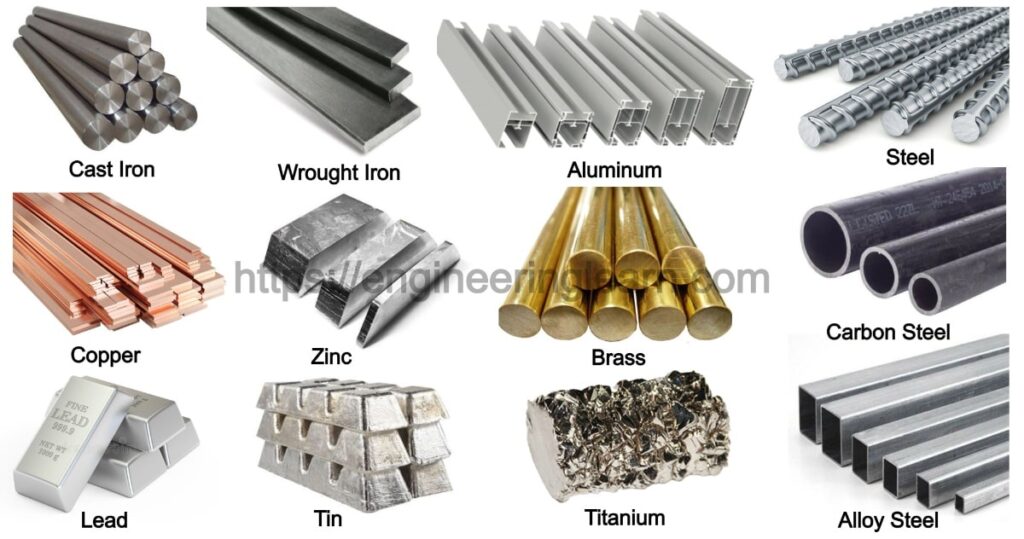
Ever look at something made of steel – maybe a spoon, a skyscraper, or even a car part – and wonder what exactly it is? It's everywhere, strong and reliable, but have you ever paused to think about what metals are actually mixed together to create this incredible material? It's not just one thing, you know! Think of it like a secret recipe for super strength, and trust me, it’s pretty cool how it all works.
So, let's pull back the curtain on steel, shall we? It's not some magic alien material, though sometimes it feels like it. At its heart, steel is pretty down-to-earth.
The Big Star: Iron!
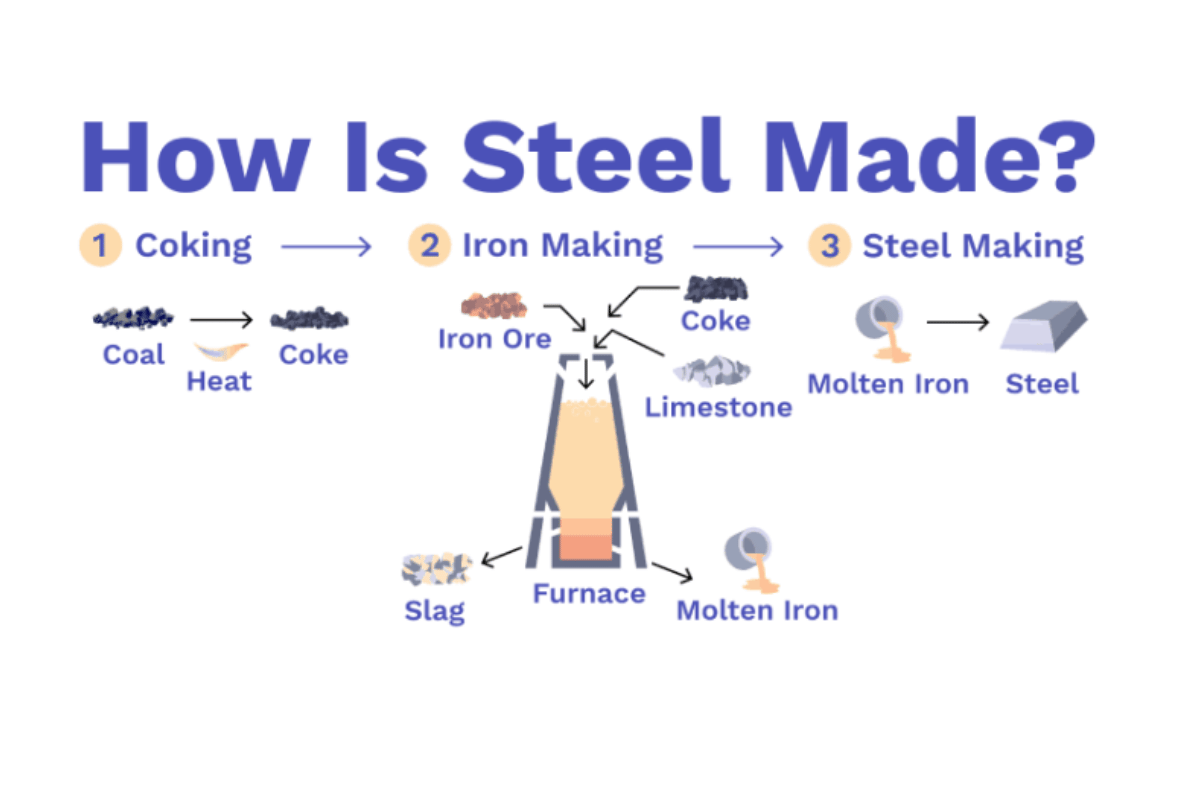
Alright, first things first: the main ingredient in pretty much every type of steel is iron. Yep, good old iron, a metal we've been using for thousands of years. Imagine iron as the sturdy, reliable backbone of steel, like the main character in a blockbuster movie. It's strong, abundant, and forms the foundational structure for everything else to build upon.
Must Read
But here’s the thing about pure iron: it's actually a bit... soft. A little too pliable for the heavy-duty jobs we ask of steel. It’s strong, sure, but imagine trying to build a bridge out of something that bends a little too easily. We need something to toughen it up, to give it that famous steel resilience.
The Secret Sauce: Carbon!
And that's where our first major "additive" comes in: carbon. Now, carbon isn't a metal itself, but it's absolutely vital. When you mix a small amount of carbon (usually less than 2%) with iron, something amazing happens. It’s like adding just the right amount of flour to a dough – it totally transforms the texture and strength. The carbon atoms wedge themselves into the iron’s crystal structure, making it much harder and stronger. Think of it like tiny, invisible rebar reinforcing the iron.
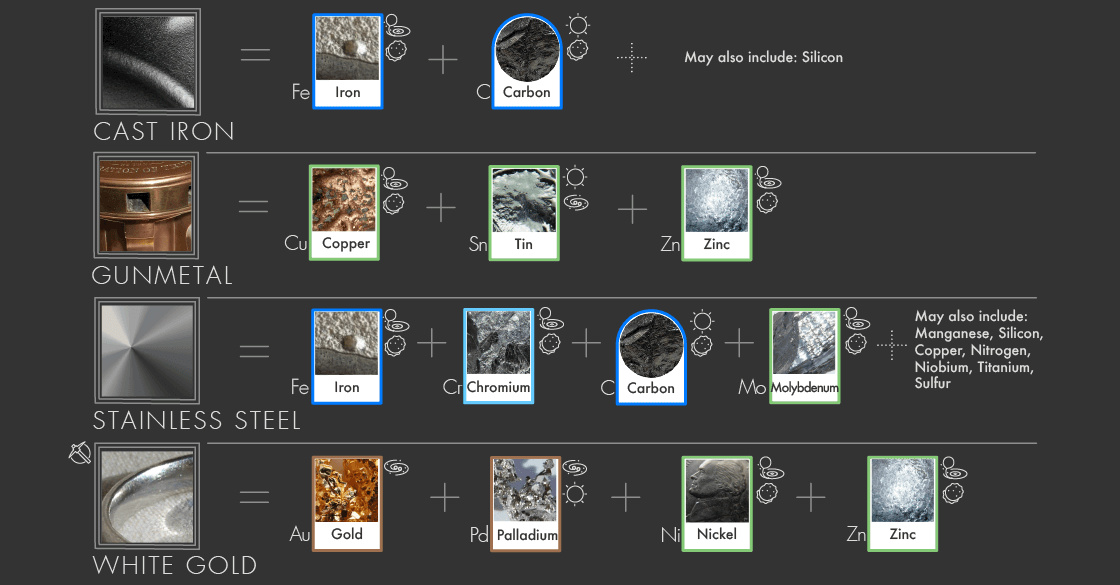
Without carbon, you just have iron. With carbon, you start to get steel. This iron-carbon combo is the most basic form of steel, and it's incredibly versatile. But the story doesn't end there! Oh no, the party is just getting started.
The Alloying Crew: Guests with Superpowers!
While iron and carbon are the core duo, most of the steels we encounter in our daily lives are actually alloy steels. This means they have other metals (and sometimes non-metals) added to them, each bringing their own unique superpower to the mix. It's like having a team of superheroes, each with a different ability, coming together to make steel incredibly specialized.
Let's meet some of these fantastic metallic guests:
Chromium: The Rust Buster!
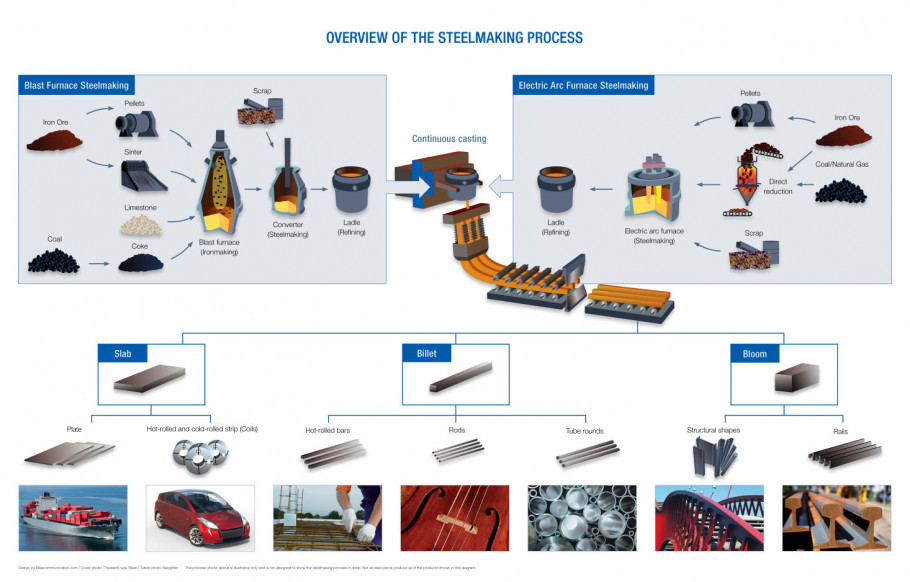
If you've ever admired a shiny, rust-free kitchen sink or a surgical instrument, you've got chromium to thank. This metal is the superstar behind stainless steel. When you add chromium (usually at least 10.5%), it forms a thin, invisible, self-healing layer on the steel's surface that prevents oxygen from reaching the iron and causing rust. It’s like giving your steel an invisible, impenetrable force field against corrosion. How cool is that?
Nickel: Toughness and Ductility!
Adding nickel to steel makes it tougher, more ductile (meaning it can be stretched or drawn into wires without breaking), and helps it resist impact. It also plays nicely with chromium to boost corrosion resistance even further, especially in extreme environments. Think of nickel as the bodyguard that makes steel robust and flexible, ready for anything.
Manganese: The Unsung Hero!
You might not hear about manganese as much, but it's an essential player. It helps deoxidize the steel during its making (getting rid of unwanted oxygen bubbles) and significantly improves its strength, hardness, and wear resistance. Manganese also makes steel easier to work with, a bit like a helpful assistant making sure everything flows smoothly during the manufacturing process.
Molybdenum & Vanadium: The Heat Warriors!
When you need steel to withstand incredible heat or maintain its strength at high temperatures, you call in molybdenum and vanadium. These metals are like the special forces for high-performance steels, making them incredibly strong, hard, and resistant to fatigue, especially when things get hot. You'll find them in things like jet engines and high-speed cutting tools.
Tungsten: The Hardest Worker!
Speaking of hard, tungsten is another incredible additive. It gives steel exceptional hardness and wear resistance, making it perfect for tools that need to stay sharp and strong, even under immense pressure. Think of it as the ultimate toughener, giving steel a diamond-like resilience.
Silicon: The Strength Multiplier!
Often added in smaller amounts, silicon acts as a deoxidizer and can significantly increase the strength and elasticity of steel. It’s like a quiet but powerful behind-the-scenes booster, making steel even more robust.
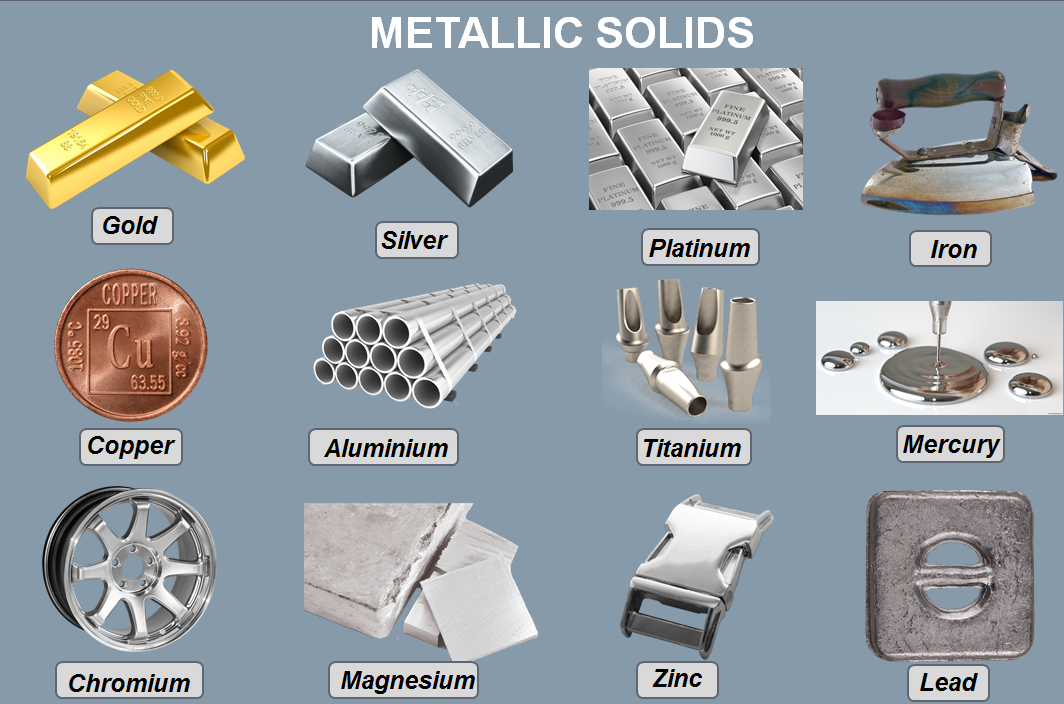
Why All the Different "Guests"?
So, why bother with all these different metals? Because every job steel does is unique! A surgical scalpel needs to be incredibly sharp and corrosion-resistant. A bridge needs to be immensely strong and resistant to fatigue. A car body needs to be strong but also able to absorb impact in a crash.
By carefully selecting and combining these alloying elements, engineers can literally custom-design steel for almost any purpose imaginable. It's a testament to human ingenuity, taking basic elements and turning them into materials with precisely tuned properties.
Isn't that just fascinating? The next time you see something made of steel, remember it’s not just "metal." It’s a sophisticated blend, a carefully crafted alloy, where each metallic guest brings its own special talent to create a material that is literally shaping our world. From the simplest kitchen utensil to the most complex machinery, steel truly is a marvel of materials science, full of hidden depths and incredible versatility.