
What Metal Is Tin Made Out Of

Okay, so picture this: You’re rummaging through your grandma’s attic, maybe you’re fixing up a leaky pipe, or perhaps you’re just staring at a can of chickpeas in your pantry. And you think, “Tin. What is tin, anyway?” Or maybe you remember those old-school ‘tin soldiers’ your uncle had. It’s a word we throw around a lot, isn't it? “Tin can,” “tin foil,” “tin roof.” But have you ever actually stopped to wonder what metal tin is… well, made out of?
Because, let’s be honest, it sounds a bit like a trick question, right? Like asking what water is made out of, besides, you know, water. But this is where it gets fun, and maybe a tiny bit ironic, because the answer is both super simple and yet constantly misunderstood.
The Big Reveal: What Is Tin?
Alright, drumroll please! Here’s the deal: Tin isn’t made out of other metals. It is a metal. Shocking, I know! It’s an element, pure and simple, right there on the periodic table with its fancy symbol, Sn (from its Latin name, stannum, if you're feeling fancy). So, when you ask what metal tin is made out of, you're essentially asking what metal metal is made out of. See what I mean about ironic?
Must Read
Think of it like oxygen. Oxygen isn't made of other gases; it's a gas itself. Same goes for tin. It’s a standalone, unique material with its own set of fascinating properties.
So, What's the Deal with "Tin Cans" and "Tin Foil"?
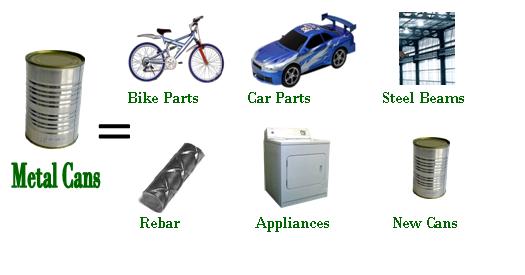
This is where the confusion usually stems from. For decades, when people said “tin can,” they were often referring to containers that were primarily steel, but coated with a very thin layer of actual tin. Why tin? Because tin is awesome at resisting corrosion and rust, and it doesn't mess with the taste of your food. So, it was like a superhero cape for steel.

These days, a lot of those “tin cans” are now coated with other materials or made from aluminum, but the name stuck. And “tin foil”? That used to be thin sheets of actual tin, but aluminum foil took over because it’s cheaper, lighter, and more flexible. So, when you're wrapping up your leftovers, you're almost certainly using aluminum, not tin. Another little bit of metal history for you!
The Real Tin: A Shiny, Malleable Marvel
When you encounter pure tin, it’s quite the looker. It’s a silvery-white, soft metal that’s incredibly malleable – meaning you can hammer it into super thin sheets without it breaking – and ductile, so you can pull it into wires. It's also known for something called “tin cry” – a faint crackling sound it makes when bent, due to the friction of its crystals. Pretty cool, right?

But beyond its good looks and cool sounds, tin is incredibly useful. It has a relatively low melting point, which makes it easy to work with, and it plays well with other metals.
Where Tin Really Shines: In Awesome Mixtures (Alloys!)
While tin isn't made out of other metals, it absolutely loves to team up with them to create some truly indispensable alloys. And this is where tin's real versatility comes into play:
- Bronze: This is probably the OG alloy, historically speaking. A mix of copper and tin, bronze was a game-changer for ancient civilizations, making stronger tools, weapons, and sculptures. You know, the whole Bronze Age? That was all thanks to tin!
- Solder: If you've ever fixed electronics or seen a plumber at work, you've seen solder. It's typically an alloy of tin and lead (though lead-free solders using tin with other metals like silver or copper are common now), used to join metals together because of its low melting point.
- Pewter: This is an alloy that's mostly tin (usually 85-99%), mixed with small amounts of copper, antimony, or bismuth. It's beautiful for decorative items, tableware, and even jewelry because it's relatively soft, easy to cast, and has a lovely luster.
So, you see? Tin is like that versatile friend who’s great on their own but also makes every group project better. It brings its unique properties to the table, enhancing the strength, durability, and workability of other metals.
The Takeaway?
Next time you hear someone mention “tin,” you can nod sagely and know the real scoop. Tin is not made out of other metals; it is a metal itself. An element, a building block, a fantastic partner in alloys, and a historical cornerstone of human civilization. Pretty neat for a word we often use to describe something entirely different, don't you think? Now you're in on the secret!
