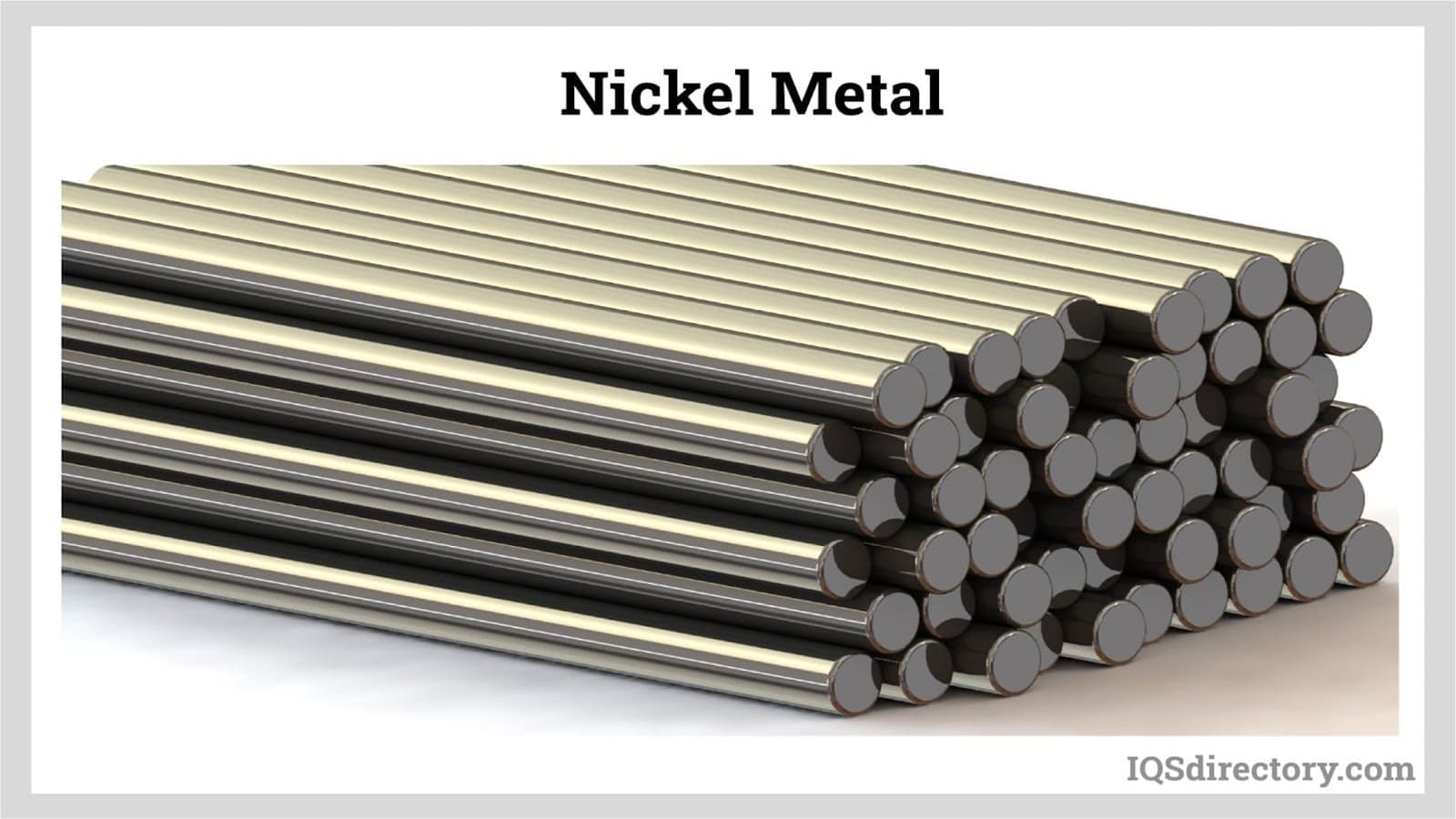
What Metal Are Nickels Made Of

Ever paused to really look at the change jingling in your pocket or purse? We often toss coins into a jar or swipe a card without a second thought. But take a moment for that humble, slightly larger-than-a-dime coin, the one we affectionately call a nickel. It’s got a cool history, a specific purpose, and a composition that might surprise you. So, let’s peel back the layers and discover what metal those handy little five-cent pieces are actually made of!
The Not-So-Secret Recipe of Your Nickel
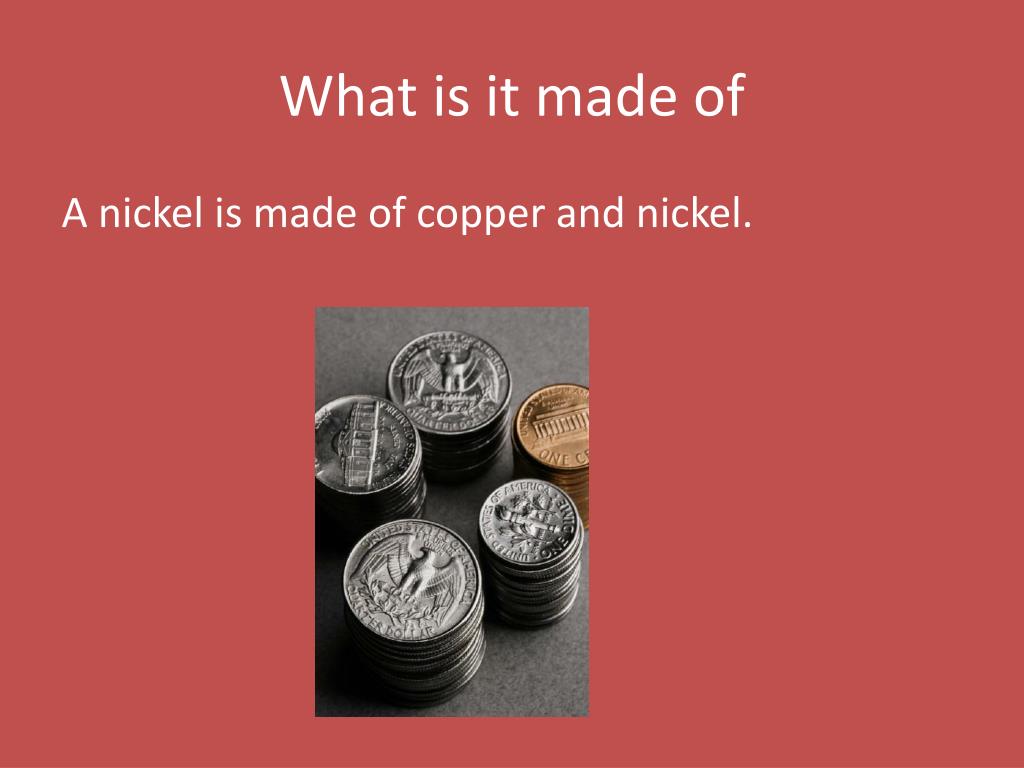
Here’s the big reveal: despite its name, a U.S. nickel isn't made purely of nickel. If it were, it would be much heavier and more expensive to produce! In reality, it's a clever blend, an alloy designed for durability and cost-effectiveness. The typical American nickel, since 1866 (with a few wartime exceptions), has been made of a mix that's 75% copper and 25% nickel. That's right, mostly copper!
Think of it like a delicious, well-balanced cocktail, but for currency. This particular blend gives the coin its distinctive silver-like sheen and robust nature, making it perfect for everyday use.
Must Read
Why This Dynamic Duo?
You might wonder, why this specific combination? The choice of copper-nickel alloy is quite ingenious. Copper provides excellent conductivity and malleability, while nickel brings its strength, resistance to corrosion, and that appealing silvery luster.
This mix makes the coins incredibly durable, able to withstand years of circulation without significant wear and tear. Imagine how many hands a single nickel passes through in its lifetime! Plus, it helped curb counterfeiting back in the day, as pure silver coins were becoming too expensive to produce and easy targets for replication.

Fun Facts & Metallic Musings
It’s fascinating to think about how a coin gets its name, even if it’s a bit of a misnomer. The term "nickel" stuck because it was the first U.S. coin to contain the metal nickel prominently. Before 1866, what we call a five-cent piece was actually a smaller, silver coin called a "half dime." The introduction of the copper-nickel "Shield Nickel" was a game-changer, literally solidifying nickel's place in our pockets.
Did you know that nickel itself is a pretty cool element? It’s a silvery-white, hard, and ductile metal. It’s resistant to corrosion and often used in stainless steel, magnets, and even rechargeable batteries. So, while your coin is mostly copper, the nickel content is what gives it its unique character and durability.
For a brief period during World War II (1942-1945), due to nickel being a critical war material, U.S. nickels were temporarily made from an alloy of 56% copper, 35% silver, and 9% manganese. These "war nickels" are slightly darker and can be identified by a large mint mark (P, D, or S) above the dome of Monticello on the reverse. A neat little piece of history you can still find in circulation!
Practical Tips for the Everyday Explorer
So, why should you care about your nickel's metallic makeup? Well, for starters, it gives you a fun fact to share at your next coffee break! But more practically, understanding coin composition can help you appreciate their value and history.
- Spot a "War Nickel": Keep an eye out for those distinct mint marks on the reverse of nickels from the WWII era. They're a cool collectible!
- Cleaning Coins: While it might be tempting to clean old coins, especially if you find a particularly dirty one, most experts advise against it for collector’s items, as it can decrease their value. For regular circulation coins, a gentle soap and water rinse won't hurt, but vigorous scrubbing isn't necessary.
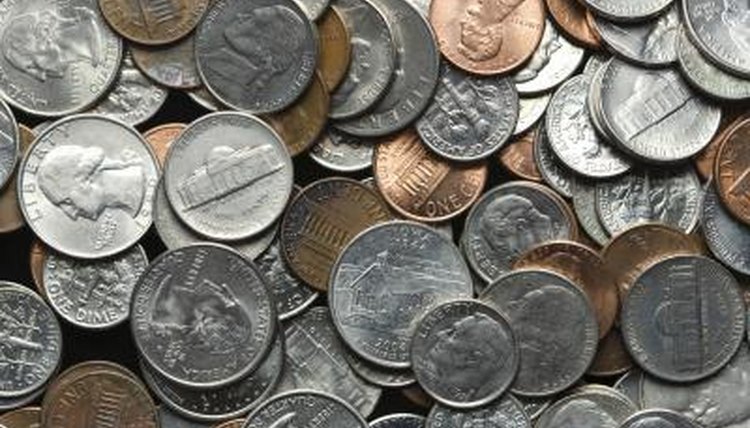
- Know Your Metals: Different coins have different compositions. Dimes and quarters, for instance, are primarily copper with an outer layer of copper-nickel alloy, making them look similar to nickels but feel lighter due to their thinner profile. Pennies, of course, are mostly zinc these days, with a thin copper plating.
The Little Coin, The Big Picture
It’s easy to overlook the mundane, isn’t it? But taking a moment to understand something as simple as the metal composition of a nickel reveals a fascinating story of engineering, history, and economics. Every coin that passes through our hands is a tiny testament to thoughtful design, created to withstand the rigors of daily life.
Next time you receive a nickel, take a glance. It’s not just five cents; it’s a miniature piece of American ingenuity, a blend of copper and nickel that has served us faithfully for generations. It reminds us that even the smallest, most common objects often hold hidden depths and fascinating tales, if we only take a moment to look a little closer.