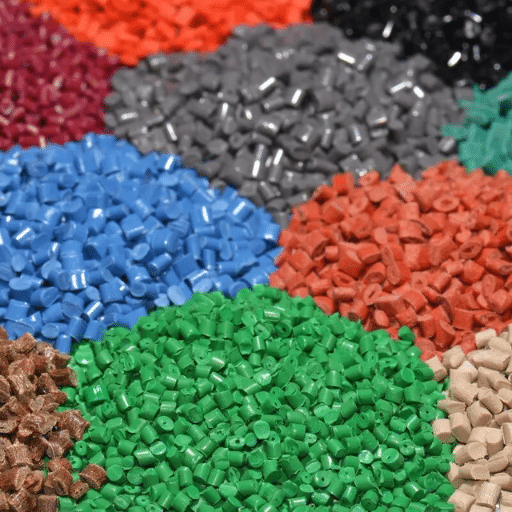
What Material Is Acrylonitrile Butadiene Styrene

Ever picked up a LEGO brick, a phone case, or maybe even a car bumper and thought, "Hmm, what exactly is this made of?" Chances are, you might have encountered Acrylonitrile Butadiene Styrene, or as the cool kids call it, ABS. But what is ABS? Let's dive in, shall we?
The Secret Sauce: Three Ingredients, One Amazing Result
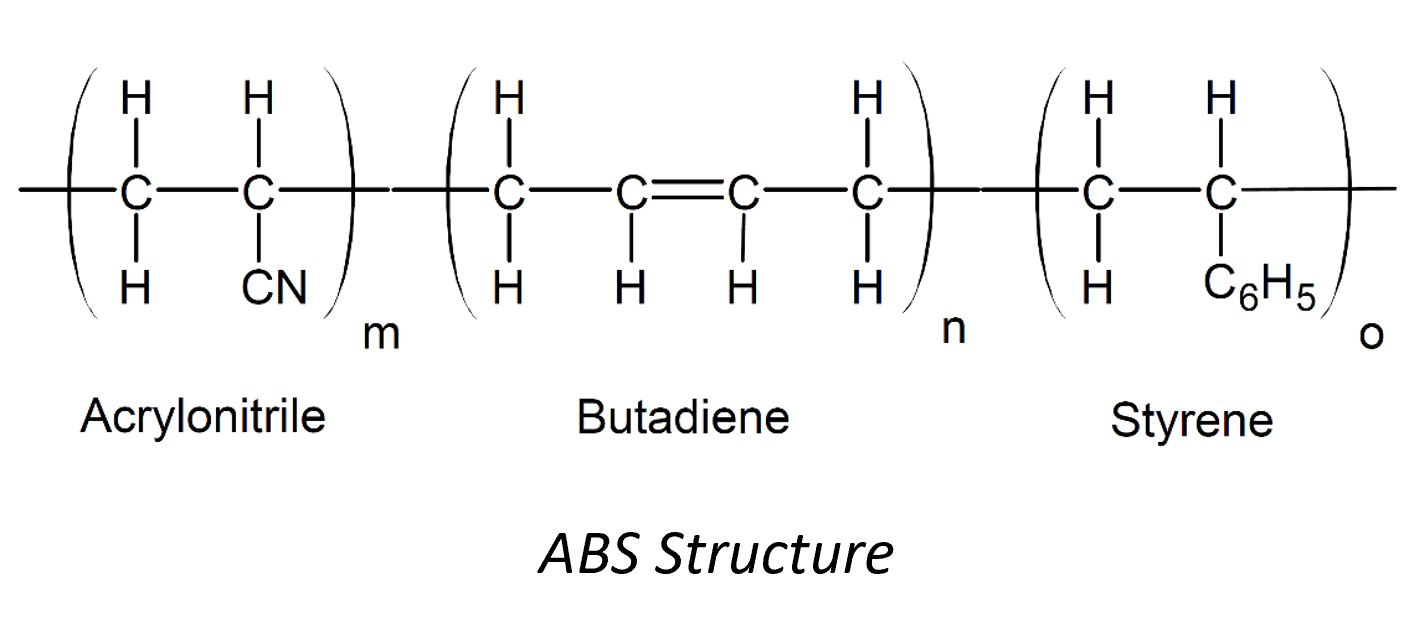
Imagine you're baking a cake, but instead of flour, sugar, and eggs, you're using three different plastics: Acrylonitrile, Butadiene, and Styrene. Sounds weird, right? But that's essentially what ABS is! It's a terpolymer, meaning it's made by combining three different monomers (those little building blocks of polymers) together. Each ingredient brings something special to the party:
- Acrylonitrile: This bad boy gives ABS its chemical resistance and heat stability. Think of it as the structural engineer of the group, making sure the whole thing doesn't fall apart.
- Butadiene: This is the elastic superstar, providing impact strength and toughness. Basically, it's the spring in the material, allowing it to absorb shocks without breaking.
- Styrene: This is the shiny one, giving ABS its rigidity and processability. It's what makes the plastic easy to mold and gives it that smooth, glossy finish.
So, you've got chemical resistance, impact strength, and rigidity all rolled into one. That's a pretty impressive plastic cocktail, wouldn't you say?
Must Read
Why Is ABS So Popular? Think Versatility!
So, why is this plastic blend so ubiquitous? Well, its versatility is a big reason! It's like the Swiss Army knife of plastics. It can be molded into just about anything, from small toys to large automotive parts. Its properties make it a great option for products that need to be both durable and visually appealing.
Think about it: LEGO bricks! Those little plastic squares can withstand a lot of abuse from kids (and adults!) stepping on them. That's thanks to the Butadiene in the ABS giving it excellent impact resistance. Plus, they come in a rainbow of colors and maintain their shape, thanks to the Styrene and Acrylonitrile doing their jobs.

But it doesn't stop there. ABS is used in:
- Automotive parts: Dashboards, bumpers, and wheel covers
- Appliances: Refrigerator liners, vacuum cleaner bodies
- Electronics: Computer housings, phone cases
- Pipes and fittings: For plumbing and drainage systems
See? It's everywhere! You're practically surrounded by ABS right now. Look around!

ABS vs. the Competition: Why Choose It?
Of course, ABS isn't the only plastic out there. So, what makes it stand out from the crowd? Well, compared to some other plastics, it offers a good balance of properties at a relatively low cost. It's not as strong as some engineering plastics like polycarbonate, but it's much more affordable. And it's tougher than polystyrene, which tends to be brittle.
Think of it this way: Polycarbonate is like the superhero of plastics, incredibly strong and durable, but also expensive. Polystyrene is like a delicate flower, beautiful but easily broken. ABS is the reliable workhorse, strong enough for most jobs and easy on the wallet.
A Few Things to Keep in Mind...
While ABS is pretty awesome, it's not perfect. It's not as resistant to sunlight as some other plastics, so it can fade or become brittle over time if exposed to prolonged UV radiation. Also, it's not as heat-resistant as some engineering plastics, so it's not suitable for high-temperature applications.
And of course, like all plastics, recycling ABS is important. Look for recycling symbols on products and make sure to dispose of them properly so they can be turned into new and useful things. We've got to be responsible with our plastic friends!
The Bottom Line: ABS is a Cool Composite
So, there you have it! Acrylonitrile Butadiene Styrene – a versatile, durable, and affordable plastic that's all around us. From LEGO bricks to car parts, ABS is a key ingredient in countless products. Next time you pick something up made of plastic, take a closer look. You might just be holding a piece of ABS history! Isn't it amazing how three seemingly simple ingredients can come together to create something so useful and…dare I say…cool?