
What Makes Your Light Bill High
Ever ripped open your electricity bill and gasped?
It’s a common moment of surprise, sometimes even a little shock.
We all wonder, "What on earth made it so high this time?"
Must Read
The Big Energy Hogs
Let's start with the usual suspects, the real heavy lifters on your bill.
These are the devices that consume a lot of energy, often without us realizing how much.
They work hard to keep our homes comfy and our lives convenient.
Climate Control: Your Home's Thermostat Wars
Your heating and cooling system is often the biggest energy guzzler in your home.
Whether it’s the furnace blasting heat or the AC humming away, these machines use a lot of power.
Think of them as running a small, continuous factory just to keep your indoor temperature perfect.
Setting your thermostat to extreme temperatures makes your system work much harder.
A super cold house in summer or a tropical paradise in winter costs a pretty penny.
Every single degree really does add up on your monthly statement.
Poor insulation can also be a significant, hidden culprit.
If heat or cool air leaks out, your system runs longer and more frequently to compensate.
It's like trying to fill a bucket with holes at the bottom—a lot of wasted effort.
Hot Water: The Unsung Hero of Daily Life
After climate control, heating water is usually the next biggest energy user.
Think about all the glorious hot showers, relaxing baths, and dishwashing you do.
Your water heater is constantly working to keep that water wonderfully toasty.
Long, steamy showers feel amazing, but they are expensive pleasures in terms of energy.
Washing clothes in hot water also demands a lot of energy from your heater.
It's a necessary luxury, but one that definitely comes with a price tag.
The Kitchen Powerhouses
Your refrigerator and freezer run 24/7, tirelessly keeping your food fresh and safe.
Older models can be quite inefficient, consuming much more electricity than newer ones.
Opening the door frequently also makes them work harder to maintain their cool temperature.
Ovens and stovetops use a lot of power when you're cooking up delicious meals.
Imagine heating a whole metal box to hundreds of degrees, and you get the idea of the energy involved.
Even small cooking tasks can add up significantly if you love to cook often.
Dishwashers and washing machines also draw substantial power, especially during their cycles.
Those cycles that use heated water or heated drying are particularly energy-intensive.
These modern conveniences provide great ease, but they each come with their own energy footprint.
The Sneaky Energy Vampires
Not all energy use is obvious; some devices are much more subtle in their consumption.
These are often called "phantom loads" or the infamous "vampire drain".
They suck power even when they seem to be off, just by being plugged into an outlet.
.jpg)
Electronics in Standby
That little blinking light on your TV, the charger plugged into the wall without a phone attached.
Many electronics consume a small, continuous amount of electricity in standby mode.
They're patiently waiting for you to press a button, always ready to spring to life at a moment's notice.
Gaming consoles, computers, and smart devices are particularly big culprits here.
They draw power to maintain network connections, download updates, or simply stay ready.
It's a constant, low-level drain that, surprisingly, adds up significantly over a month.
"Every watt counts when it’s always on."
This continuous, silent drain can contribute a surprisingly good chunk to your bill.
It's energy you're paying for without actively getting any use out of the device.
Your Habits Matter
How you use your home's energy is just as important as the devices themselves.
Our daily routines and choices directly impact that final, daunting bill number.
It's not just what you use, but equally important, how and when you use it.
Leaving Lights On
While lighting isn't the biggest energy hog anymore, thanks to efficient LEDs, it still adds up.
Leaving lights on in empty rooms is essentially pure, wasted electricity.
It's an easy habit to change that can make a small but noticeable difference on your bill.
Old incandescent bulbs are especially inefficient, turning most of their energy into heat, not light.
Switching to modern, energy-efficient bulbs like LEDs can drastically cut lighting costs.
They last much longer and use far less power for the same amount of beautiful light.
Longer Usage Times
The longer you run an appliance, the more electricity it inevitably consumes.
This simple rule applies to everything from your hair dryer to your entire heating system.
Being mindful of how long devices are actively running can save a good deal of energy.
Leaving the TV on for background noise when no one is actually watching is a common example.
Running your dryer for multiple short cycles instead of one full, efficient load is another.
Every extra minute translates directly into more kilowatt-hours used and more money spent.
External Factors and Smart Solutions
Sometimes, things completely outside our direct control can influence the electricity bill too.
But even then, there are often smart ways to adapt and still manage to save.
Being aware of these external factors empowers you to make smarter, more effective choices.
Extreme Weather
A super hot summer or a particularly frigid winter will naturally drive up energy use.
Your heating or cooling system has to work overtime, often heroically, to maintain comfort.
These are the times when bills often peak, and it’s not always your fault for high usage.
Time-of-Use Rates
Some utility companies charge different rates depending on the specific time of day.
Electricity used during "peak hours" (when everyone else is also using it) often costs more.

Running major appliances during "off-peak hours" can lead to significant, surprising savings.
What You Can Do About It
Start by diligently checking your home's insulation and weather stripping around doors and windows.
Seal those sneaky drafts; it's like putting a warm, protective coat on your entire house.
Consider investing in a smart thermostat to automate temperature settings and learn your habits.
Make a habit of unplugging those pesky vampire devices or using smart power strips.
These strips can intelligently cut power to electronics when they're not in use, truly turning them off.
It's a simple, yet remarkably effective way to stop the sneaky, constant energy drain.
Switch to LED lighting throughout your entire home if you haven't already made the change.
Upgrade old, inefficient appliances to energy-star rated models when it becomes possible for you.
They might cost a bit more upfront, but they save a whole lot in the long run.
And finally, get really curious about your own personal energy usage patterns.
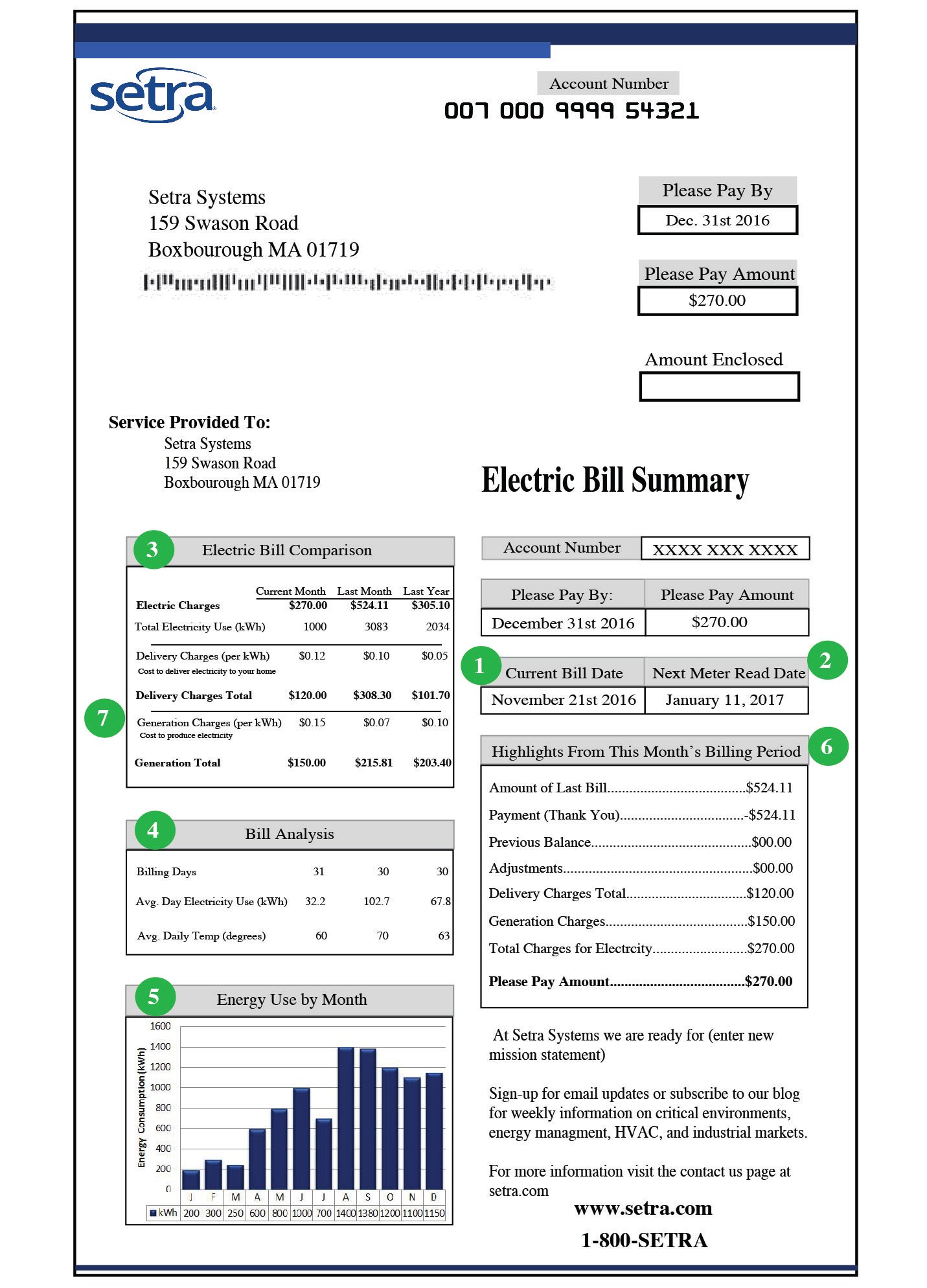
Many utility companies offer excellent online tools to track your electricity consumption in detail.
Knowing precisely when and where you use power is truly the first powerful step to saving money.
Your light bill doesn't have to be a recurring mystery or a constant source of dread.
With a little awareness and a few simple, actionable changes, you can definitely take control.
Start exploring your home's unique energy story today and watch those savings grow!