What Makes Oil In The Ground
Ever gazed at a sleek plastic toy, driven in a car, or even just enjoyed the comfort of modern life, and wondered about the incredible journey of the material that makes it all possible? We’re talking about oil, that mysterious, black gold tucked deep within our Earth. While it might not seem like an obvious candidate for an "artistic" endeavor, understanding what makes oil in the ground is akin to unraveling one of nature's most epic, slow-motion creative processes. It’s a tale of transformation, deep time, and extraordinary geological artistry that’s utterly captivating!
For the curious hobbyist, the armchair geologist, or anyone with a thirst for understanding the world around them, diving into the origins of oil offers a trove of benefits. It’s a chance to connect with Earth's history on a truly profound scale, tracing back millions of years to ancient life forms. Learning about this process demystifies a critical resource, turning what might seem like a simple commodity into a fascinating story of planetary chemistry and immense pressure. It sparks wonder about the intricate systems beneath our feet and cultivates an appreciation for the sheer power and patience of geological forces. You become a detective, piecing together clues from vanished oceans and forgotten forests.
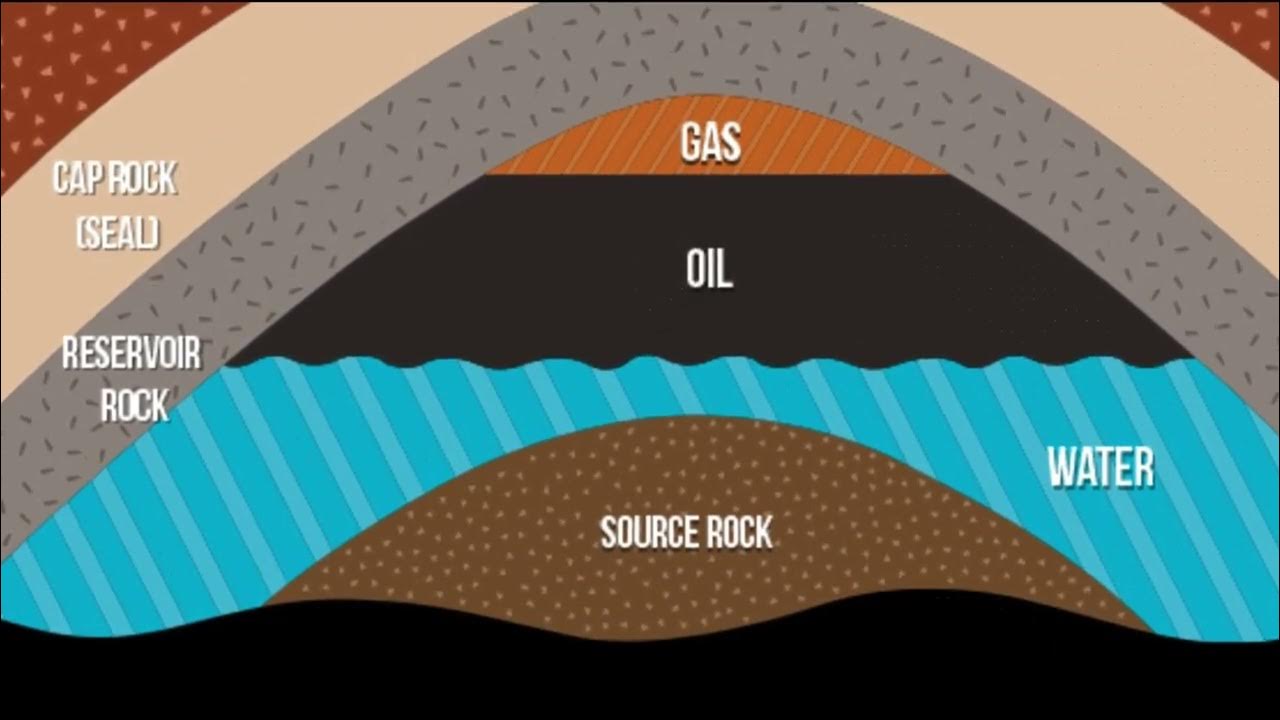
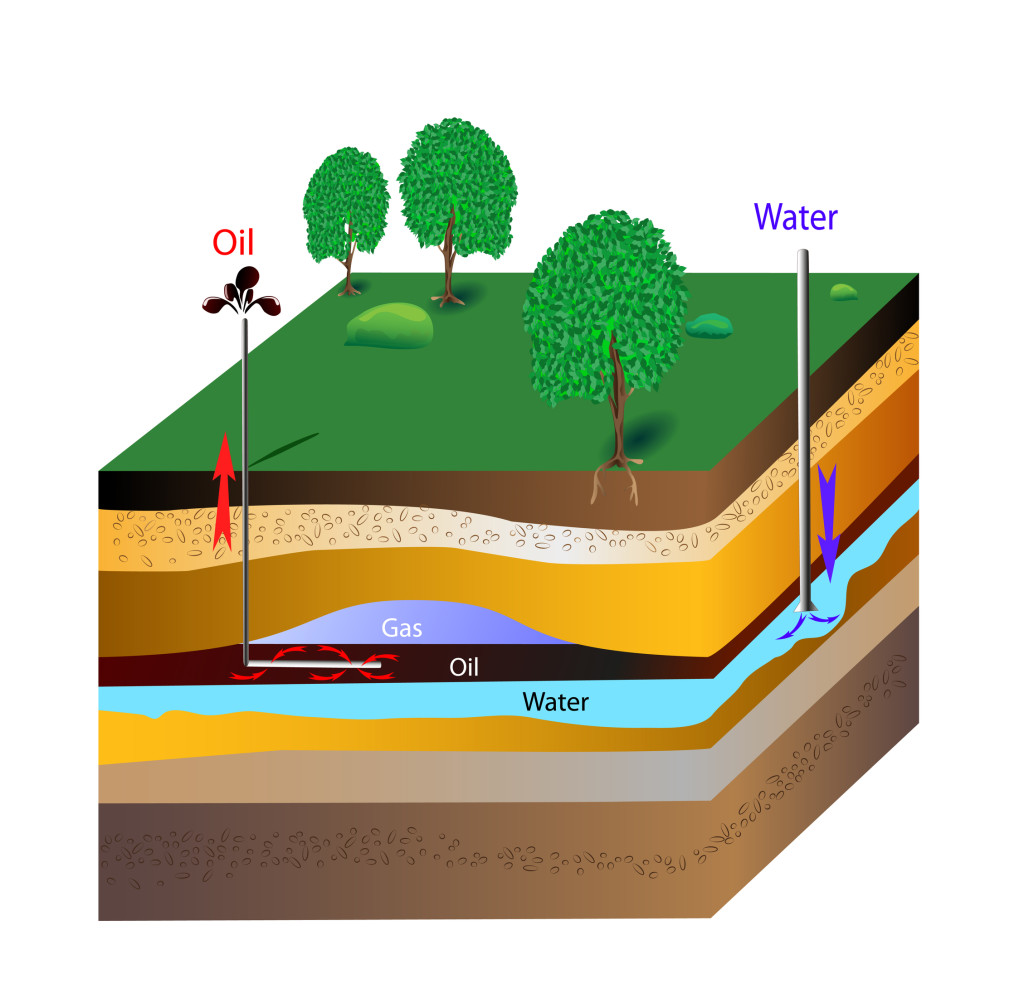
So, what exactly are the "ingredients" and "styles" of this subterranean masterpiece? The primary ingredient is organic matter – think ancient plankton, algae, and other microscopic marine organisms, along with plant material from bygone swamps. When these organisms died, they settled to the bottom of ancient seas or lakes, escaping decomposition by being quickly buried under layers of sediment. Over millions of years, these layers accumulated, subjecting the organic-rich sediment (now called source rock) to increasing heat and pressure. This immense geological force literally "cooks" the organic matter. The "style" or "variation" depends on the exact temperature and pressure; too little, and you get natural gas; just right, and you get crude oil – a complex mix of hydrocarbons; too much, and it degrades into graphite. Different environments yield different types of oil, each with unique properties, like the varying viscosities and chemical compositions that make each crude oil type a geological fingerprint.
Must Read
Now, you can't exactly "make" oil in your backyard (thank goodness, it takes millions of years!). But you can certainly "try it at home" in spirit! For a visual analogy, you could start a simple compost pile, observing how organic material breaks down and transforms under certain conditions, albeit without the millions of years of heat and pressure. Another fantastic way to engage is to explore local museums or science centers that often have geological exhibits, showcasing different rock types and explaining the processes. For a hands-on chemical transformation that’s safe and educational, you might research how to make biodiesel from used cooking oil at home. While it's a modern, renewable fuel, the process helps illustrate how complex organic compounds can be altered and refined, giving you a taste of the chemical magic at play deep underground. Read a fascinating book on Earth’s energy history, or watch a documentary that takes you on a visual journey through geological time!
Ultimately, understanding what makes oil in the ground is an immensely enjoyable pursuit because it connects us to the extraordinary history of our planet and the miraculous processes that continually shape it. It's a humbling reminder of the vastness of time and the delicate balance of conditions required to create such a vital resource. There's a true sense of wonder in appreciating that the fuel powering today's innovations began as ancient sunlight captured by microscopic life, buried for eons, and transformed by Earth itself. It's truly one of nature's most patient and powerful works of art!