
What Is Water Power Used For
Ever gazed at a mighty river or a sparkling stream and thought, "Wow, that's just... water!" Well, prepare to have your mind gently blown, because that seemingly ordinary liquid is secretly one of Earth's greatest unsung heroes. Water isn't just for quenching thirst or splashing around; it's a super-worker, a tireless energy source that has been powering our world for centuries!
Imagine harnessing the sheer muscle of a flowing river. It's like having an invisible giant on your payroll, constantly pushing, turning, and creating without ever needing a coffee break. From grand-scale energy production to charming historical tasks, water power is truly spectacular.
The Big Splash: Generating Electricity!
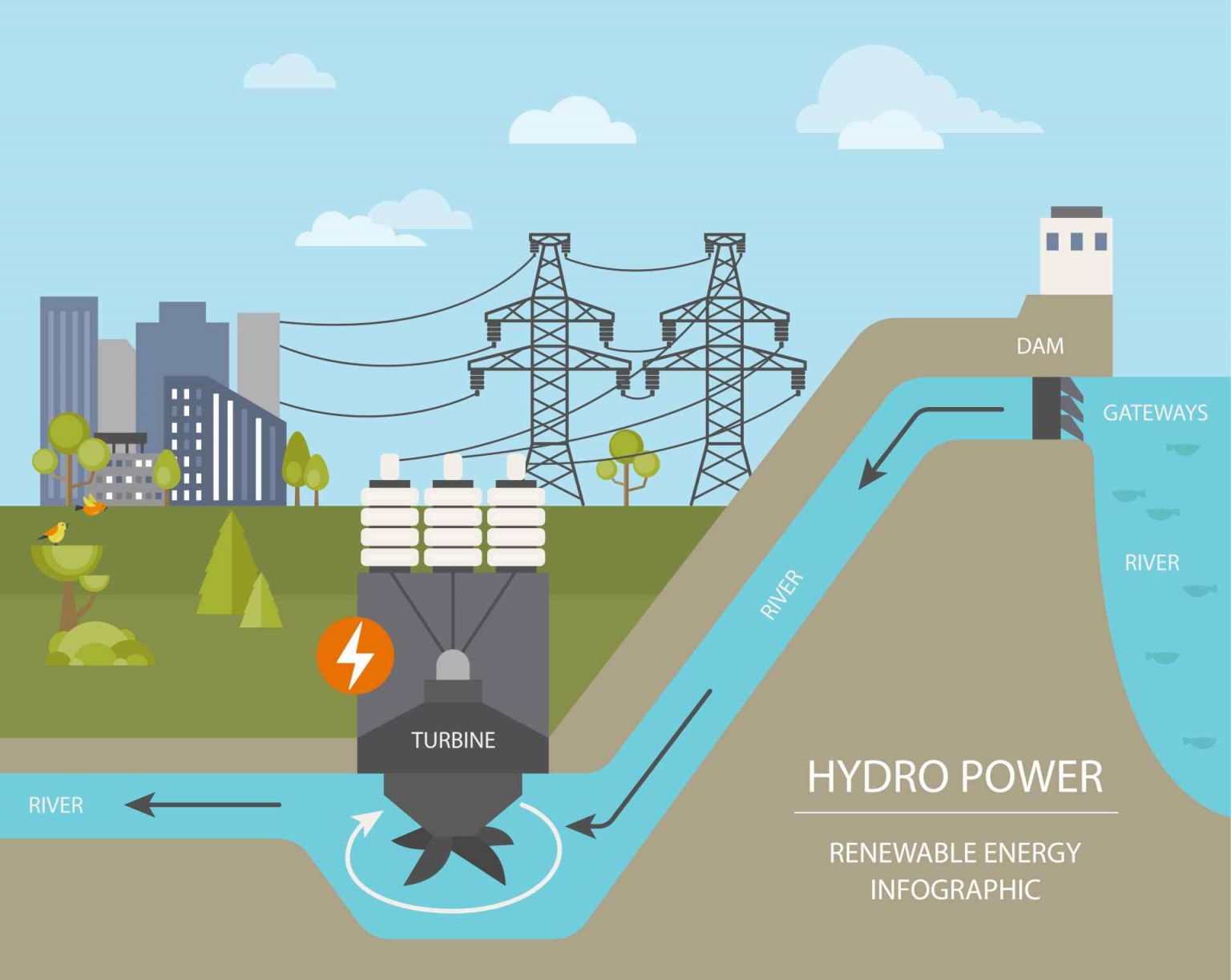
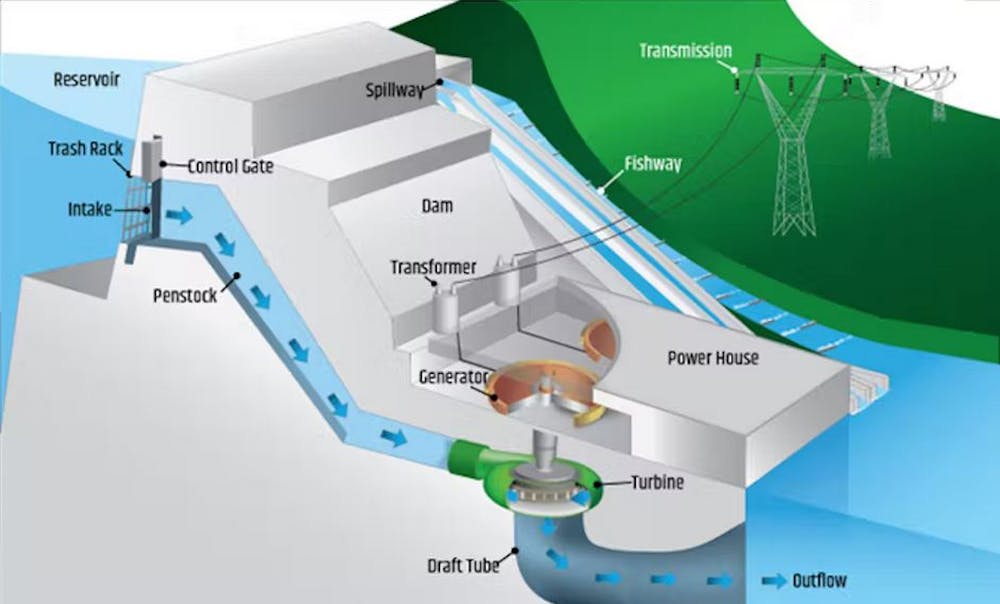
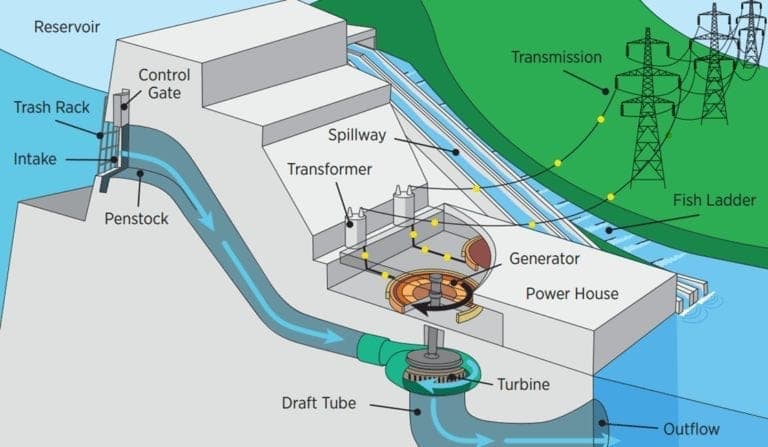
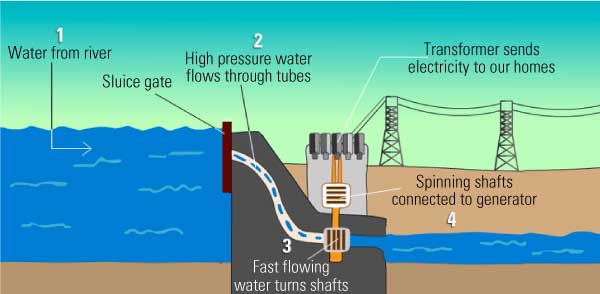
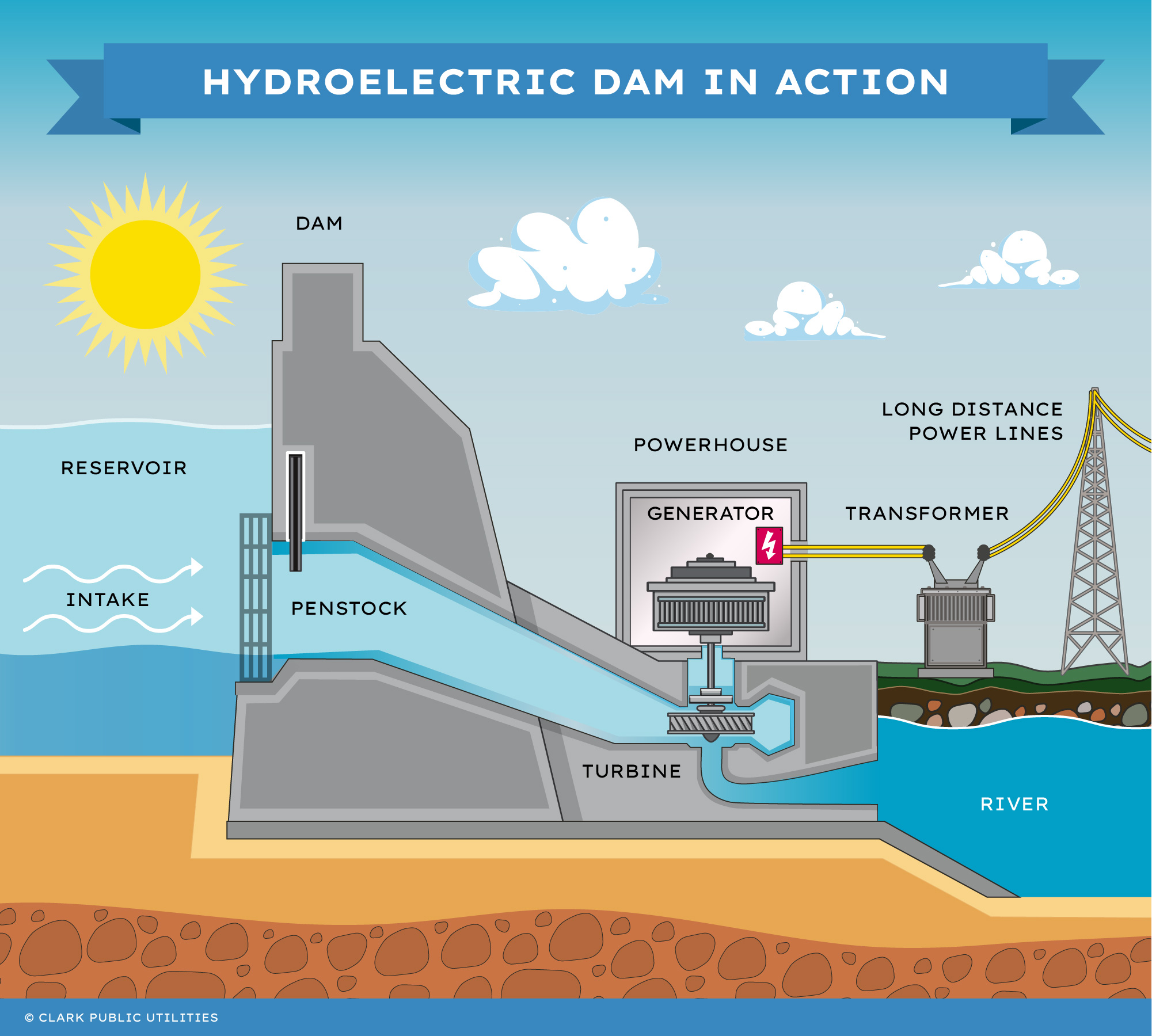
When most people think of water power today, their minds probably leap straight to hydroelectricity. This is where colossal dams hold back vast reservoirs of water, creating immense pressure. Then, when released, that water rushes down, spinning giant turbines like a kid's pinwheel on steroids.
Must Read
These spinning turbines are connected to generators, which magically transform that kinetic energy into the electricity that lights up our cities, powers our homes, and charges all our beloved gadgets. It's like a massive, natural battery charger for an entire nation! Think of mighty rivers like the Columbia River or the Yangtze, doing heavy lifting for millions.
Without water power, many of our modern conveniences simply wouldn't exist as we know them. It's the silent force behind your morning coffee maker, your late-night Netflix binge, and even the traffic lights guiding you home. It’s a clean, reliable powerhouse, making it one of the most important sources of renewable energy on the planet.
"Water is the driving force of all nature." - Leonardo da Vinci (He knew what he was talking about!)
From Grain to Glory: Water's Ancient Jobs
Long before we dreamed of electric lights, water was already a bustling powerhouse, making life easier in countless ways. Imagine a world without electricity, where every task required serious elbow grease. Enter the humble but mighty water wheel!
One of water's earliest and most vital jobs was at the local grain mill. Farmers would bring their harvested crops, and the flowing water would turn massive grinding stones, transforming wheat into flour. This meant fresh bread, delicious cakes, and full bellies for entire communities. It was the original food processor, powered by a river!
But water's talents didn't stop at baking. It also powered sawmills, making quick work of felling trees into planks for building houses, furniture, and ships. Instead of back-breaking manual labor, a river could effortlessly slice through logs, creating the building blocks of civilizations. It truly sped up progress!
And let's not forget the textile industry! Early factories, especially those producing cloth, relied heavily on water wheels to power looms and spinning machines. This allowed for mass production of textiles, making clothes more accessible and comfortable for everyone. Water was literally weaving the fabric of society!
These historical uses show just how ingeniously people have harnessed nature's power for centuries. Water was the original industrial engine, the silent partner in countless innovations that shaped human history. It laid the groundwork for the modern world we live in today.
Tiny Taps, Big Impact: Modern Mini-Miracles
While mega-dams get all the headlines, water power isn't just for colossal projects. Smaller, more localized uses of water power are still making a big difference, especially in remote areas or for specific needs. Think of it as water power's agile, clever cousin!
For homes off the main electricity grid, a small stream can be transformed into a personal power plant through mini-hydro systems. These compact setups can generate enough electricity to light a cabin, run appliances, and charge devices, all with the gentle gurgle of a nearby brook. It's independence, powered by nature!
Water also helps us move water! Simple water-powered pumps, often using clever designs like a ram pump, can lift water uphill without needing any electricity or fuel. This is incredibly useful for irrigating gardens, providing drinking water to remote villages, or even supplying a livestock trough. It’s water helping water, in the most ingenious way!
Even things like decorative water features in parks or gardens, while not generating power, still showcase the mesmerizing energy and movement of water. They remind us of the constant, unyielding force that water possesses, a force that can be directed and put to work for us in countless practical ways.
Why Water Power Makes Us Cheer!
Beyond its incredible versatility, water power brings a lot of smiles because it's genuinely good for our planet. Unlike burning fossil fuels, hydropower doesn't release harmful greenhouse gases into the atmosphere. This means cleaner air for everyone to breathe and a healthier planet for future generations. It’s like a superhero without the carbon footprint!
And the best part? Water is a renewable resource. The sun's energy evaporates water, forming clouds, which then rain or snow, refilling our rivers and reservoirs in a never-ending, beautiful cycle. As long as the sun shines and the rain falls, water will continue to be a source of clean, reliable energy. It's nature's perfect energy loop!
So, the next time you see a river flowing by, give it a silent nod of appreciation. That beautiful, sparkling water isn't just scenery; it's a hardworking, powerful friend, constantly on duty, making our lives better, brighter, and more sustainable. Water power truly is one of humanity's most ingenious partnerships with nature!