
What Is Total Harmonic Distortion In Generators

For many of us, the satisfying hum of a generator is the sound of freedom. Whether it's powering a weekend camping trip, keeping the lights on during a storm, or providing electricity on a remote job site, generators are indispensable tools. They offer a sense of self-reliance and ensure that life can continue uninterrupted, even when the grid goes down. They are the unsung heroes that keep our refrigerators humming, our tools spinning, and our devices charging.
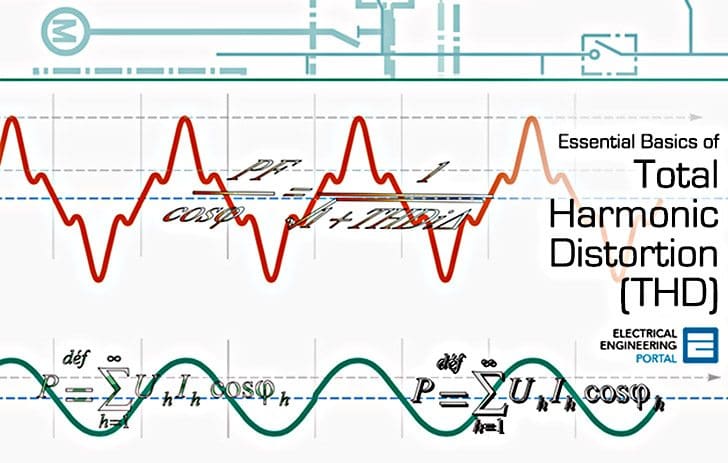
The beauty of a generator lies in its ability to convert mechanical energy into electrical energy. However, the electricity it produces isn't always perfect. That's where the concept of Total Harmonic Distortion (THD) comes in. THD is a measurement of the unwanted "noise" or distortions in the electrical waveform. Think of it like a perfectly tuned guitar string versus one that's slightly off-key. The pure tone of the guitar string is the clean power we want, and the off-key sound is the harmonic distortion.
Why should we care about THD? Well, high levels of THD can wreak havoc on sensitive electronic equipment. Imagine trying to run a sophisticated computer system or a delicate medical device on electricity riddled with distortion. The result could be anything from reduced performance and overheating to outright failure. By minimizing THD, we protect our valuable electronics and ensure they operate efficiently and reliably. This is incredibly important in places like hospitals, data centers, and anywhere critical equipment relies on clean power.
Must Read
You'll often find generators with low THD ratings advertised for use with sensitive electronics. In your everyday life, a low-THD generator might be powering your home entertainment system, ensuring crisp audio and vibrant video without interference. It could also be essential for operating specialized tools in a workshop, preventing malfunctions and ensuring accurate results. In essence, it contributes to a smoother, more reliable experience with any electronic device.
So, how can you enjoy your generator more effectively and minimize the potential problems caused by THD? Here are a few practical tips:
- Choose the right generator: If you plan to power sensitive electronics, opt for a generator specifically designed with low THD. Inverter generators are generally known for producing cleaner power.
- Proper grounding: Ensure your generator is properly grounded. This helps to stabilize the voltage and reduce the risk of electrical noise.
- Regular maintenance: Keep your generator well-maintained according to the manufacturer's instructions. A well-tuned engine produces cleaner power.
- Use a surge protector: Even with a low-THD generator, a surge protector can provide an extra layer of protection against voltage spikes and fluctuations.
- Avoid overloading: Don't overload your generator. Overloading can increase THD and potentially damage both the generator and the connected equipment. Always check the power requirements of your devices before plugging them in.
By understanding THD and taking these simple precautions, you can ensure that your generator provides clean, reliable power for years to come. So, embrace the freedom and convenience that generators offer, knowing that you're equipped to protect your valuable electronics and enjoy a smoother, more efficient experience. It’s about harnessing power responsibly and ensuring that the hum of your generator is a harmonious sound, not a dissonant chord.


