What Is The Wind Speed Right Now
Ever paused for a moment outdoors and felt that gentle caress, or perhaps a boisterous push, from an invisible force? That’s the wind, of course! It rustles the leaves, carries the scent of fresh rain, and sometimes even threatens to whisk your hat away. But have you ever stopped to wonder, what is the wind speed right now, in this very moment, exactly where you are standing?
It’s a deceptively simple question that opens up a fascinating world of observation and understanding. Knowing the wind speed isn't just for meteorologists or extreme sports enthusiasts; it’s a tiny, powerful piece of information that can subtly influence our daily lives. Its primary purpose, beyond satisfying our inherent curiosity, is to provide a clearer picture of our immediate environment. The benefits are numerous: it helps us make better decisions about our activities, our clothing, and even our safety. It’s about being more in tune with the world around us, turning the invisible into something quantifiable and therefore more understandable.
Think about how this knowledge is used, even without us consciously realizing it. In education, learning about wind speed can turn a dull science lesson into an exciting outdoor experiment. Students can build simple anemometers – devices to measure wind speed – and track local weather patterns, fostering an early appreciation for meteorology and physics. In daily life, the applications are endless. Planning a picnic or a bike ride? A quick check on the wind speed can tell you if it’s going to be a breezy affair or a calm, leisurely outing. Gardeners might want to know if a strong gust could damage their delicate plants, while anyone hanging laundry outside will definitely appreciate a gentle breeze over a blustery gale. For more adventurous souls, like sailors or kite enthusiasts, knowing the wind speed is not just helpful, it's absolutely critical for safety and enjoyment.
Must Read
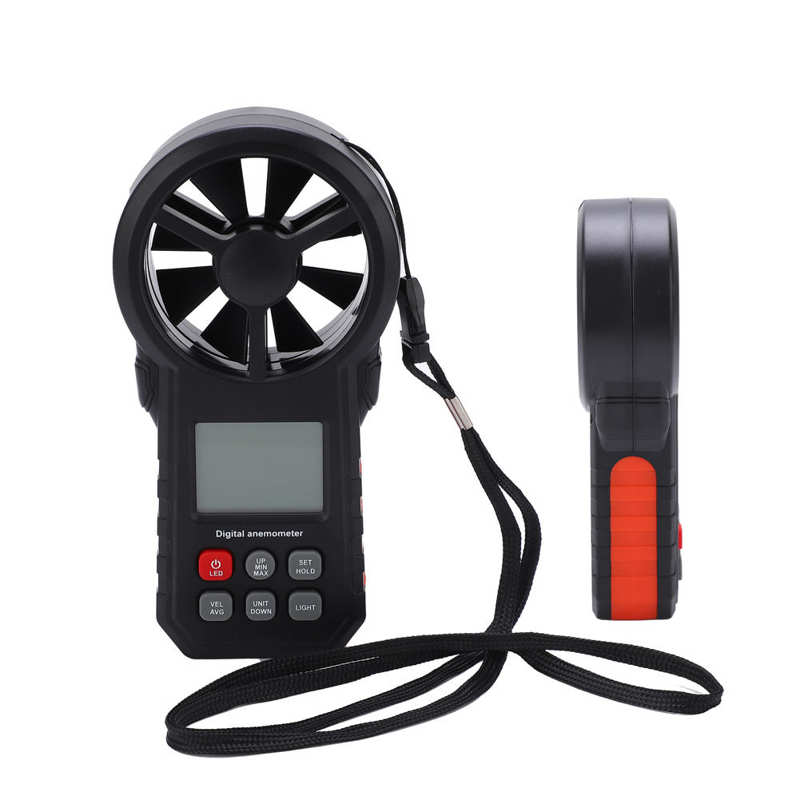
So, how can you explore the wind speed right now, without needing an elaborate weather station? Start by becoming a keen observer! Look at how trees sway: are the small branches just rustling, or are the larger branches bending significantly? Watch flags, smoke, or even your own hair. These are all natural indicators. You can use the Beaufort scale, a simple system that estimates wind speed based on observed sea and land conditions, for a fun, low-tech way to gauge it. For a more precise answer, your smartphone is a fantastic tool! Most modern weather apps provide real-time local wind speed data, often down to the exact mile or kilometer per hour. Websites like AccuWeather or The Weather Channel also offer this information readily. If you’re truly bitten by the curiosity bug, consider investing in a small, handheld anemometer – they're surprisingly affordable and incredibly fun to use. So next time you feel that breath of air, don't just feel it; try to know it. You might be surprised at what you discover!