What Is The Wind Speed Of A Cat 5 Hurricane

Okay, so picture this: I'm chilling on my porch swing, iced tea in hand, enjoying a perfectly still summer afternoon. Suddenly, my neighbor's ridiculously oversized inflatable flamingo takes flight, soaring majestically (and terrifyingly) over my fence. It looked like something out of a cartoon. He hadn't secured it properly. I thought to myself, "Wow, that's...windy?" But then it got me thinking – how windy is actually windy? And what kind of wind would be needed to send, say, a house flying, not just a flamingo? That led me down the rabbit hole of hurricanes, specifically, the fearsome Category 5.
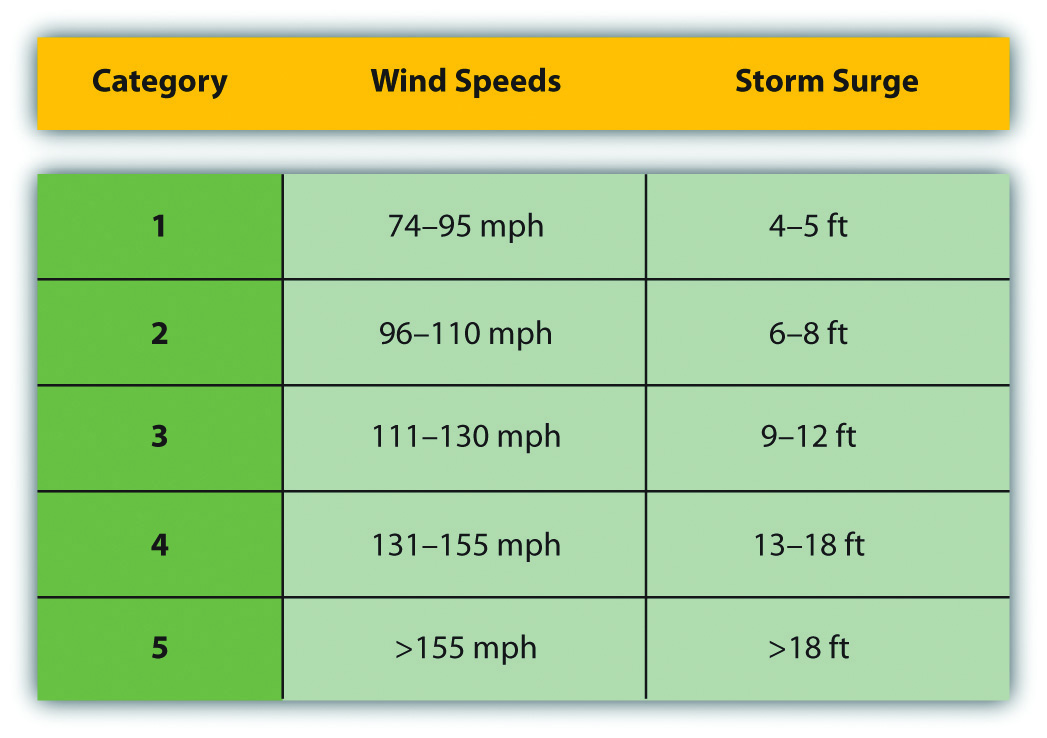
So, let's get down to brass tacks: What is the wind speed of a Category 5 hurricane? The answer, my friends, is terrifyingly high. We're talking sustained winds of 157 mph (252 km/h) or higher. Yep, you read that right. One hundred and fifty-seven miles per hour. Think about driving on the highway, then multiply that by, well, a lot.
To put that in perspective, a Category 1 hurricane, which is still seriously dangerous, has sustained winds of 74-95 mph. See the difference? It's a pretty significant jump! (And yes, that flamingo would probably be in another state by then).
Must Read
But What Does 157+ mph Actually Mean?
That's a great question! And the answer is... utter devastation. We're talking catastrophic damage. Well-built framed homes can be completely destroyed. Roof failures are widespread. Trees are uprooted. Power outages last for weeks, or even months. Areas are uninhabitable. Coastal areas are flooded beyond recognition.
Seriously, Category 5 hurricanes are no joke. They're the kind of storms that rewrite coastlines and leave communities reeling for years.
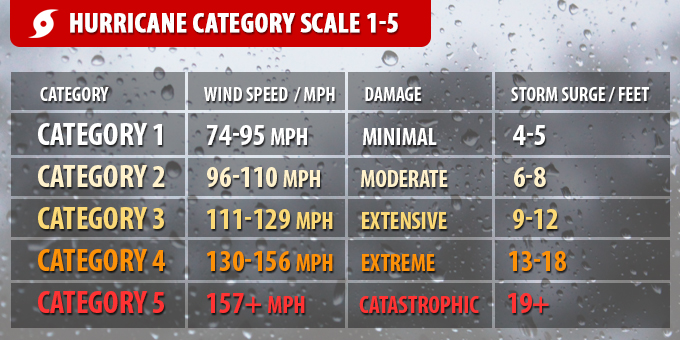
It’s not just the wind, either. The storm surge associated with these hurricanes can be absolutely devastating. Imagine a wall of water, sometimes several feet high, crashing onto the shore. Combine that with the relentless wind, and you've got a recipe for complete destruction.
The Saffir-Simpson Scale: A Quick Refresher
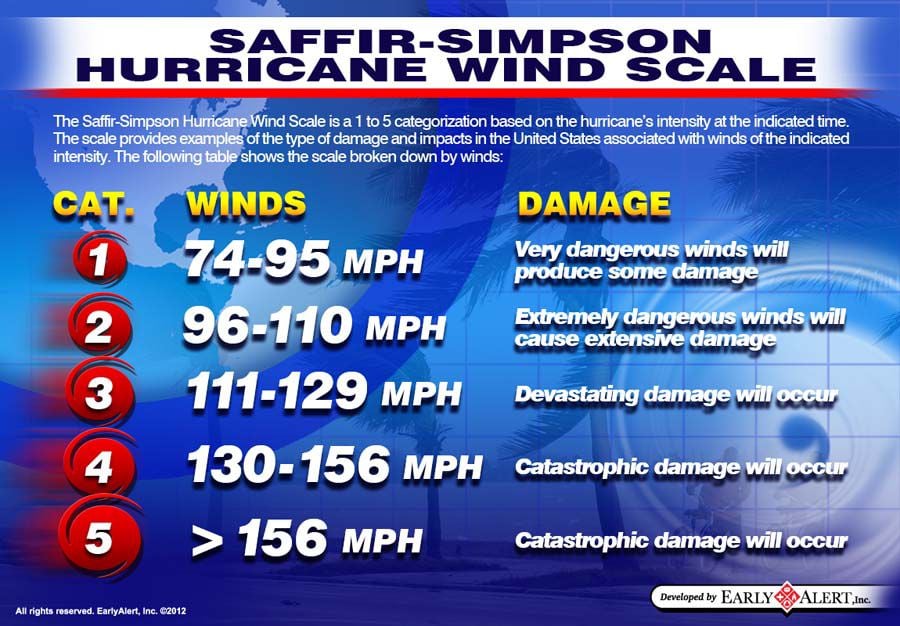
Just a quick reminder about how hurricanes are classified. The Saffir-Simpson Hurricane Wind Scale is what meteorologists use to categorize these storms based on their sustained wind speeds. It goes from Category 1 to Category 5, with Category 5 being the most intense.
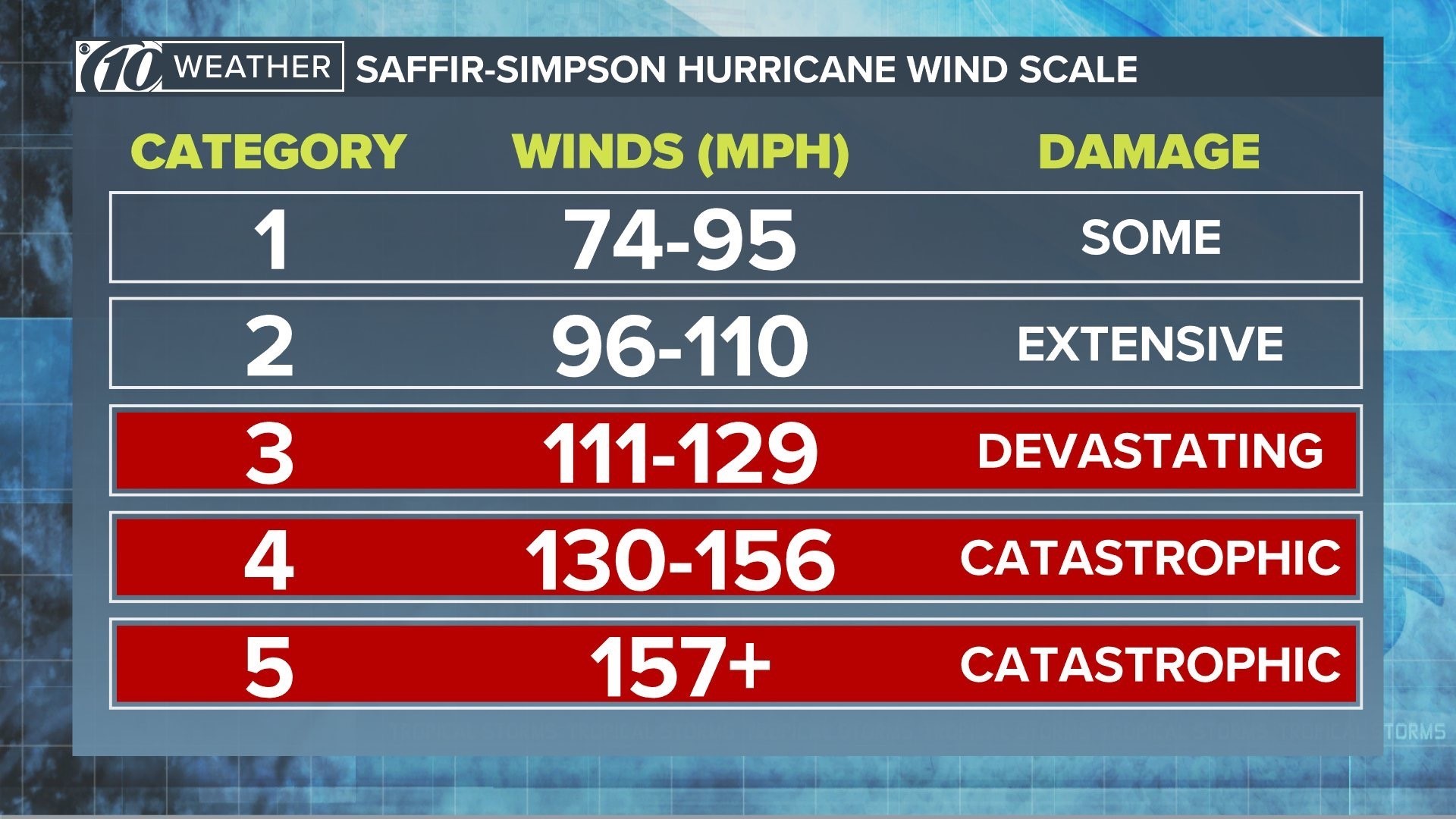
Each category has a specific wind speed range and associated damage level. While wind speed is the primary factor, other things, like storm surge and rainfall, also contribute to the overall impact of a hurricane. (It's always more complicated than it looks, isn't it?).
And it's important to remember: a lower category hurricane can still be incredibly dangerous. Don't let your guard down just because it's not a Category 5! The scale represents potential damage; factors like preparedness, geography and population all have an impact.
So, What Should You Do?
Okay, enough doom and gloom. What can you actually do if you live in an area prone to hurricanes? First and foremost: be prepared. Have a plan. Know your evacuation routes. Stock up on supplies (water, food, batteries, etc.). Listen to local authorities.
If an evacuation order is issued, heed it! Don't try to ride out the storm. Your life is more important than your possessions. Seriously. And tell your neighbors too. We all have to look after one another, right?
Category 5 hurricanes are forces of nature that demand respect. Understanding their power, especially that incredibly high wind speed, is crucial for preparing for and surviving these storms. So, stay informed, stay prepared, and stay safe! And maybe secure your inflatable flamingos before the next gust of wind hits.