What Is The Wind Speed Of A Cat 1 Hurricane
Ever wondered about the raw power unleashed by nature, the kind that inspires both awe and a healthy dose of respect? We're talking about hurricanes, those swirling behemoths that dominate weather forecasts and etch themselves into our collective memory. But let's focus on the beginning of the hurricane scale, the somewhat deceptively named Category 1. While it might sound mild compared to a Cat 5, it's still a force to be reckoned with! And understanding its wind speed isn't just for meteorologists; it's a gateway to creative inspiration for artists, a fun fact for hobbyists, and an intriguing piece of knowledge for anyone curious about the world around them.
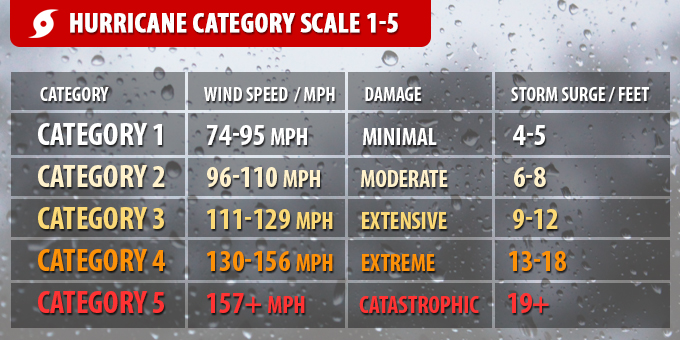
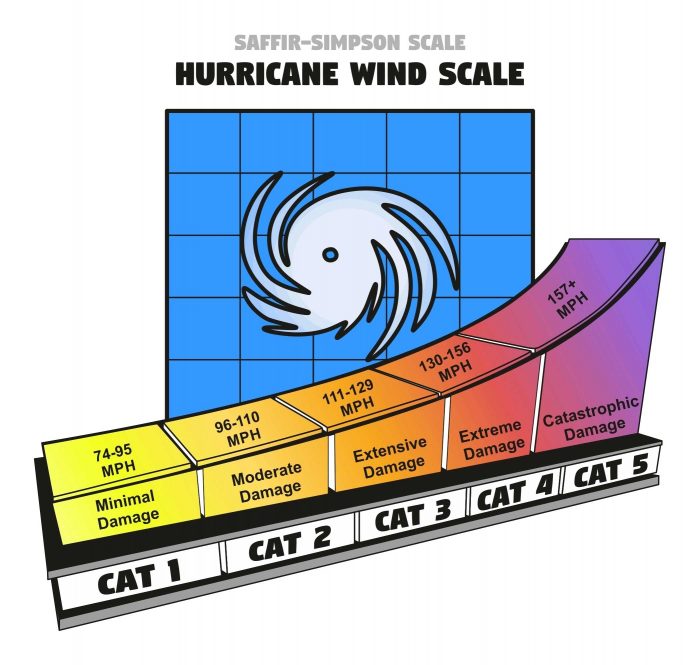
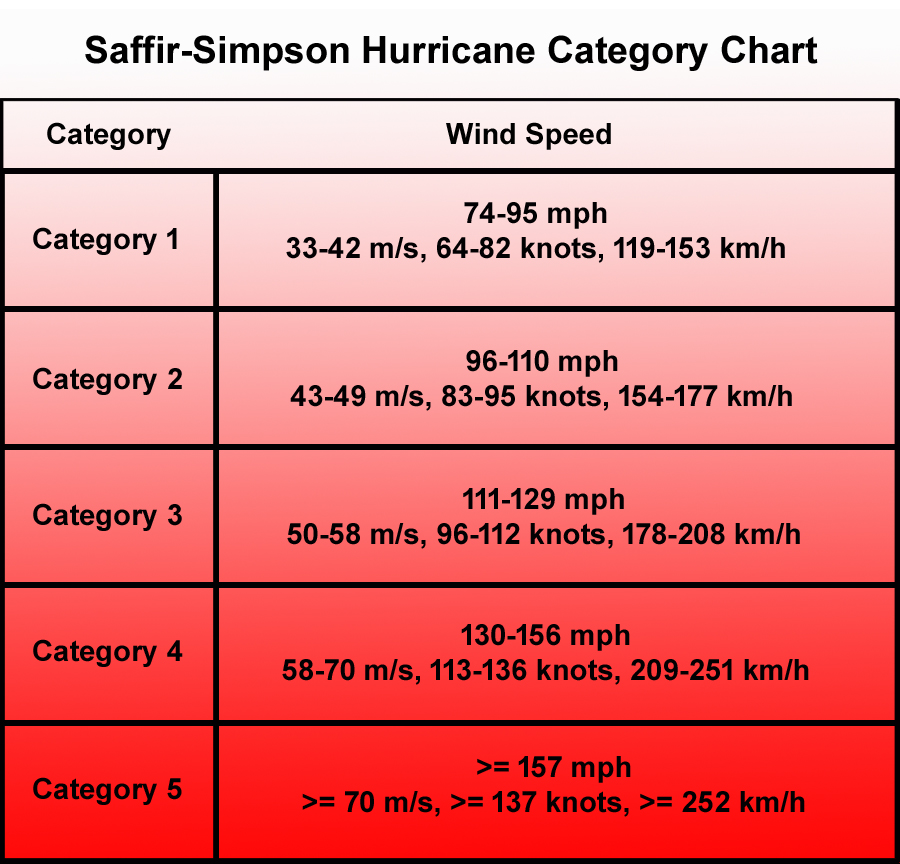
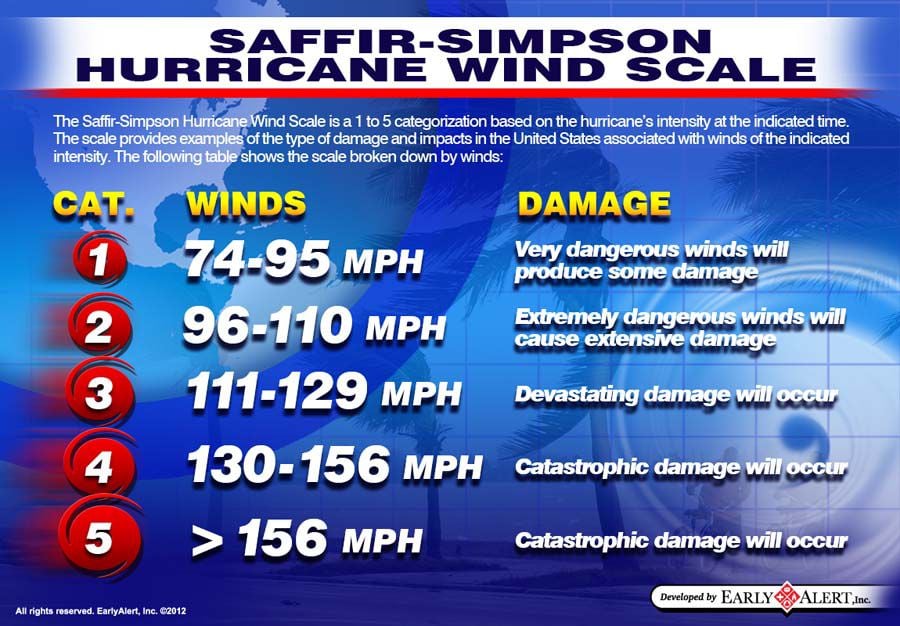
So, what is the wind speed of a Category 1 hurricane? Officially, it's sustained winds between 74 and 95 miles per hour. But knowing that number is just the start. Imagine translating that into art! Artists can use this knowledge to inform their work. Think about a painter creating a landscape depicting the impact of a Cat 1 storm on a coastal scene. They could use swirling brushstrokes and muted colors to convey the relentless wind and rain. Or, a sculptor could create a piece reflecting the power of the wind, perhaps a tree bent almost double, sculpted from metal or wood. Even writers can draw inspiration, crafting stories around characters facing the challenges of a Category 1 hurricane.
For hobbyists, understanding wind speeds can add a layer of depth to existing interests. Love model building? Construct a miniature hurricane research facility, complete with wind speed indicators and scaled-down damage scenarios. Into photography? Experiment with long-exposure shots on a windy day to simulate the blurred effect of heavy rain and wind. Perhaps you're a weather enthusiast! Track local weather patterns, compare them to hurricane data, and learn to identify potential signs of approaching storms (although always rely on official forecasts!).
Must Read
Let's look at some artistic examples. Imagine a series of abstract paintings, each representing a different stage of a Category 1 hurricane. One could use vibrant blues and greens to depict the initial rainfall, gradually transitioning to darker, more turbulent colors as the wind picks up. Another variation could be a series of photographs capturing the impact of wind on different objects – leaves scattering, water rippling, flags snapping violently. A literary example might be a short story told from the perspective of a seagull caught in the storm, highlighting the bird's struggle against the powerful winds.
Want to try exploring this at home? You don't need to be in a hurricane to get a feel for wind! On a windy day, go outside and observe the effects of the wind on different objects. How does it affect trees? How does it move water? Take photos, sketch what you see, or write down your observations. You can even use a simple anemometer (easily found online or even made at home with instructions) to measure the wind speed and get a tangible sense of its force. Remember to always prioritize safety and avoid going outside during severe weather.
Understanding the wind speed of a Category 1 hurricane – those 74 to 95 miles per hour – is more than just memorizing a number. It's about connecting with the power of nature, sparking creativity, and enriching our understanding of the world. It's enjoyable because it transforms abstract data into something tangible, something we can imagine, feel, and even create.