What Is The Wind Speed In My Current Location
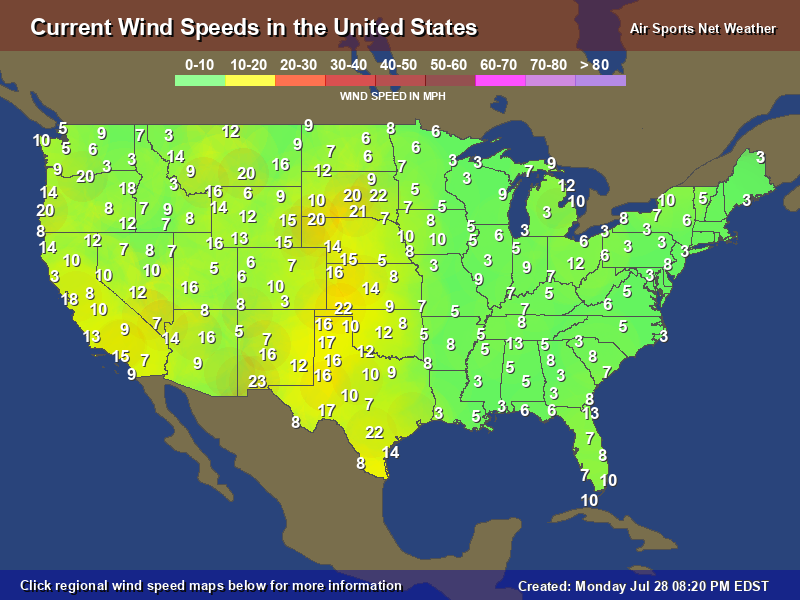
Ever felt that exhilarating rush of wind whipping through your hair, making you feel truly alive? Or maybe you're more of the practical type, carefully checking the forecast before deciding whether to hang your laundry out to dry. Whether you're a thrill-seeker or a planner, understanding the wind speed in your current location is more useful and fascinating than you might think!
Knowing the wind speed isn't just about avoiding a bad hair day. It plays a significant role in numerous aspects of our lives. For example, think about farmers. They rely heavily on wind speed information to make informed decisions about planting, irrigating, and applying pesticides. Too much wind, and those delicate seedlings could be damaged or the pesticides could drift to unintended areas. Similarly, construction workers need to be aware of wind conditions for safe operation of cranes and other heavy machinery. High winds can create dangerous conditions on construction sites, leading to accidents and delays.
Beyond the practical, wind speed also impacts recreational activities. Sailors, surfers, kiteboarders, and even paragliders are all acutely aware of the wind. A gentle breeze might be perfect for a leisurely sail, while a stronger gust could be ideal for catching some air on a kiteboard. Knowing the current wind speed allows them to assess the risks and make informed decisions about whether or not to participate in their chosen activity. And let's not forget aviation! Pilots rely on accurate wind speed and direction data for safe takeoff and landing.
Must Read
So, how can you find out the wind speed in your current location? Thankfully, it's easier than ever! The most convenient method is undoubtedly using your smartphone. Numerous weather apps, such as AccuWeather, The Weather Channel, and WeatherBug, provide real-time wind speed information based on your GPS location. These apps often include additional details like wind direction and gust speed, offering a comprehensive picture of the wind conditions.
Another option is to use online weather websites. Many websites, including those mentioned above, provide detailed weather information, including wind speed, for specific locations. Simply enter your city or zip code to access the data. For more localized and precise information, consider checking weather stations near you. Many airports, universities, and research institutions operate weather stations that provide real-time data, often publicly accessible online.
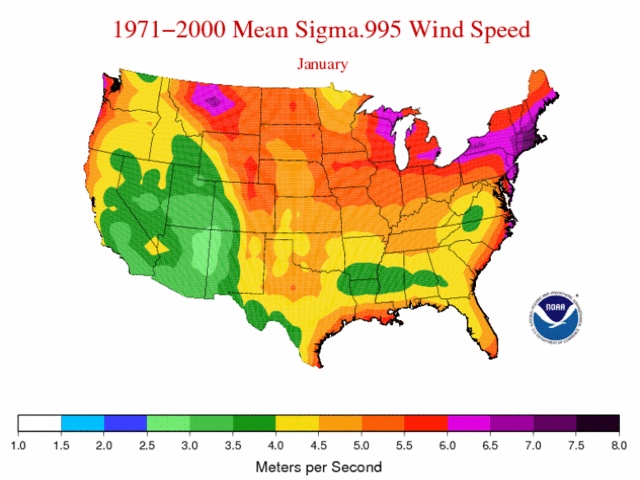
To enjoy and utilize wind speed information more effectively, consider these practical tips:
- Cross-reference sources: Don't rely solely on one source for wind speed data. Compare information from multiple apps or websites to get a more accurate picture.
- Pay attention to wind direction: Wind direction is just as important as wind speed. Knowing where the wind is coming from can help you anticipate changes in weather conditions.
- Understand gusts: Gusts are sudden increases in wind speed that can be much higher than the average. Be aware of the gust speed when making decisions about outdoor activities.
- Learn to estimate wind speed: With practice, you can learn to estimate wind speed by observing its effects on your surroundings. For example, light winds might cause leaves to rustle, while stronger winds could bend small trees.
By understanding and utilizing wind speed information, you can make more informed decisions, stay safe, and even enhance your enjoyment of the great outdoors. So next time you feel the wind on your face, take a moment to appreciate the power and the information it provides. It's more than just a breeze; it's a valuable piece of the puzzle in understanding our environment. Embrace the wind, learn from it, and stay safe!