
What Is The Wind Speed For A Tropical Storm
From Gentle Breezes to Boisterous Blows: When Does a Tropical Disturbance Become a Tropical Storm?
We all love a good summer storm, right? The drama, the sound of rain hammering against the windowpane… until it knocks out the power. But have you ever wondered when a regular storm earns the fancier title of a Tropical Storm? It's all about the wind, baby!
Wind Whispers and the Beaufort Scale: A Little Background
Before we dive into tropical storm territory, let's tip our hats to Sir Francis Beaufort. He invented a scale (the Beaufort scale, naturally!) to describe wind speeds. It starts at zero (calm) and goes all the way up to twelve (hurricane force). Think of it as the original weather app, but way less prone to glitches.
Each number on the Beaufort scale represents a range of wind speeds and the corresponding effects on land and sea. A gentle breeze (around 4-7 mph) might rustle the leaves and fill your sails on a small boat. A moderate gale (around 39-46 mph) will see you struggling to walk against the wind, and your umbrella turning inside out.
Must Read
The Magic Number: 39 mph
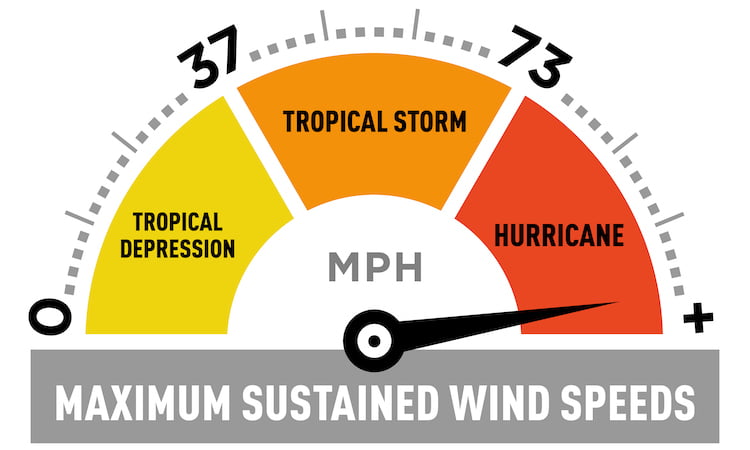
So, what’s the magic number that transforms a tropical depression into a Tropical Storm? That's right, it's 39 mph (63 km/h). Once sustained winds reach this speed, the storm officially gets upgraded. It’s like graduating from weather school!
Imagine all those meteorologists huddled around their screens, watching those wind speeds creep higher and higher. It must be like waiting for the toast to pop up in the morning. Only the toast is a potentially devastating weather event.
Naming Names: A Tropical Storm's Identity Crisis
And here's where things get really interesting. Once a storm hits that 39 mph mark, it's not just a nameless blob on the weather map anymore. It gets a name! Meteorologists pre-assign names for each hurricane season.
Imagine being the person in charge of picking those names. It's a huge responsibility! You want to avoid names that might be confusing or offensive. And you definitely don't want to name a hurricane after your ex. That would just be awkward.
From Tropical Storm to Hurricane: The Next Level
Okay, so our tropical disturbance has grown up and become a Tropical Storm. But what happens next? Well, if the winds keep increasing and reach 74 mph (119 km/h), it officially becomes a Hurricane.

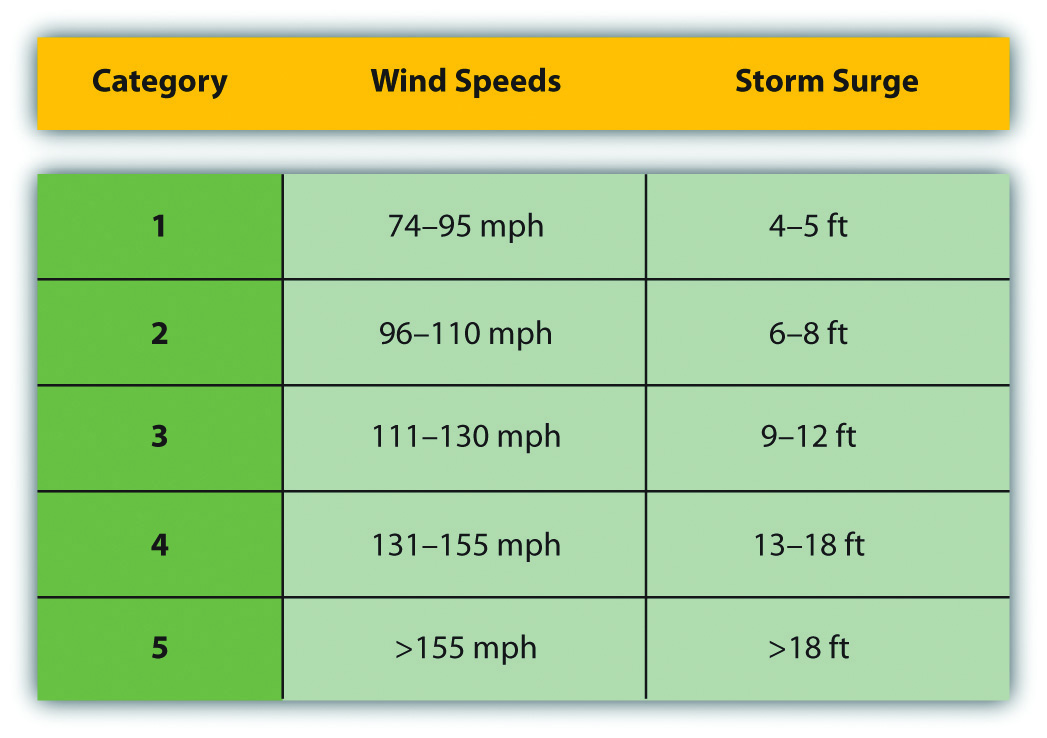
That's when things get really serious. Hurricanes are categorized on the Saffir-Simpson Hurricane Wind Scale, ranging from Category 1 (least intense) to Category 5 (most intense). A Category 5 hurricane can cause catastrophic damage. So, pay attention to those warnings!
The Importance of Knowing the Speed
Knowing the wind speed threshold for a Tropical Storm isn't just a matter of trivia. It's crucial for preparedness. When weather reports announce a tropical storm forming, it's your cue to start taking precautions.
This might mean stocking up on supplies, securing your property, and staying informed about evacuation orders. Remember, it's always better to be safe than sorry. Mother Nature can be a fickle friend.
Beyond the Numbers: The Human Side of Storms
While wind speed is the defining factor, it’s important to remember that Tropical Storms are more than just numbers on a chart. They affect real people, real communities, and real lives.
The aftermath of a storm can be devastating, but it also brings out the best in humanity. Neighbors help neighbors, strangers offer support, and communities rally together to rebuild. In the face of adversity, the human spirit shines through.

A Few Surprising Storm Facts
Did you know that the strongest winds in a Tropical Storm or Hurricane are not always found in the center of the storm? Sometimes, the outer bands can pack a serious punch.
And here’s another fun fact: Hurricanes spin counterclockwise in the Northern Hemisphere and clockwise in the Southern Hemisphere. It's all due to something called the Coriolis effect. Now you have a great conversation starter for your next dinner party!
Respect the Wind: A Final Thought
So, the next time you hear about a Tropical Storm brewing, remember that 39 mph number. It's more than just a statistic; it's the threshold that signals a significant weather event with the potential for serious impact.
Respect the power of the wind, stay informed, and be prepared. And maybe, just maybe, you'll even develop a newfound appreciation for the science behind these incredible forces of nature.
And while you're at it, maybe send a thank you note to Sir Francis Beaufort. After all, he's the one who helped us understand the language of the wind.

The Lighter Side of Storms (Because We All Need a Laugh)
Let's be honest, sometimes the media coverage of Tropical Storms can be a bit… over the top. We've all seen those reporters standing on the beach, struggling to stay upright in the wind, dramatically reporting on the "treacherous conditions."
It's almost like they're trying to win an Emmy for "Most Dramatic Weather Report." While their dedication is admirable, it's also a bit comical. Just picture them backstage, practicing their "struggle face" in the mirror.
Beyond the Damage: Finding Beauty in the Chaos
It might sound strange, but there's a certain beauty to be found even in the midst of a Tropical Storm. The dramatic skies, the crashing waves, the raw power of nature… it's all quite awe-inspiring.
Of course, it's important to remember the potential for destruction and to take the necessary precautions. But sometimes, taking a moment to appreciate the sheer force of nature can be a humbling experience.
Staying Safe and Sane During a Storm
If you find yourself in the path of a Tropical Storm, remember to stay calm and follow the instructions of local authorities. Panic never helps anyone.
And while you're hunkered down, why not make the most of it? Break out the board games, tell stories, or have a movie marathon. A little bit of fun can go a long way in easing the stress of a storm.
The Unexpected Silver Linings
Believe it or not, Tropical Storms can sometimes have unexpected benefits. For example, they can help to alleviate droughts by bringing much-needed rainfall.
They can also help to redistribute heat in the ocean, which can have a positive impact on marine ecosystems. Of course, these benefits are small consolation for those who have suffered damage from a storm. But it's a reminder that even in the midst of destruction, there can be a glimmer of hope.
A Toast to Preparedness (and Staying Dry!)
So, here's to understanding the difference between a gentle breeze and a Tropical Storm. May we all be prepared, stay safe, and appreciate the power and beauty of nature – from a safe distance, of course!
And remember, when those winds reach 39 mph, it's time to pay attention. It's not just a storm; it's a Tropical Storm, and it's got a name!