What Is The Wind Speed For A Category 3 Hurricane

Ever find yourself mesmerized by swirling weather patterns, the raw power of nature, perhaps even incorporating them into your art or daydreams? We often hear about hurricane categories, but what do they really mean? Let's dive into the fascinating, though serious, world of hurricanes and pinpoint exactly what wind speed defines a Category 3 hurricane. It's more than just a number; it unlocks a deeper understanding of our planet's forces.
Why should artists, hobbyists, and casual learners care? Well, understanding the science behind natural phenomena like hurricanes can be incredibly inspiring. Imagine crafting a painting that captures the intensity of a Category 3 storm, or writing a story where the environment itself is a powerful character. For hobbyists interested in weather tracking, knowing the wind speeds helps in analyzing and predicting storm behavior. And for the simply curious, it’s fascinating knowledge to have – a concrete way to grasp the scale of these awe-inspiring events.
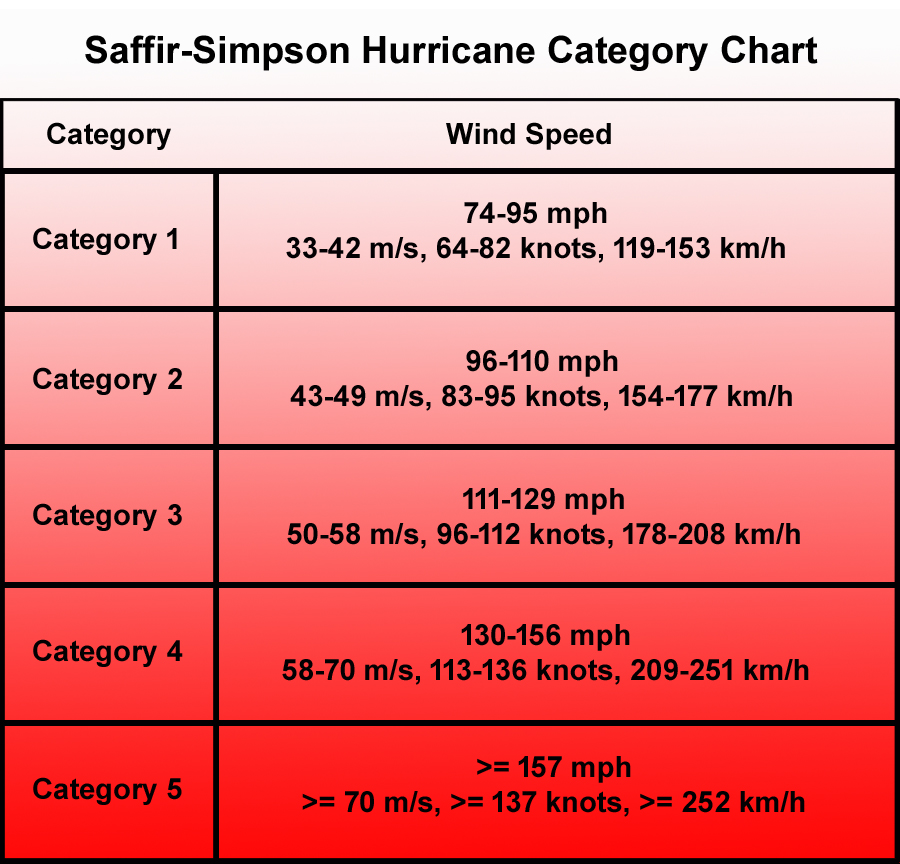
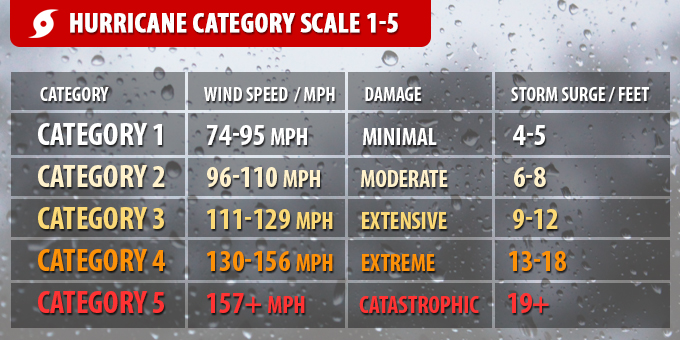
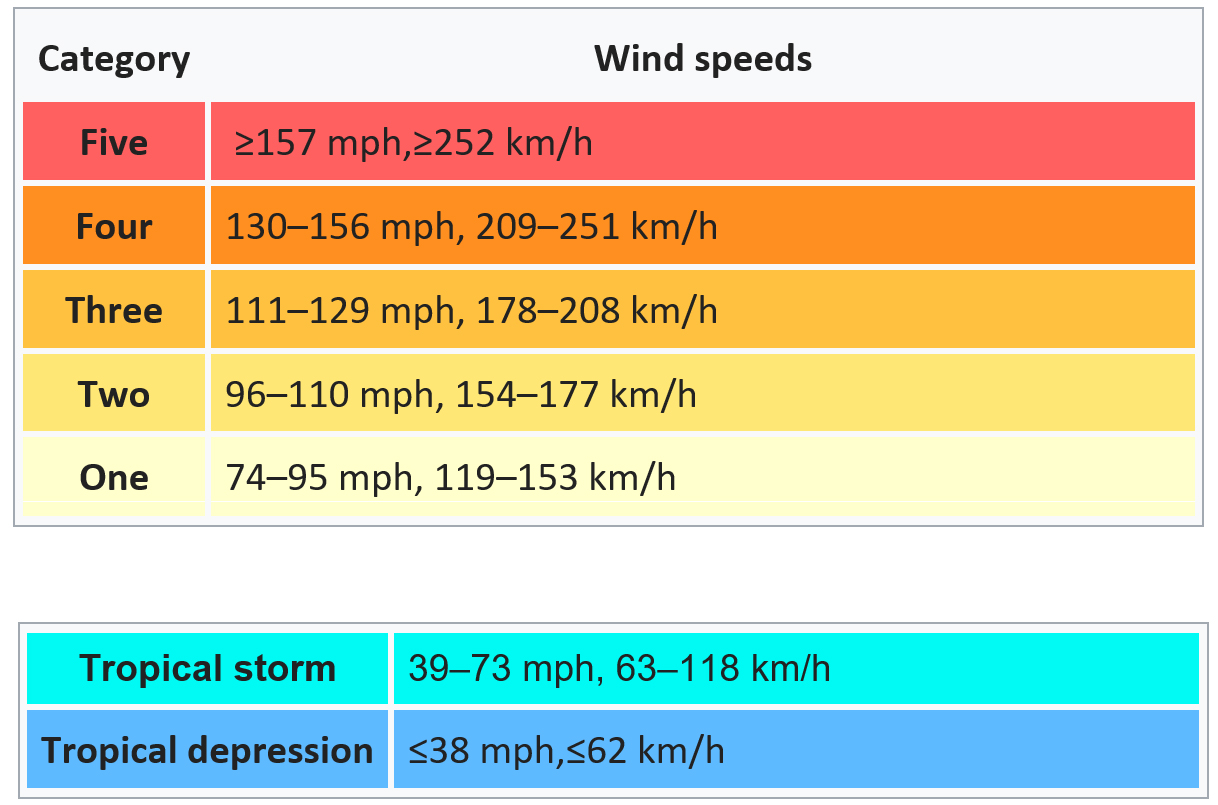
So, the magic number (or range, rather) you're looking for is: 111-129 mph. That's the sustained wind speed that classifies a hurricane as Category 3 on the Saffir-Simpson Hurricane Wind Scale. At this level, you're talking about devastating damage. Expect things like structural damage to small residences and utility buildings, large trees blown down, and mobile homes destroyed. Coastal areas will experience significant flooding.
Must Read
Think of it this way for artistic inspiration: a Category 3 hurricane isn't just wind; it's a chaotic dance of water, air, and destruction. Styles that might capture this well include: abstract expressionism, focusing on the emotional impact; realism, emphasizing the destructive power; or even surrealism, depicting the dreamlike, nightmarish quality of the storm. Subjects could range from crashing waves and uprooted trees to the determined faces of those bracing for the storm. Variations might involve playing with color palettes – using fiery oranges and reds to represent the storm's fury, or muted blues and grays to convey a sense of dread.
While we can't exactly recreate a Category 3 hurricane at home (and thankfully, we wouldn't want to!), we can simulate aspects of it for artistic or educational purposes. Try experimenting with a fan and fabric to visualize the movement of wind, or create a miniature landscape and use a spray bottle to simulate rainfall and flooding. Remember: safety first! Keep water away from electrical sources and be mindful of the force you're generating.
Ultimately, learning about weather events like hurricanes isn't just about memorizing numbers; it's about appreciating the power and complexity of the natural world. It’s about connecting with the forces that shape our planet and finding creative ways to express our understanding and respect for them. It’s enjoyable because it allows us to tap into a sense of wonder and to see the world around us in a new, more informed light. So go forth, explore, and let the wind (even Category 3 wind!) inspire you!