What Is The Wind Speed For A Category 2 Hurricane

Okay, let's talk hurricanes. Not in a doom-and-gloom, hide-under-the-bed kind of way, but in a "knowledge is power, let's be prepared and maybe even a little bit fascinated" kind of way. We've all seen the news, heard the warnings, but sometimes the details get lost in the storm (pun intended!). So, what exactly is the wind speed for a Category 2 hurricane? And what does that even mean?
Decoding the Saffir-Simpson Scale
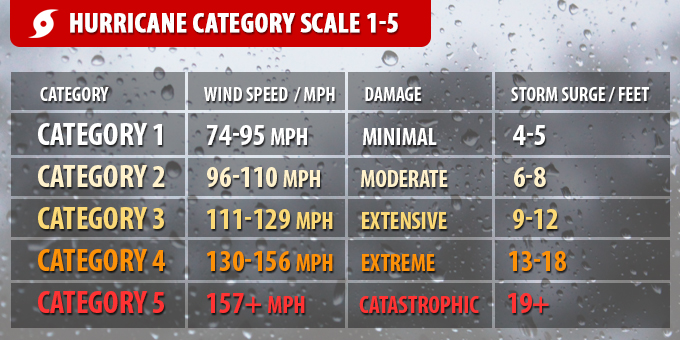
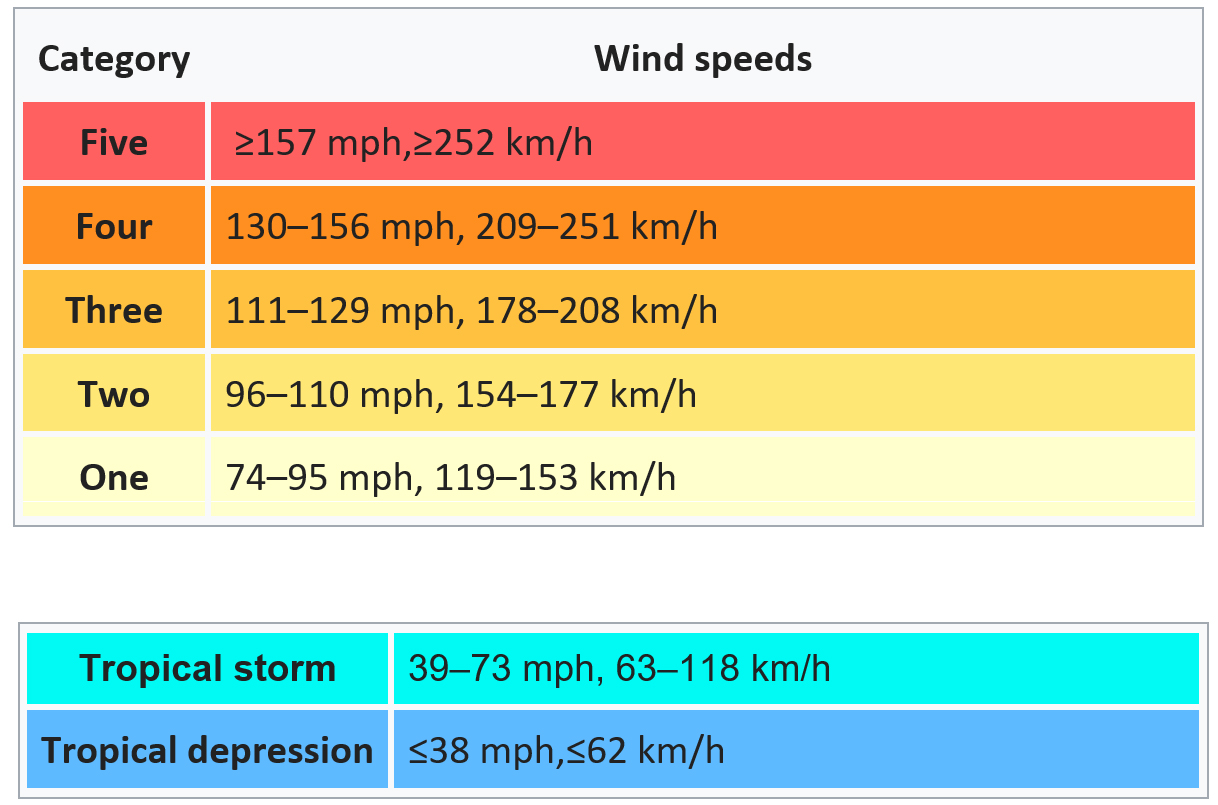
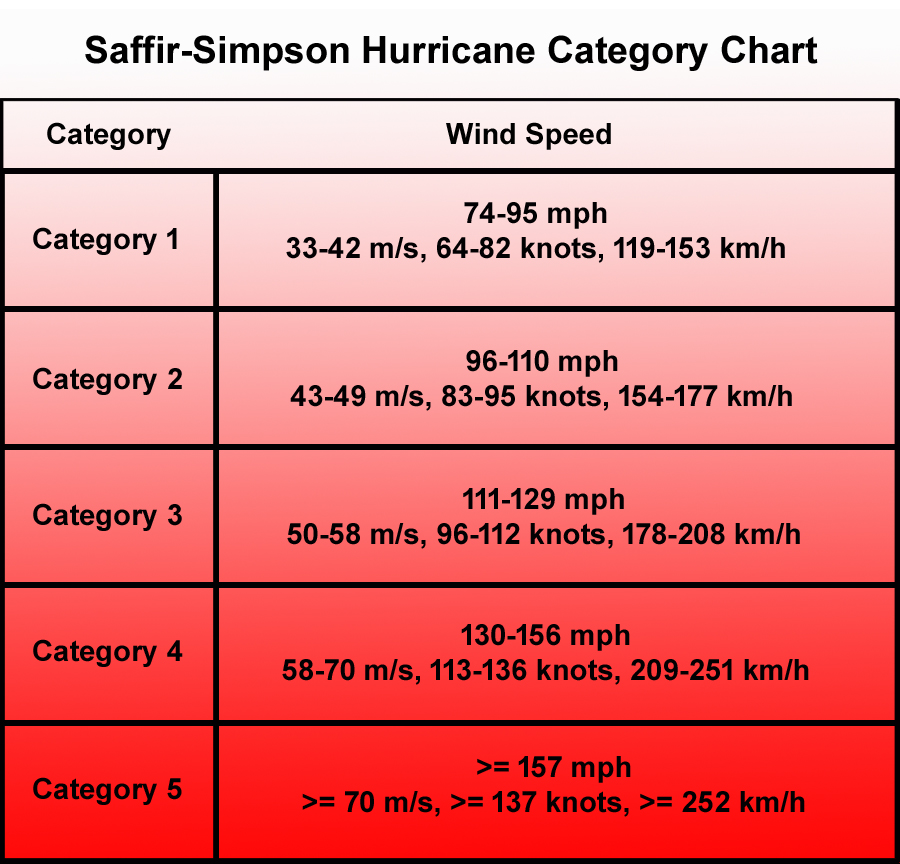
First, a quick refresher. Hurricanes are categorized using the Saffir-Simpson Hurricane Wind Scale, a 1-to-5 rating based solely on a hurricane's sustained wind speed. Think of it like a spice level indicator at your favorite Thai restaurant – a helpful guide, but not the whole story. A Category 1 is the mildest, while a Category 5… well, let's just say you definitely don't want to be anywhere near a Category 5.
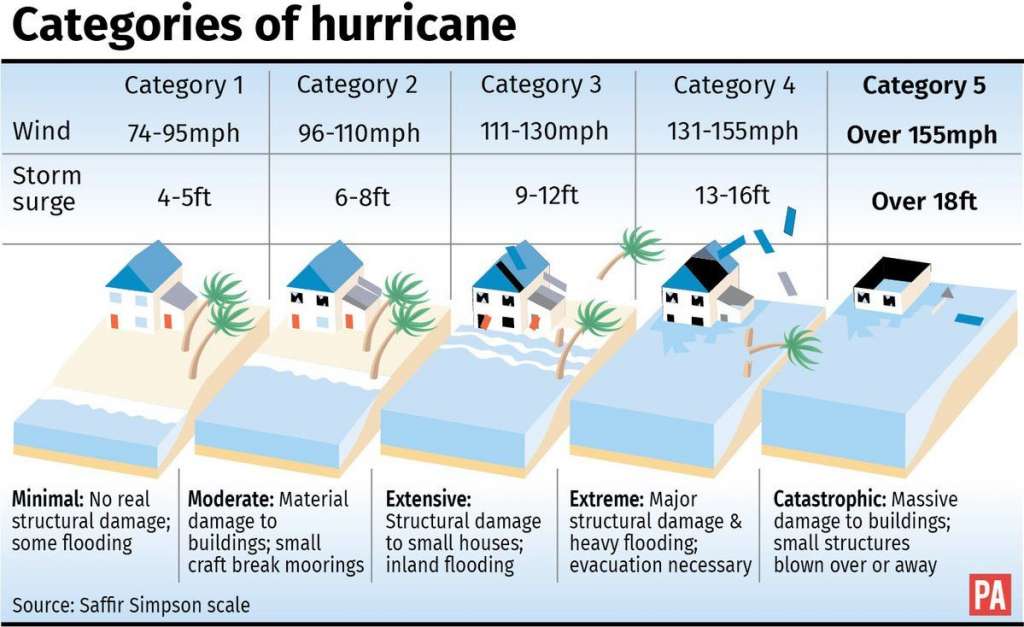
Now, for the main event: a Category 2 hurricane boasts sustained winds of 96-110 mph (154-177 km/h). That's like standing in front of a super-powered leaf blower, only instead of leaves, it's flinging trees, power lines, and maybe your neighbor's prized gnome collection.
Must Read
What Does 96-110 mph Feel Like?
Imagine you're on a high-speed train, except instead of sitting comfortably with a cup of coffee, you're standing on the tracks without the train. Okay, maybe not literally! But it’s difficult to conceptualize the force of the wind. Think about a strong tornado. A Category 2 hurricane is less intense but the scale and duration of the damage can be devastating.
Okay, maybe not literally on the tracks. But you get the idea. It's seriously strong wind.
The Impact of Category 2 Winds
Here's the gist of what a Category 2 hurricane can do:
- Considerable damage: Expect extensive damage to trees, shrubs, and unanchored mobile homes.
- Roof and siding damage: Roof damage is common, and siding can be ripped off.
- Power outages: Power outages are likely and can last for several days, maybe even weeks. Get those portable chargers ready!
- Flying debris: Anything not secured down becomes a projectile. Think patio furniture, garbage cans, trampolines (yikes!), and even smaller building materials.
Think about the movie Twister. While that was, well, a twister, the sheer force of the wind throwing things around gives you a visual idea of the potential for flying debris. It's not just annoying; it's genuinely dangerous.
Practical Tips for Category 2 Prep
So, what can you do to prepare for a Category 2 hurricane? Here are a few essential tips:
- Secure your home: Board up windows, reinforce garage doors, and bring in any outdoor furniture or decorations.
- Stock up on supplies: Water (at least one gallon per person per day), non-perishable food, medications, a first-aid kit, a flashlight, and batteries.
- Have a plan: Know your evacuation route, and have a designated meeting place for your family.
- Stay informed: Monitor local news and weather reports. Heed any warnings or evacuation orders from authorities.
Think of it like preparing for a really intense camping trip, except instead of enjoying the great outdoors, you're hunkering down indoors waiting for the wind to stop howling. And instead of s'mores, you're eating canned beans. Fun, right? (Okay, maybe not fun, but definitely necessary.)
Beyond the Numbers: The Human Element
Ultimately, understanding wind speed is just one piece of the puzzle. The real impact of a hurricane goes far beyond numbers. It's about the disruption to lives, the emotional toll of displacement, and the long road to recovery. Think about the communities affected by past storms; the rebuilding, the resilience, and the enduring spirit in the face of adversity.
It's a good reminder that even though we can't control the weather, we can control how we prepare and how we support each other.
Bringing it Home
While we might not face hurricane-force winds every day, the principle of preparation and awareness applies to many aspects of our lives. Whether it's having an emergency fund, backing up important data, or simply taking the time to check in on loved ones, being proactive and prepared can make all the difference when unexpected challenges arise. Embrace the spirit of preparedness. Small acts of planning can create a strong foundation for handling life's inevitable storms. It's about building resilience, not just for the big, scary events, but for the everyday bumps in the road.