Ever tried to plug in a new gadget? Or maybe you just moved into a new place, full of exciting new outlets. You grab your phone charger, you look at the little prongs, and you just... plug it in. Easy peasy, right?
Life's simple pleasures, like a fully charged phone or a quietly humming laptop, often depend on this very act. We don't think twice. We just trust the wall to deliver the juice.
But then someone, usually with a glint in their eye, asks, "Hey, what's the voltage in the US?" And suddenly, that simple act of plugging things in feels like a pop quiz you definitely didn't study for. Do you really know the answer? Or do you just sort of shrug and say, "Whatever the wall gives me, I guess!"
Here's the thing. Ask ten different people, and you might get three different answers. Some will confidently declare, "Oh, it's definitely 110 volts!" They'll say it with the conviction of someone reciting their own phone number.
Others, perhaps having done a quick Google search or boasting a slightly newer memory, will correct them with a slightly smug, "Actually, it's 120 volts." A minor but persistent debate, always lurking around the coffee machine.
And then there's the rare, super-informed individual who might even mumble something about 240 volts, just to throw everyone off. Are we living in a voltage jungle? It certainly feels that way sometimes, doesn't it?
My unpopular opinion? For most of us, most of the time, the exact number is a delightful little secret that electricity keeps from us. And honestly, for our daily peace of mind, it's probably for the best. Who needs more numbers to remember?
The Elusive 110 Volts: A Blast from the Past
Let's tackle the old classic first: 110 volts. This number has been floating around in the American consciousness for decades. It's like an old friend, always there in the back of your mind when you think about US power.
You might have heard your grandparents say it, perhaps while tinkering with an ancient radio. Maybe you even saw it proudly displayed on an appliance label from the 1970s. It's deeply ingrained in our cultural electrical memory.
It's the voltage equivalent of that old, comfy armchair you just can't bring yourself to throw out, even though it's a bit lopsided. It's comfortable, familiar, and a little bit dusty with history and nostalgia.
This number isn't just a figment of imagination; it was indeed a standard for a very long time. Think of it as the original recipe, before a slight upgrade came along.
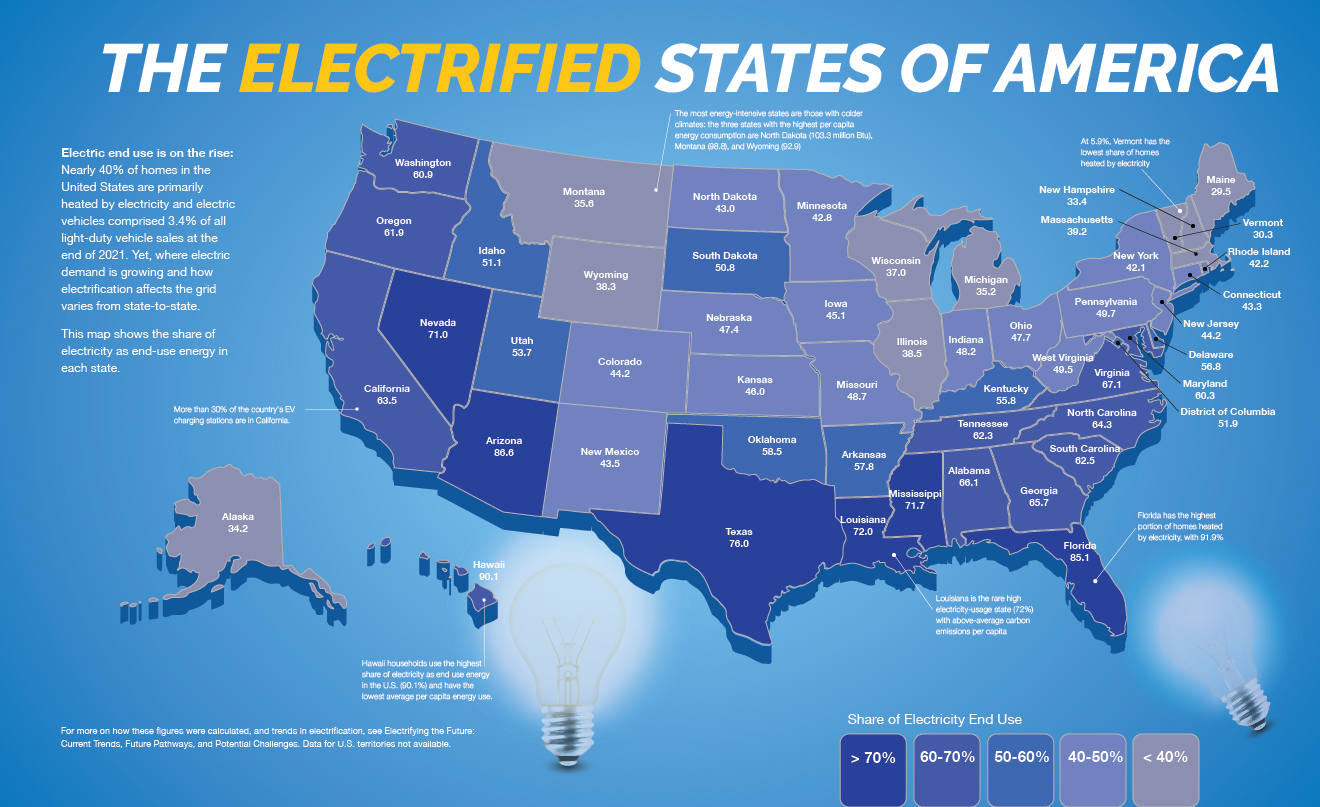
The Electrified States of America | American Public Power Association
Enter the Official 120 Volts: The Modern Standard
Then, the "official" word comes out: the standard household voltage in the US is now widely considered to be 120 volts. This is what you'll find in most modern technical specifications, electrical codes, and on labels of new appliances.
So, where did the extra 10 volts come from? Did someone just decide to turn up the dial one day for a bit more zip? Was there a secret meeting of electrical engineers, fueled by strong coffee, to boost our national power output?
The truth, as often happens with electricity, is a little less dramatic than a superhero origin story. It's more about system evolution, efficiency, and how power is delivered most effectively over the grid.
Think of it like this: your car's speedometer might go up to 160 mph, representing its maximum potential. But you rarely, if ever, hit that speed in daily driving. The "official" 120V is the designed target, the ideal.
It's the goal voltage, the peak performance number that engineers aim for. But just like that ideal car speed, real-world conditions often introduce a bit of variance.
Why the Wiggle Room? Fluctuation Fun!
Here’s the kicker, and this is where the plot thickens a bit: the voltage at your actual outlet isn't always precisely 120 volts. Oh no, electricity loves to keep us on our toes!
It can fluctuate a bit, depending on the time of day, how many other appliances are running in your house or neighborhood, and even how far you are from a power transformer. It might be 115V, 118V, or even 123V at different moments.
It’s like the temperature outside. The weather forecast might confidently say "75 degrees Fahrenheit," but when you step out, it feels a little warmer or cooler. Electricity, it turns out, can be just as temperamental and mood-swingy sometimes.
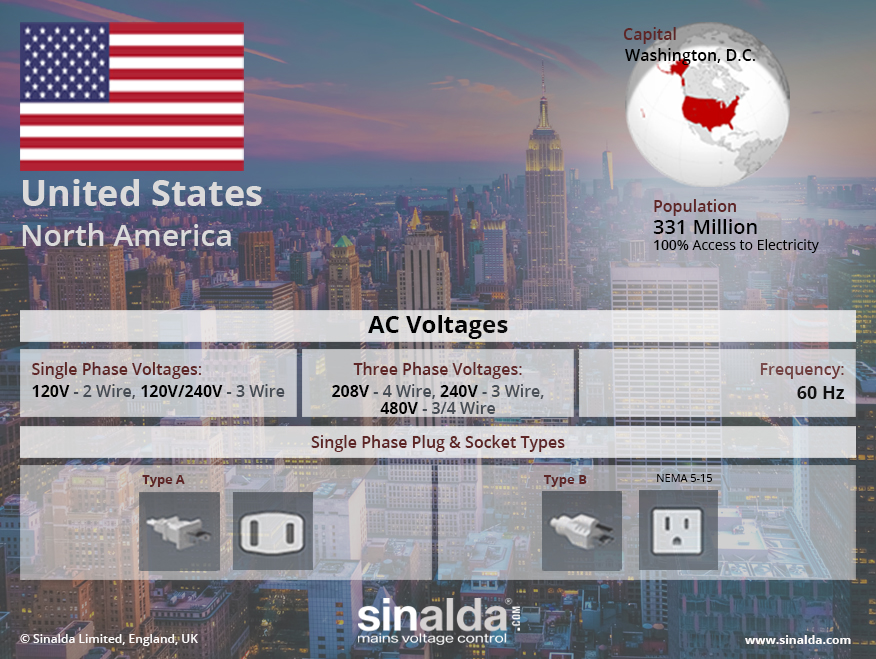
Voltage in USA- Electricity Supply and Power Quality Overview
This fluctuation is perfectly normal and expected within safe limits. Thankfully, our beloved devices are incredibly smart. They are built to handle a small range of voltages without complaining or sparking dramatically.
They have little internal regulators, like tiny bouncers at an exclusive club, making sure only the right amount of power gets in. They're much more resilient than we give them credit for.
So, when someone says 110V, or 115V, they're not necessarily wrong or living in the past. They're just describing a snapshot in time, a perceived average, or perhaps echoing a deeply held historical memory.
It's all within the acceptable range, a comfortable band where your toaster still toasts and your TV still beams your favorite shows.
The Secret Life of 240 Volts: The Power Players
Now, let's talk about the bigger, badder cousin: 240 volts. You don't see this one often casually plugged into any old outlet, unless you're doing a mountain of laundry or drying your hair in a very fancy, high-powered salon.
Appliances like your electric dryer, electric oven, hot water heater, or central air conditioner often need and use 240 volts. You'll immediately notice they have different, larger, and often uniquely shaped plugs.
These plugs are like VIP passes, ensuring that only the most power-hungry devices get access to the higher voltage. No accidentally plugging your phone into one of those high-energy sockets!
This higher voltage allows these hungry appliances to draw more power to do their heavy lifting, without needing ridiculously thick, cumbersome wires that would trip you up. It's all about efficiency, safety, and getting the job done for those power-guzzlers.
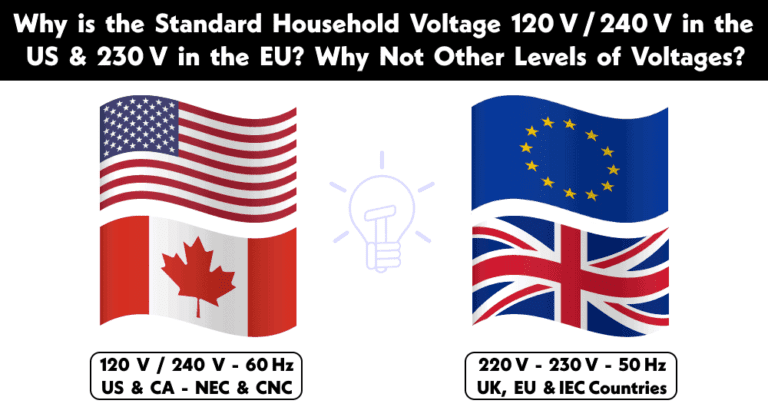
Why is Standard Household Voltage 120V / 240V and 230V AC?
But again, for your everyday lamp, your reliable toaster, or your trusty phone charger? You're sticking to the friendly neighborhood 120 volts (or whatever slight variation it's feeling that particular moment).
My Unpopular Opinion: It Barely Matters!
And here we come to the truly controversial part. My deeply held, slightly rebellious belief, whispered from the rooftops of common sense, is this: for most of us, most of the time, the exact voltage number doesn't matter a whit.
When you buy a shiny new gadget, does its instruction manual ask you if your wall is feeling 117V, 119V, or 121V today? No! It just says "Input: 100-240V" or "120V" and confidently expects you to plug it in and get on with your life.
Our modern electronics are incredibly forgiving. They're designed to handle the typical range of voltages found in US homes and even globally. They've got sophisticated little power adapters that sort it all out internally, like a mini voltage diplomat.
It’s like asking the precise, scientific shade of blue in the sky. It's blue enough, and your eyes adjust. Same with voltage: it's electric enough, and your devices, with their clever internal components, happily adjust.
Unless you're a certified electrician installing complex wiring, a meticulous electrical engineer designing new circuits, or planning to hook up very specific, sensitive industrial equipment, you can probably just relax about the precise number.
The vast majority of consumer electronics are built with a tolerance for these minor fluctuations. They aren't going to dramatically fizzle out because your outlet is 2 volts under the "official" rating.
The real question isn't "What's the exact voltage down to the decimal point?" It's "Does this plug fit into the socket?" and "Is it going to charge my phone without a dramatic explosion?" And almost always, the answer is a resounding yes!
What Is The Standard Voltage In The United States at Chris Stevens blog
So, breathe easy. Your everyday interaction with electricity doesn't require a multimeter or an engineering degree. It requires a compatible plug and a bit of faith.
Traveling Abroad: When Voltage Really, Really Matters
Now, there's one big, glaring, and very important exception where voltage absolutely, positively matters: international travel. Suddenly, knowing the numbers becomes very, very important.
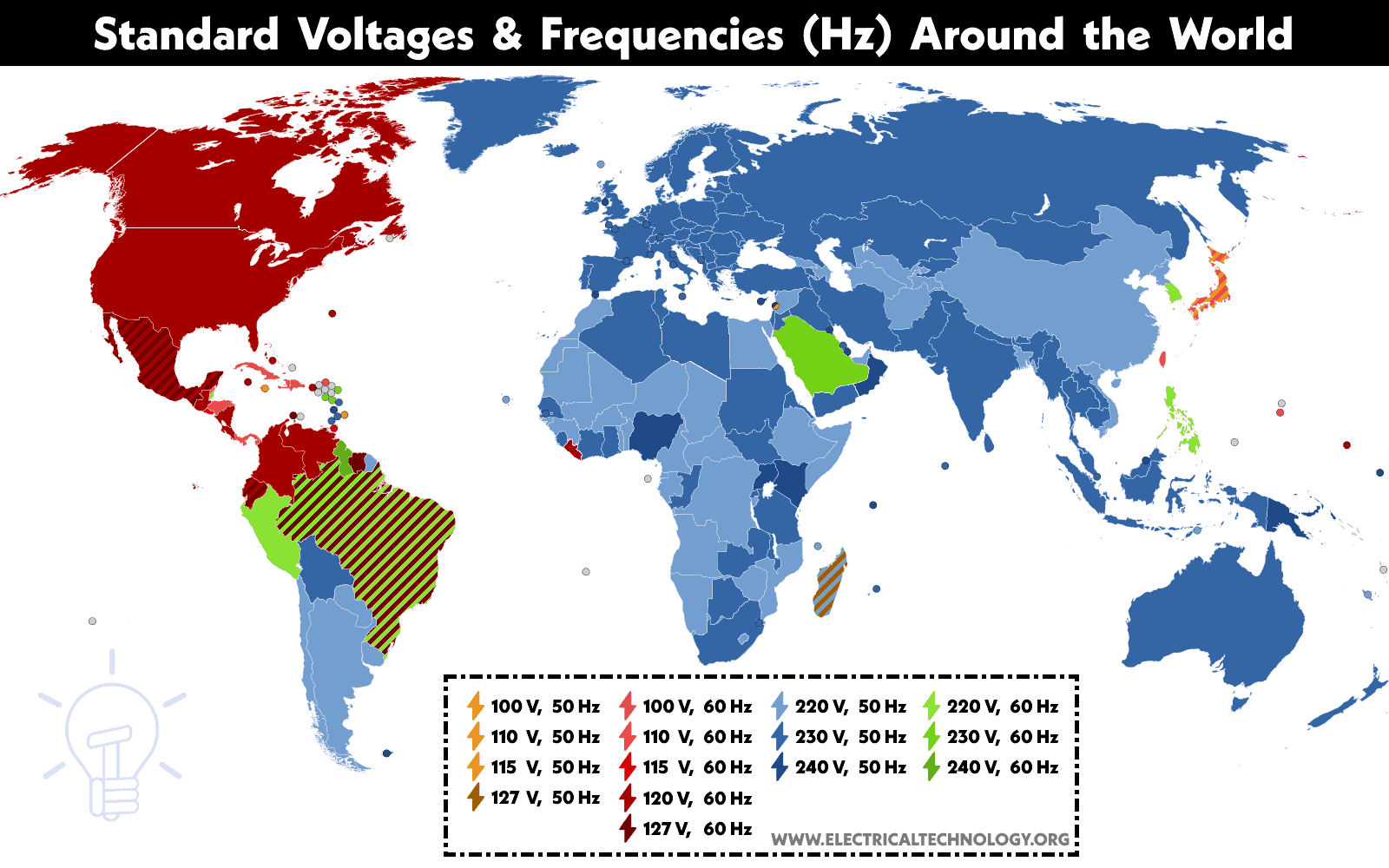
Many other countries, especially across Europe, Asia, and Africa, use a significantly higher voltage, typically around 220-240 volts. Plugging your delicate US hairdryer or straightener directly into a German or Italian outlet is a surefire recipe for a smoking appliance and a very bad hair day (or worse, a trip to the nearest electronics store).
This is where your trusty travel adapters and voltage converters come into play. They're the brave little heroes that bridge the vast voltage gap, saving your beloved electronics from an untimely, fiery demise.
But back home, in the familiar and electrically forgiving good ol' US of A? Most of that international voltage worry delightfully melts away. Your devices are built for this specific electrical ecosystem, quirks and all.
The Joy of Ignorance (or, Well, Trusting the System)
So, the next time someone asks about the voltage, you can now confidently say, with a knowing wink, "It's generally 120 volts, but it can actually vary quite a bit. And frankly, my phone charger doesn't seem to care much about the decimal point!"
Embrace the mystery. Enjoy the fact that electricity just works in your home, powering your life without requiring you to be an electrical wizard. You don't need to be an expert to enjoy the seamless convenience it brings.
Let the engineers worry about the precise measurements and the tiny, fascinating fluctuations. You've got more important, and certainly more entertaining, things to do, like deciding what show to stream next or what delicious treat to toast.
Because at the end of the day, whether it's exactly 110V, precisely 115V, or the ideal 120V, as long as your coffee maker starts brewing with its usual gusto, and your lights come on, life is good. And that, my friends, is the most electrifying truth of all.