What Is The Unit Used To Measure Electric Current

Ever wondered what makes your phone charge, your lights turn on, or your favorite gadget whir to life? It's all thanks to electricity, and more specifically, electric current. But how do we measure this invisible force that powers our world? It's not like measuring the length of a table with a ruler. Instead, we use a special unit called the ampere, often shortened to amp. And trust me, understanding what an amp is can be surprisingly fun and incredibly useful!
Why should you care about amps? Well, it depends on who you are. For beginners just dipping their toes into the world of electricity, understanding amps is the first step towards grasping how electrical circuits work. Think of it like understanding the concept of miles per hour before driving a car. You don't need to be an expert, but knowing the basics prevents accidents! For families, knowing about amps can help you choose the right power adapters and chargers for your devices, ensuring they charge safely and efficiently. Ever wondered why some chargers are faster than others? Amps play a big role! And for hobbyists, like those building robots or tinkering with electronics, understanding amps is absolutely crucial for designing and building safe and functional projects. Knowing how much current your circuit is drawing can prevent burnt-out components and even potentially dangerous situations.
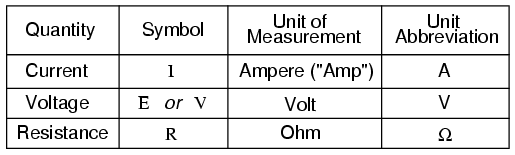
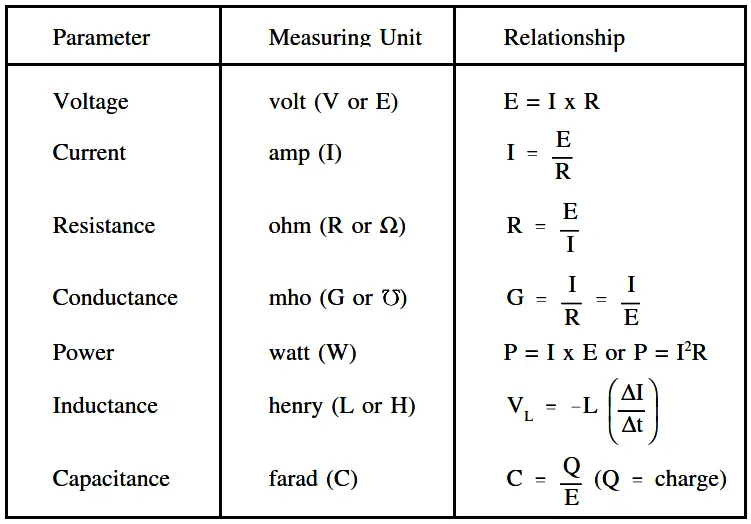
So, what exactly is an amp? Imagine electricity as water flowing through a pipe. The amp measures the amount of water flowing per second. The more water flowing, the stronger the current. A small phone charger might output 1 or 2 amps, while a powerful appliance like a washing machine might draw 10 or 15 amps. There are also variations! You might see terms like "milliampere" (mA), which is one-thousandth of an amp, used for very small currents in sensitive electronics. Think of it like using millimeters instead of meters for measuring something tiny.
Must Read
Getting started with understanding amps is easier than you think! A simple way is to look at the labels on your electronic devices and their chargers. Notice the numbers followed by the letter "A" or "mA". This tells you how much current the device needs or how much the charger can provide. Another great way is to use a multimeter. These handy devices can measure voltage, current (in amps), and resistance in circuits. You can find inexpensive multimeters online or at most hardware stores. Start with simple circuits, like a battery and a lightbulb, and practice measuring the current flowing through it. There are tons of online tutorials that can guide you step-by-step.
Understanding amps might seem intimidating at first, but it's a surprisingly accessible and useful piece of knowledge. Whether you're trying to understand how your phone charges or building your own robot, knowing the basics of electric current and how it's measured can empower you to understand and interact with the technology around you. So go ahead, take a look at those labels, grab a multimeter, and start exploring the fascinating world of amps! You might be surprised at how much you enjoy it.