What Is The Unit Of Measure For Electrical Power
Ever wondered what really makes your phone charger hum with life, or why your energy bill seems to fluctuate more wildly than a pop star's career? The answer, in a nutshell, lies in understanding electrical power. But fear not, this isn't about burying you in textbooks; it's about unlocking a secret key to understanding the electrifying world around us. Think of it like this: electrical power is the unseen force that makes your lights shine, your music play, and your coffee brew. It's the unsung hero of the modern age, and understanding its unit of measure can be surprisingly fun and empowering.
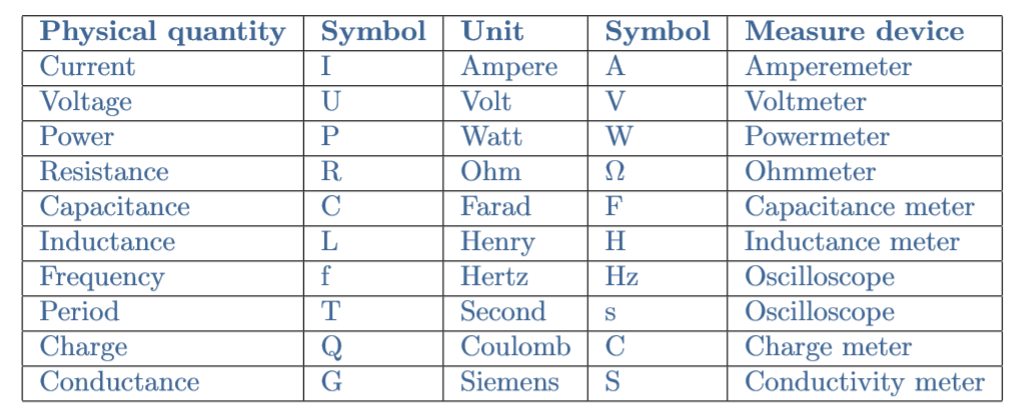
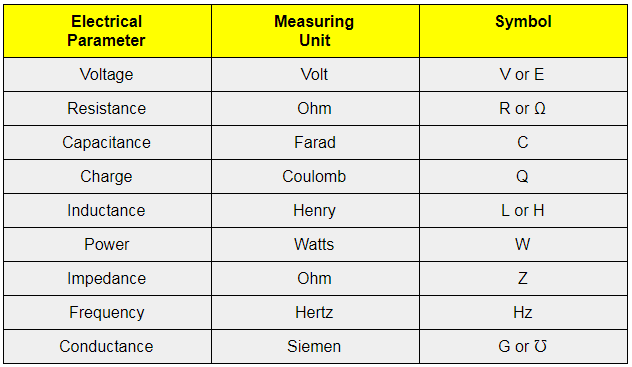
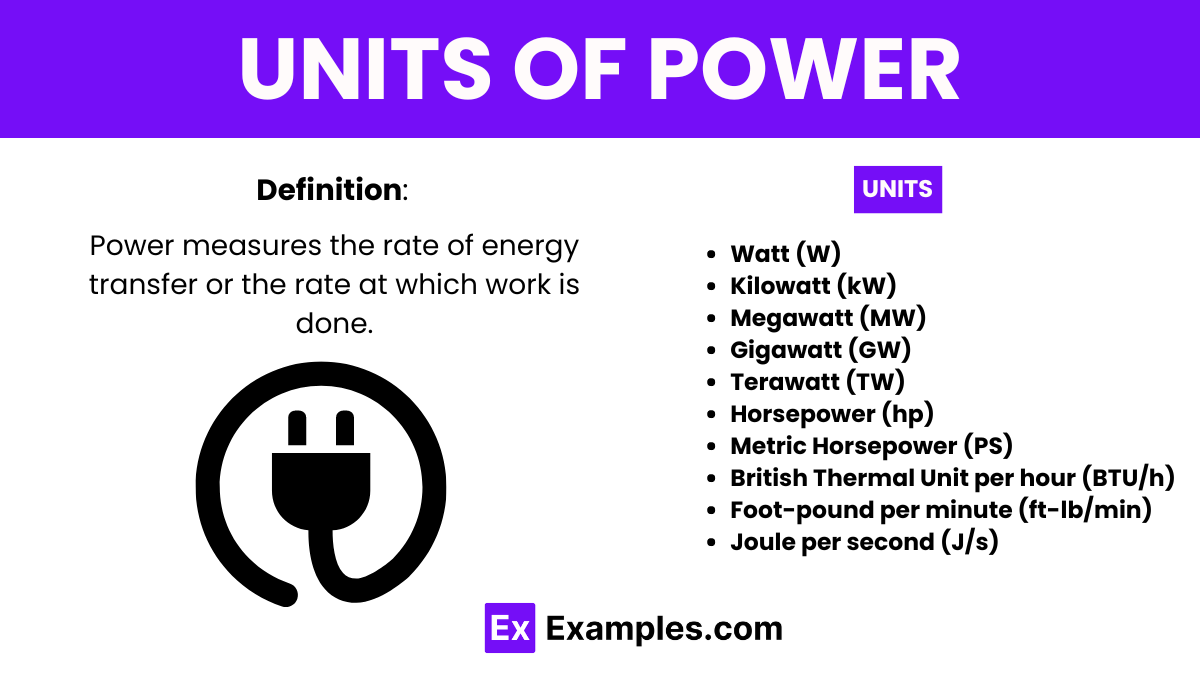
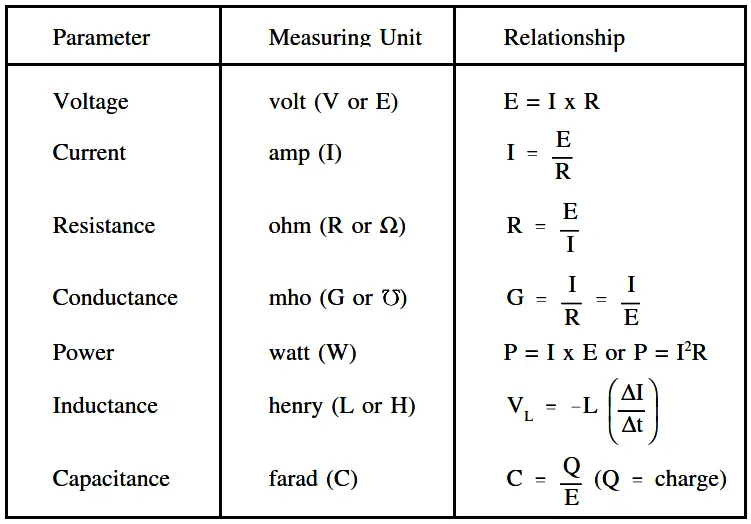
So, what is this magical unit? It's the Watt (symbol: W). Named after the brilliant Scottish inventor James Watt, it's a measure of how quickly electrical energy is being used or transferred. Think of it as the rate at which electricity does work. The higher the wattage, the more power is being consumed or produced. For artists, hobbyists, and curious minds, grasping the Watt opens up a world of possibilities. Imagine an artist crafting intricate illuminated sculptures, precisely calculating the wattage needed for each LED to achieve the perfect glow. Or a hobbyist building a custom sound system, carefully selecting amplifiers with the appropriate wattage to deliver a concert-worthy experience. Even for casual learners, knowing that a 100W lightbulb uses more power than a 10W LED helps to make informed choices about energy consumption and saving money.
Let's look at some everyday examples. A typical incandescent lightbulb might be rated at 60W, while a modern LED bulb producing the same brightness might only use 8-10W. This highlights the efficiency of newer technologies. A microwave oven can draw upwards of 1000W when in use, showcasing the power needed for rapid heating. And that smartphone charger? It probably only uses a few Watts, but it patiently sips power over hours to keep you connected. The fascinating thing is the sheer range: from the tiny fractions of a Watt used by a smartwatch, to the massive megawatt outputs of power plants.
Must Read
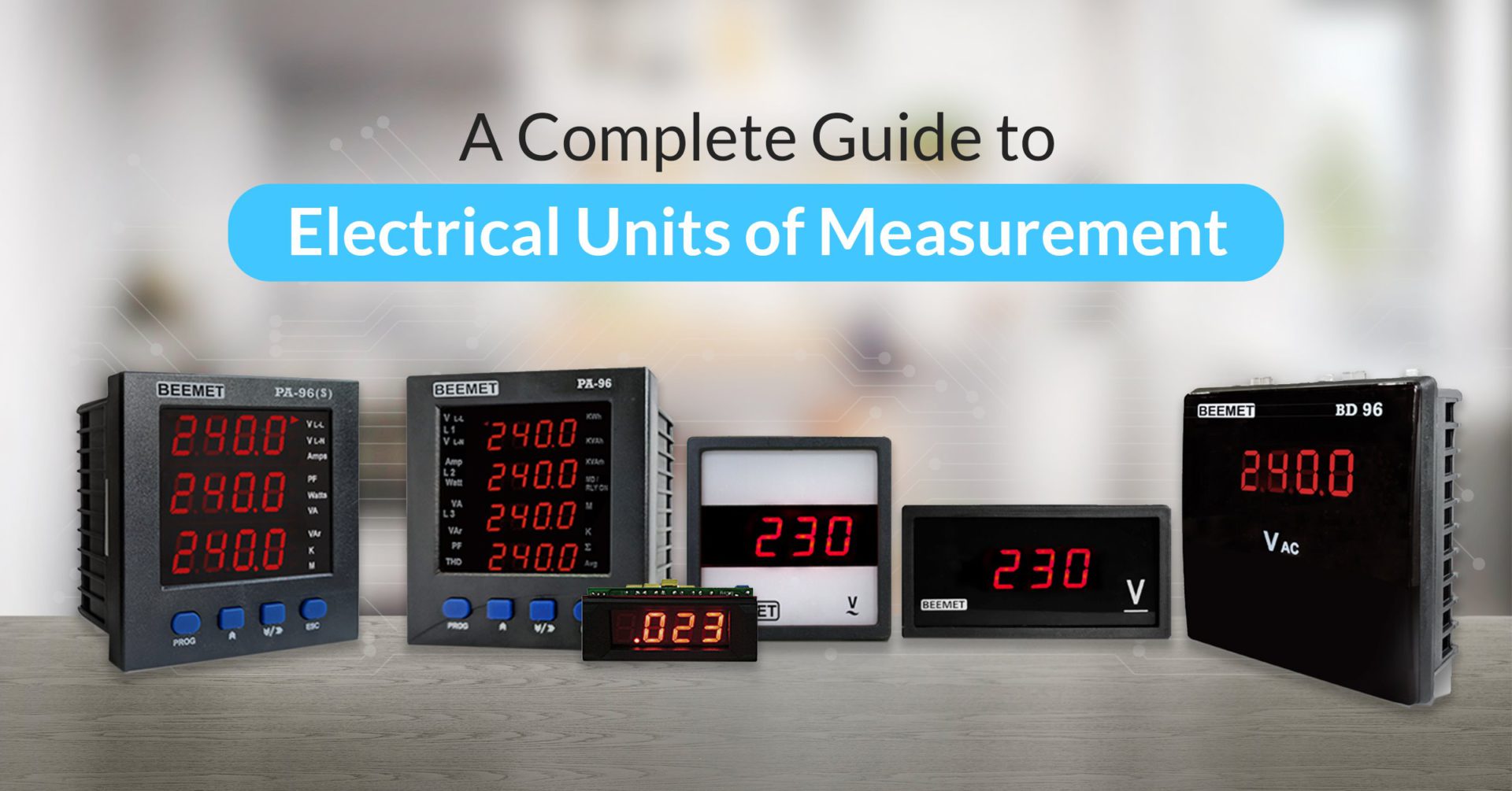
Want to experiment at home? Grab an energy monitor – these inexpensive devices plug into your wall outlet and measure the wattage being used by anything plugged into them. Try comparing the power consumption of different appliances: an old toaster versus a new one, or a television on standby versus completely switched off. You might be surprised by what you discover. Websites like Energy Star provide detailed information on the wattage ratings of various appliances, allowing you to compare models and make informed decisions when purchasing new items. Remember, lower wattage often translates to lower energy bills and a smaller environmental footprint.
Ultimately, understanding the Watt isn't just about technical specifications; it's about empowering yourself with knowledge. It's about making informed choices, appreciating the ingenuity behind everyday technology, and perhaps even inspiring your own creative projects. Once you start seeing the world through the lens of wattage, you'll find a new level of appreciation for the energy that powers our lives. And who knows, maybe you'll even become a household hero, armed with the knowledge to conquer those pesky energy bills! The journey to understanding electrical power is surprisingly enjoyable, and starts with simply knowing the name of its unit – the mighty Watt.