
What Is The Typical Wattage Of A Refrigerator
Ever wondered how much electricity that silent giant in your kitchen, your refrigerator, actually uses? It might seem like a boring topic, but understanding the wattage of your refrigerator can be surprisingly interesting! It's all about saving money, being more energy efficient, and even understanding how to power your fridge during a power outage. Plus, knowing this stuff makes you feel a little bit like a home improvement ninja!
Why should you care about refrigerator wattage? Well, for beginners, it's a simple way to understand where your electricity bill is coming from. Your fridge runs 24/7, so it’s a major consumer. For families, understanding wattage helps you choose energy-efficient models when it's time to replace your old one, saving you money in the long run. And for hobbyists, like those interested in off-grid living or using solar power, knowing the wattage is crucial for sizing your power system correctly. You wouldn't want your fridge to suddenly go on strike in the middle of summer!
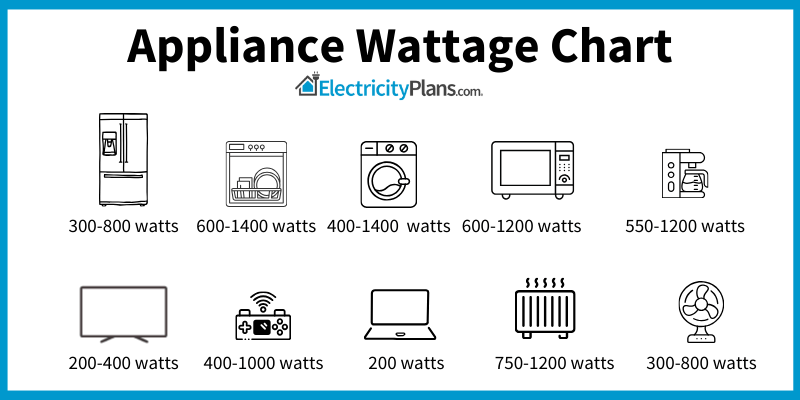
So, what's the typical wattage? Most refrigerators use between 100 and 400 watts. However, this range can vary depending on several factors. Smaller refrigerators, like mini-fridges often found in dorm rooms or offices, will typically use less power, perhaps around 100-150 watts. Larger, side-by-side refrigerators with features like ice makers and water dispensers, will use more, closer to the 300-400 watt range. Old refrigerators, even if they are a standard size, will generally use more energy than new energy-efficient models. Think of it like an old car compared to a new one – technology has come a long way! Also, a fridge that's struggling to keep cool because it's old and worn out will have to work harder and use even more watts.
Must Read
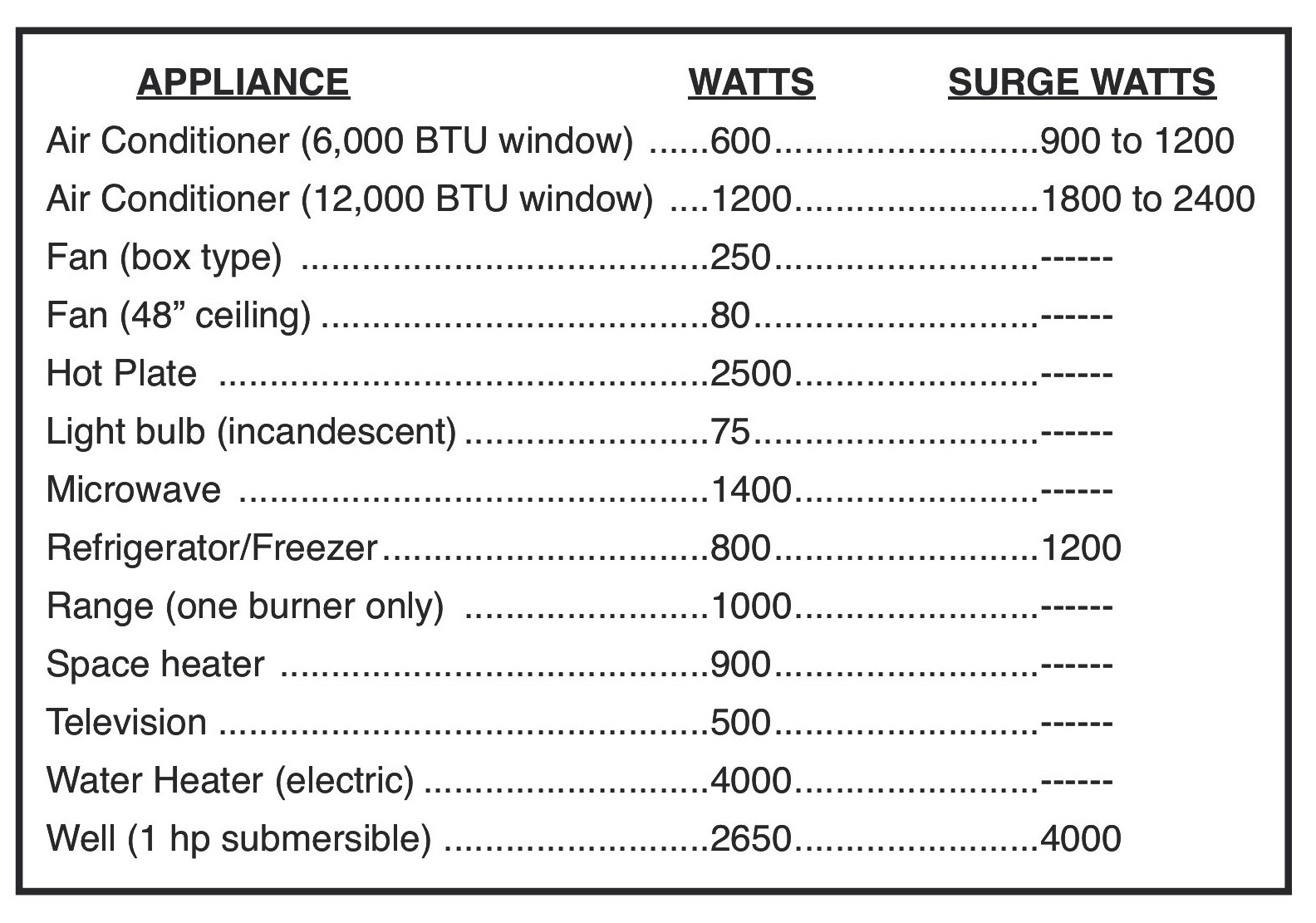
Another important distinction is between running wattage and starting wattage. The running wattage is the power the refrigerator uses to maintain its temperature. The starting wattage is the brief surge of power it needs when the compressor kicks on. This can be 2-3 times higher than the running wattage, so it’s important to consider this, especially if you are planning to run it on a generator or backup power source.

Here are a few simple tips to get you started with understanding your refrigerator's energy usage: * Check the energy guide label: Most refrigerators have an EnergyGuide label that provides an estimate of annual energy consumption. This is a great place to start. * Use a Kill A Watt meter: You can plug your refrigerator into a Kill A Watt meter to measure its actual energy consumption over a period of time. * Ensure proper ventilation: Make sure your refrigerator has enough space around it for proper ventilation. This helps it run more efficiently. * Keep the coils clean: Dust and debris can build up on the refrigerator coils, making it work harder. Clean them regularly.
Understanding the wattage of your refrigerator is a simple but powerful way to take control of your energy consumption. It's about making informed decisions, saving money, and contributing to a more sustainable lifestyle. Plus, you can impress your friends with your newfound knowledge about the unsung hero of your kitchen! So go forth, explore your refrigerator's energy usage, and enjoy the feeling of being a savvy, energy-conscious homeowner.

![Mini Fridge Wattage [1,494+ Units | Most Efficient Revealed]](https://ecocostsavings.com/wp-content/uploads/2023/04/mini-fridge-wattage-examples.jpg)