
What Is The Temperature Of An Average Refrigerator
/GettyImages-533592578-57e681ce3df78c690fb17ca4.jpg)
Ever wondered what temperature your refrigerator is supposed to be? It's not exactly the kind of thing that keeps you up at night, right? But knowing the sweet spot can save you from some seriously funky surprises in your crisper drawer.
The Goldilocks Zone: Not Too Hot, Not Too Cold
Think of your fridge as Goldilocks's vacation home. Too hot, and the bacteria throw a rave. Too cold, and your lettuce turns into sad, soggy ice sculptures. You need to find that just right temperature.
So, what exactly is that magical number? Generally, you're aiming for between 37°F (3°C) and 40°F (4°C). That's the temperature range where food stays fresh, bacteria growth slows down, and your yogurt doesn't become a frozen wasteland.
Must Read
Why This Range Matters
Think of it this way: your fridge is basically a tiny climate-controlled biosphere. And just like the Earth, it needs to maintain a certain temperature to support life... food life, that is! If it's too warm, you're basically giving bacteria a five-star resort to multiply in.
On the other hand, if it's too cold, you'll find yourself with frozen vegetables and crystallized condiments. Which, let's be honest, is no one's idea of a good time. A good range will help you prevent freezer burn and prevent food from going bad too quickly!
The Great Refrigerator Thermometer Caper
Okay, so now you know the ideal temperature. But how do you actually know what your fridge is doing? The dial on the front might say "medium," but what does that really mean? Time for a little detective work!
Grab yourself a refrigerator thermometer. They're cheap, easy to find at any grocery store, and will give you a much more accurate reading than relying on the fridge's own settings. These little devices become your eyes and ears of the refrigerator.
Place the thermometer in the middle of your fridge, not near the door or in the freezer compartment. Those areas can fluctuate more in temperature. Then, wait about 24 hours for it to give you a stable reading.
Adjusting the Dial of Destiny
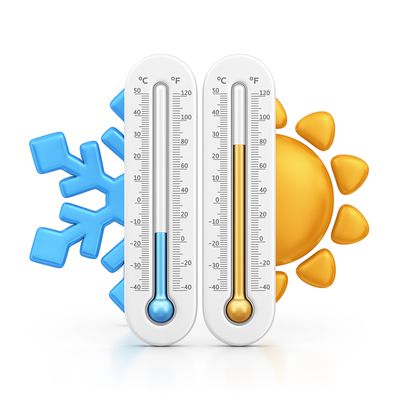
If your thermometer reads higher than 40°F (4°C), turn the fridge setting down a notch. If it's below 37°F (3°C), turn it up a bit. Check the thermometer again the next day and repeat until you hit that sweet spot.
This might seem like a bit of a hassle, but trust me, it's worth it. You'll be saving yourself from food spoilage, and maybe even some unpleasant stomachaches. It's like giving your refrigerator a regular health check-up!
The Refrigerator Etiquette Guide
Now that you're a refrigerator temperature expert, let's talk about some other ways to keep your food fresh and your fridge happy. It's not just about the temperature; it's about good refrigerator etiquette.
First and foremost, don't overcrowd your fridge! Like a crowded subway car, too much stuff crammed in there restricts airflow and can make it harder for the fridge to maintain a consistent temperature. Make sure cool air can circulate.
Also, be mindful of where you put things. The door shelves tend to be the warmest, so they're best for condiments and drinks that can handle temperature fluctuations. Store milk and other perishables on the shelves in the back, where it's coldest.
The Hot Food Dilemma
Ah, the age-old question: Can you put hot food in the fridge? The answer is… it depends! Letting food cool a bit before refrigerating it can help prevent the fridge temperature from rising too much. But don't let it sit out for more than two hours, or you're inviting bacteria to the party.
Instead, consider portioning out the hot food into smaller containers. These smaller portions will cool faster, minimizing any temperature fluctuations in your refrigerator. This is especially important when dealing with large amounts of leftovers.
The Fridge and Your Health
Keeping your fridge at the right temperature isn't just about keeping your food tasty; it's also about keeping you and your family safe. Foodborne illnesses are no joke, and many of them can be prevented simply by maintaining the proper fridge temperature.
Harmful bacteria like Salmonella, E. coli, and Listeria thrive in warmer temperatures. By keeping your fridge cool, you're slowing down their growth and reducing the risk of getting sick. That's right, your refrigerator is kind of like a miniature public health superhero!
Think of it as an investment in your well-being. A few minutes of thermometer-checking and dial-adjusting can save you from days of discomfort and potentially serious health complications. A happy fridge is a happy tummy.
Signs Your Fridge Needs Help
Sometimes, even with the best intentions, your fridge might start to malfunction. Here are a few warning signs that your refrigerator might need some attention, maybe even a professional intervention:
First, if you notice that food is spoiling faster than usual, that's a major red flag. Second, if your fridge is making strange noises, like loud humming or clicking, it could indicate a problem with the compressor. Lastly, if the outside of your fridge feels unusually warm, it could be a sign of a faulty condenser coil.
Beyond the Box: The History of Refrigeration
While we're on the subject of refrigerators, did you know that the concept of refrigeration has been around for centuries? Before electric fridges, people used all sorts of ingenious methods to keep their food cool, from ice cellars to evaporative coolers.
The first commercially successful electric refrigerator was invented in the early 20th century, revolutionizing the way we store food. Imagine life without a fridge! No more spontaneous ice cream cravings, no more cold leftovers, just a whole lot of salted and dried food.
We have come a long way in our food preservation techniques. So, take a moment to appreciate the modern marvel that is your refrigerator, and give it a little temperature check. It's the least you can do for the unsung hero of your kitchen!

The Future of Food Storage
Refrigerators are constantly evolving, with new technologies being developed to keep our food even fresher and reduce food waste. From smart fridges that can order groceries automatically to advanced cooling systems that minimize temperature fluctuations, the future of food storage is looking pretty cool.
These advancements promise to not only make our lives easier, but also to help us reduce our environmental impact. By keeping our food fresher for longer, we can waste less and contribute to a more sustainable future. The future involves intelligent food storage.
A Cold Conclusion
So, there you have it! The average refrigerator temperature is between 37°F (3°C) and 40°F (4°C). Keeping your fridge in this range is not only essential for food safety and freshness, but also for your overall health and well-being.
Now, go forth and conquer your refrigerator! Grab a thermometer, adjust those dials, and become the master of your own culinary climate. Your food will thank you, and your stomach will thank you even more. Don't forget that 37-40°F is key!
Remember, a happy fridge is a happy life! And who knows, maybe you'll even impress your friends with your newfound refrigerator knowledge. It's definitely a conversation starter at your next dinner party. Enjoy the journey!