
What Is The Temperature Of A Freezer And Refrigerator
/GettyImages-533592578-57e681ce3df78c690fb17ca4.jpg)
Ever wonder about the secret lives of your fridge and freezer? They're not just boxes that keep food cold! They're temperature-controlled wonderlands, each with its own chilly personality.
The Fridge: A Chilled Out Hangout
Think of your refrigerator as the ultimate chill zone. It's where your milk sips a cool drink and your lettuce does the limbo to stay crisp.
But what's the perfect temperature for this cool hangout? Well, aim for between 37°F (3°C) and 40°F (4°C). It's like Goldilocks and the Three Bears – not too hot, not too cold, but just right for keeping your goodies fresh.
Must Read
Why is this temperature range so important?
This range is the sweet spot! It slows down bacterial growth. Imagine tiny little party crashers that love to spoil your food - we need to keep them at bay.
Below 40°F (4°C), these little guys are forced to put on their winter coats and slow down their partying. That means your leftovers last longer, and your veggies stay perky.
If your fridge is too warm, you're basically throwing a rave for bacteria. And trust me, you don't want that kind of party in your food!
The Freezer: A Deep Freeze Adventure
Now, let's dive into the frosty world of your freezer! It's the ultimate ice palace, where frozen peas dream of snowy mountains and ice cream plots its escape.
This is where things get seriously cold! The magic number for your freezer is 0°F (-18°C).
It's not just about being cold, it's about preserving food for the long haul. Think of it as putting your food in a time capsule, preserving all that deliciousness.
Why such a low temperature?
At 0°F (-18°C), water turns into ice. This is a critical detail that keeps food safe. Food is kept safe by stopping microbial growth completely.
When water freezes, it's like putting those pesky bacteria into a deep slumber, they can't do any damage. Your food can then stay safe and tasty for months!
Imagine a delicious homemade soup! Putting in the freezer allows you to enjoy it months later. Your future self will thank you!
Temperature Checks: Are Your Appliances Happy?
So, you know the ideal temperatures. How do you make sure your fridge and freezer are actually hitting those targets? It's time for a little detective work!
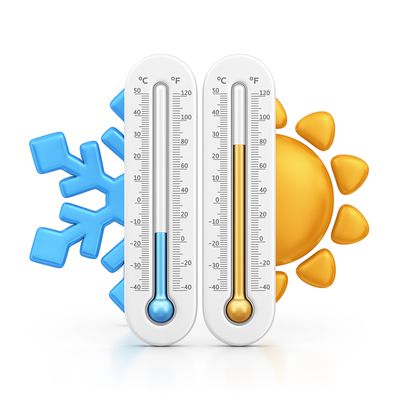
Grab a trusty thermometer! The simple kind works just fine.
Place it in a glass of water in the fridge or between frozen packages in the freezer. After a few hours, check the reading.
Is everything within the target range? Great! Your appliances are happy campers.
But if things are off, don't panic! There are a few things you can do. Adjust the temperature settings. Make sure the doors are sealing properly.
A full fridge and freezer actually help maintain temperature. Empty space is harder to keep cold.
When To Call In The Professionals
Sometimes, your fridge and freezer might need a little extra help. If you've tried everything and the temperature still isn't right, it might be time to call in the pros.
They're like appliance whisperers, able to diagnose and fix any issues. It could be a faulty thermostat, a broken compressor, or something else entirely.
Don't let a malfunctioning appliance ruin your food or your peace of mind. Get it checked out!
The Weird and Wonderful World of Food Storage
Beyond temperature, there's a whole universe of food storage tips and tricks to explore. Did you know that some fruits and vegetables release ethylene gas, which can speed up ripening in other produce?
That's why it's best to store them separately! You can also use special produce bags to absorb ethylene gas and keep your fruits and veggies fresher for longer.
And what about storing leftovers? Always cool them down quickly before putting them in the fridge. This helps prevent bacterial growth.
Keep it Cool and Carry On
So there you have it! The temperature secrets of your fridge and freezer, revealed! Keeping your food at the right temperature is key to food safety and freshness.
With a little bit of knowledge and a trusty thermometer, you can keep your appliances happy and your food safe and delicious!
Go forth and conquer your kitchen! Embrace the power of temperature control and enjoy the fruits (and vegetables!) of your labor.
Bonus Tip: The "Danger Zone"
It's important to be aware of the "danger zone" for food. This is the temperature range between 40°F (4°C) and 140°F (60°C). Bacteria love to party in this range!
That's why it's important to keep hot foods hot and cold foods cold. Don't let your food linger in the danger zone for too long.
When in doubt, throw it out! It's better to be safe than sorry when it comes to food safety.
Refrigerator Organization: A Tetris Game of Food
Think of your refrigerator as a carefully curated art gallery. Each item has its place, and the overall composition should be pleasing and functional.
But let's be honest, most of our fridges are more like a Tetris game of leftovers and condiments. Maximizing space and keeping things organized can actually improve efficiency.
Use clear containers to see what's inside. Label everything with the date. And keep an inventory so you don't forget about those hidden gems!
Freezer Burn: The Villain of Frozen Food
Ah, freezer burn, the bane of every frozen food lover's existence. Those icy, crystallized patches on your favorite ice cream or frozen veggies are a sign that moisture has escaped.
While freezer-burned food is still safe to eat, the texture and flavor can be compromised. The taste suffers as food is allowed to dry out.
Prevent freezer burn by wrapping food tightly in airtight containers or freezer bags. Get as much air out as possible before sealing.
The Future of Refrigeration: Smart Appliances
The future of refrigeration is here! Smart appliances are revolutionizing the way we store and manage our food.
Imagine a fridge that can track your food inventory. A fridge that suggests recipes based on what you have on hand. That's the power of smart technology!
Some smart fridges even have built-in cameras so you can see what's inside without even opening the door. It's like having a personal food assistant!
Embrace the Chill!
So, now that you're armed with all this knowledge, go forth and embrace the chill! Your fridge and freezer are your allies in the quest for fresh, safe, and delicious food.
Take care of them, and they'll take care of you.
And remember, a well-maintained fridge and freezer is a happy fridge and freezer!
The Mystery of the Crisper Drawers
Let's not forget the crisper drawers! Those mysterious compartments at the bottom of your fridge. What exactly are they for, and how do you use them effectively?

Most fridges have two crisper drawers: one for high humidity and one for low humidity. High humidity is for leafy greens and other vegetables that wilt easily.
Low humidity is for fruits that produce ethylene gas, which can cause other produce to ripen too quickly. So, separate your apples from your lettuce!
Defrosting Dilemmas: The Right Way to Thaw
Proper defrosting is just as important as proper freezing. Thawing food at room temperature is a big no-no! It's a recipe for bacterial growth. Never leave food out at room temperature to defrost.
The best way to thaw food is in the refrigerator. It's slow and steady, but it's the safest option. You can also thaw food in cold water, changing the water every 30 minutes.
And if you're in a hurry, you can thaw food in the microwave, but be sure to cook it immediately afterward.
Ice Cream Storage: A Frozen Treat's Journey
Let's talk about ice cream! That delicious frozen treat deserves special attention. Storing ice cream properly is key to maintaining its creamy texture and preventing freezer burn.
When you take ice cream out of the freezer, try not to let it sit at room temperature for too long. It is important to keep it cold at all times.
Press a layer of plastic wrap directly onto the surface of the ice cream before putting the lid back on. This helps prevent ice crystals from forming.
Conclusion: A Temperature Tango
Maintaining the right temperature in your fridge and freezer is like dancing a tango with your appliances. It requires a little bit of knowledge, a little bit of practice, and a whole lot of attention.
But once you get the hang of it, you'll be waltzing your way to food safety, freshness, and deliciousness. So, put on your dancing shoes and get ready to chill!
Now go forth and embrace the cool life!