
What Is The Temperature In Georgia Right Now
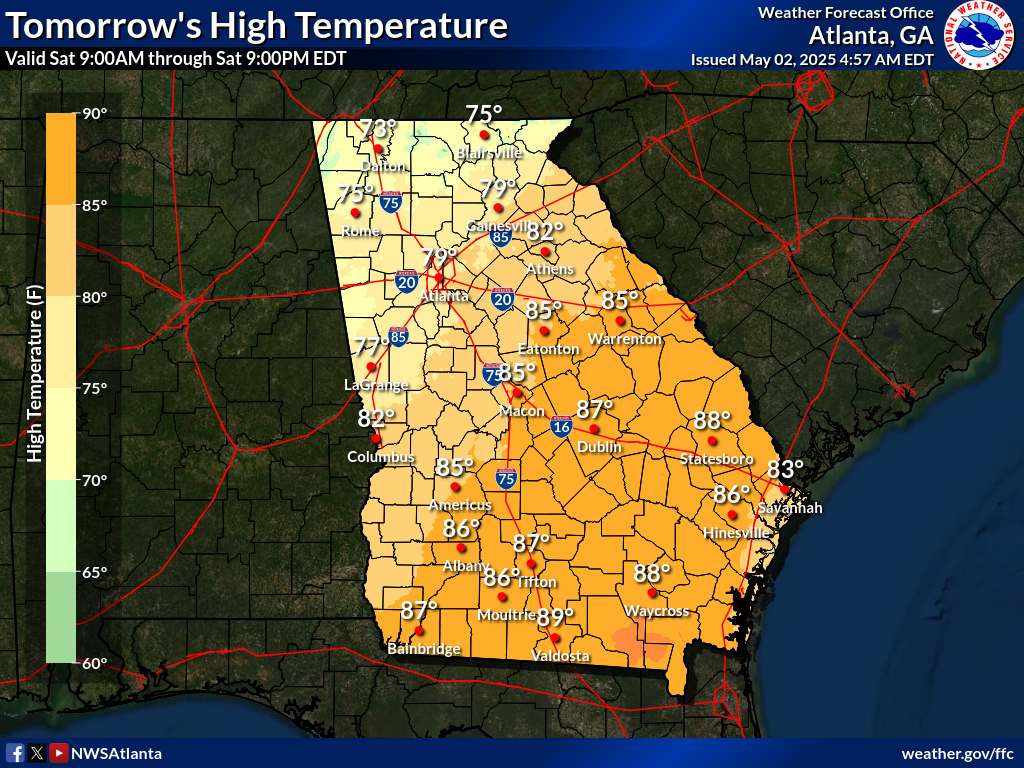
Ever wonder what folks in Georgia are wearing right now? Is it sundress weather? Maybe time for a light jacket? Or perhaps even…gasp…a parka?! It all boils down to one thing: the temperature!
Let's face it, figuring out the temperature in Georgia isn't as simple as checking one thermometer. It's a big state! Think rolling hills in the north versus the sandy beaches down south. That's a recipe for weather variety!
Georgia's Temperature: A Statewide Snapshot
So, how warm – or chilly – is it in the Peach State today? Well, if you're picturing one giant thermometer hovering over the entire state, erase that image! Let's break it down by region.
Must Read
North Georgia: Mountain Majesty (and Maybe a Chill)
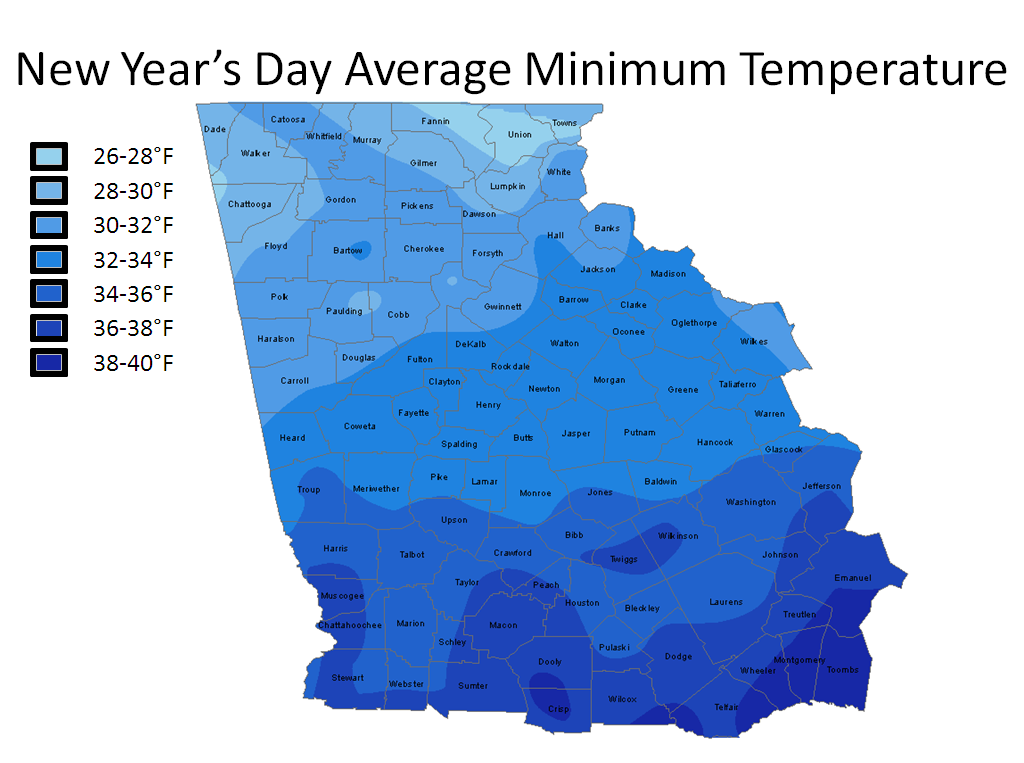
Up in the mountains, near places like Blue Ridge and Helen, the temperature tends to be cooler. Think crisp air, especially during the fall and winter months. You might find folks sporting cozy sweaters and sipping hot cocoa!
Don't be surprised if you see some frost on the ground in the mornings, even when the sun is shining. Pack layers if you're heading up north for a hike or a scenic drive.
Central Georgia: A Little Bit of Everything
Moving down to central Georgia, around cities like Atlanta and Macon, the weather becomes a bit more…well, moderate. It’s not quite as chilly as the mountains, but it's also not as scorching as the coast.
This area often experiences a mix of everything – sunny days, occasional rain showers, and even the occasional heat wave. Always good to be prepared for anything!
You'll likely see a diverse range of outfits, from shorts and t-shirts to jeans and light jackets. The key is adaptability!
South Georgia: Coastal Breezes and Sunny Skies
Down near the coast, in cities like Savannah and Brunswick, the temperature tends to be warmer and more humid. Expect long, hot summers and mild winters.

This is where you're most likely to find people enjoying the beaches and soaking up the sun. Think sunglasses, sunscreen, and maybe a refreshing iced tea!
Even in the winter, the temperature rarely dips below freezing. It's a popular destination for those seeking a warm getaway.
Finding the Temperature in Your Specific City
Okay, so we've covered the general regions. But what if you want to know the exact temperature in a specific city in Georgia right now? Fortunately, there are tons of resources available!
The Power of the Internet
The easiest way to find the current temperature is to simply do a quick search online. Type "[City Name], Georgia temperature" into your favorite search engine, and you'll instantly get the latest information.
Most weather websites and apps also provide hourly forecasts, so you can see how the temperature is expected to change throughout the day.
Be sure to check multiple sources to get a more accurate reading. Different weather services may use slightly different data.
Local News and Weather Channels
Your local news station is another great resource for weather information. Tune in to their broadcasts or visit their website for the latest forecasts and temperatures.
Many news channels also have weather apps that you can download to your phone or tablet. These apps often provide real-time alerts and warnings about severe weather conditions.
Weather Apps Galore!
Speaking of apps, there are countless weather apps available for both iOS and Android devices. Some popular options include The Weather Channel, AccuWeather, and WeatherBug.
These apps often offer a wide range of features, such as radar maps, severe weather alerts, and even personalized forecasts based on your location.
Find one that you like and download it to your phone so you can always stay informed about the weather.
Beyond the Thermometer: Experiencing Georgia's Weather
While knowing the temperature is important, it's also fun to experience the weather firsthand. Georgia has something to offer every season!
Spring: Blossoms and Blooms
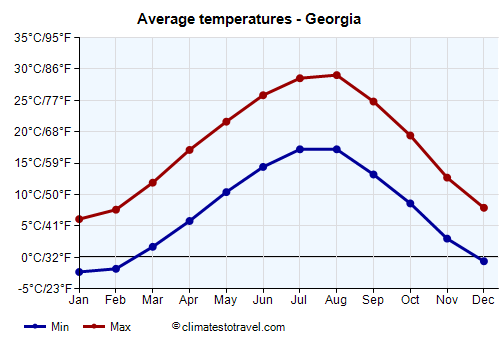
Spring in Georgia is a time of renewal and beauty. The trees and flowers are in full bloom, and the air is filled with the sweet scent of blossoms. This is a great time to visit botanical gardens or go for a hike in the mountains.
The temperature is usually mild and comfortable, making it perfect for outdoor activities. Just be prepared for occasional rain showers!
Summer: Sunshine and Fun
Summer in Georgia is hot and humid, but that doesn't stop people from enjoying the outdoors. Head to the lake for a swim, go tubing down a river, or visit one of the state's many water parks.
Stay hydrated, wear sunscreen, and take breaks in the shade to avoid overheating. And don't forget the bug spray!
Autumn: Colors and Coolness
Autumn is arguably the most beautiful time of year in Georgia, especially in the mountains. The leaves turn vibrant shades of red, orange, and yellow, creating a stunning landscape. The temperature is cool and crisp, making it perfect for hiking and camping.
Visit an apple orchard or a pumpkin patch for some fall fun. And be sure to take lots of pictures!

Winter: Mild and Mellow (Mostly)
Winter in Georgia is generally mild, especially in the southern part of the state. Snow is rare, but it does happen occasionally, especially in the mountains. This is a great time to visit museums, art galleries, or other indoor attractions. Or cozy up by the fireplace with a good book!
Even in the winter, there are plenty of sunny days to enjoy. Take a walk along the beach or explore a local park.
The Takeaway: Georgia's Weather is Always Interesting
So, whether it's scorching hot down in Savannah or a bit chilly up in the Blue Ridge Mountains, Georgia's weather is always something to talk about. It's a state of diverse landscapes and equally diverse weather patterns.
The temperature is more than just a number; it's a key ingredient in the Georgia experience. It shapes the way people dress, the activities they enjoy, and even their moods.
So next time you're curious about the temperature in Georgia, remember that it's not just one thing. It's a fascinating story of regional differences, seasonal changes, and the ever-present beauty of the Peach State.
Remember to check trusted sources like The National Weather Service for accurate and up-to-date information. And always be prepared for unexpected weather changes!