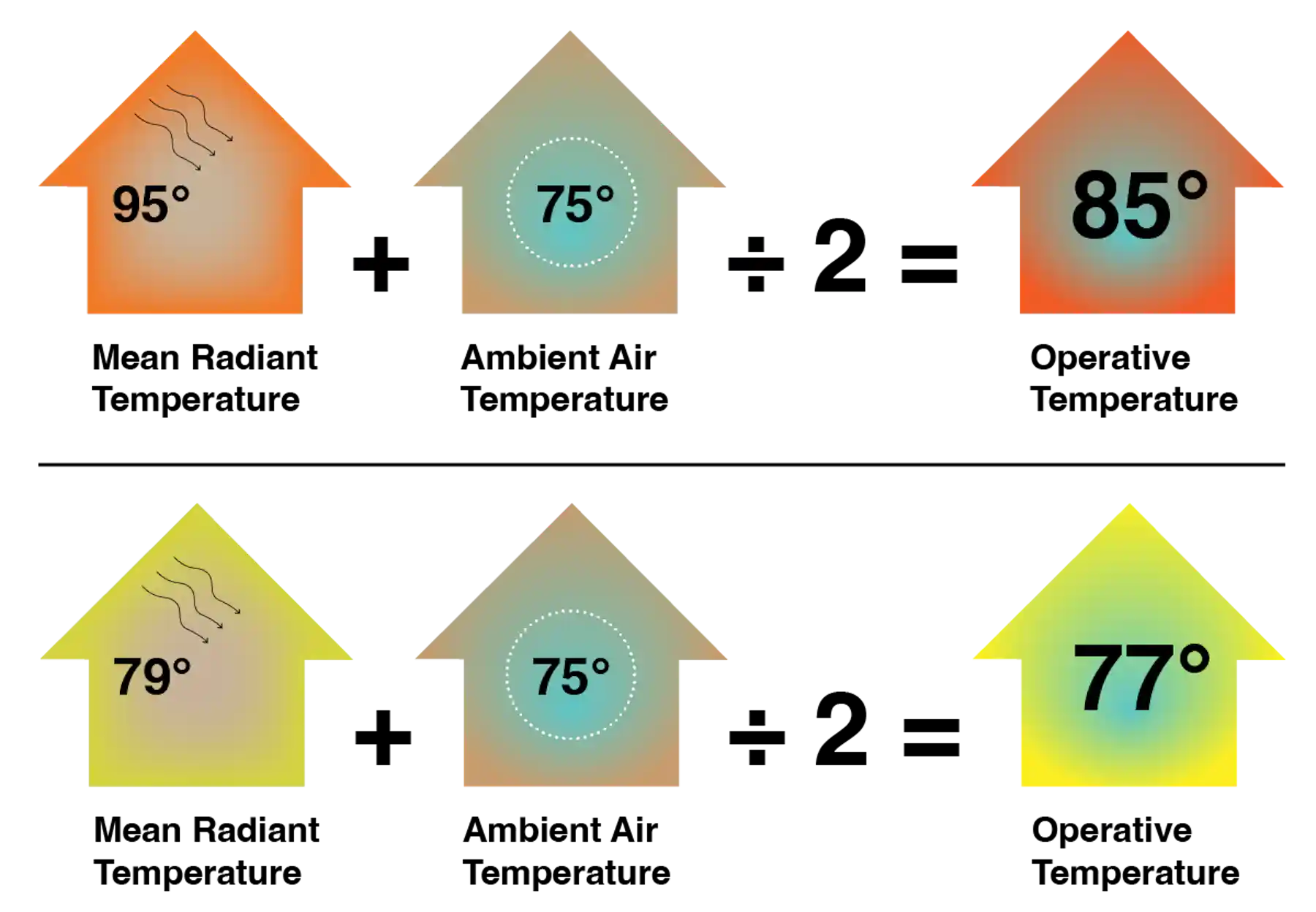
What Is The Temp In My House
Ah, the eternal question! You step through your front door, key still in hand, and immediately a question forms in your mind: "What is the temp in my house?" It’s a query as old as shelter itself, and surprisingly, it's not just about comfort. Knowing the temperature in your home is a surprisingly fun and incredibly useful piece of daily knowledge that impacts everything from your mood to your monthly bills.
Think about it: have you ever shivered under a blanket indoors during summer because the AC was on overdrive, or peeled off layers in winter because the heater made your living room feel like a desert? We’ve all been there! This isn't just about fleeting discomfort; it’s about finding that perfect sweet spot where your home truly feels like a sanctuary, not an oven or a freezer. Getting this right is a delightful little victory each day, and it's easier to achieve than you might think.
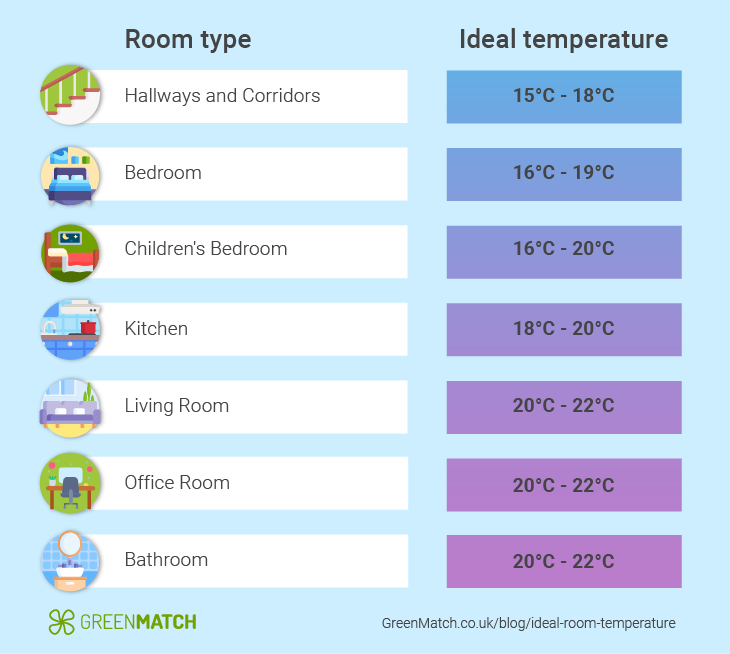
So, why should you care about this number beyond a momentary "brrr" or "phew"? The benefits are huge! Firstly, there's the obvious: comfort and well-being. A house that's too hot can lead to lethargy and restless nights, while one that's too cold can make you feel constantly on edge. Finding that ideal temperature zone, typically between 68-72°F (20-22°C), helps create an environment where you can relax, focus, and genuinely enjoy your time at home.
Must Read
Secondly, and perhaps most importantly for your wallet, is energy efficiency. Your heating and cooling systems are often the biggest energy guzzlers in your home. By actively knowing and managing your internal temperature, you can make informed decisions. A smart thermostat, for example, can learn your habits and adjust the temperature when you're away or asleep, preventing unnecessary energy waste. Even a simple, well-placed thermometer helps you avoid overshooting your ideal temperature and running up those utility bills. Just a few degrees can make a significant difference to your bank account – imagine what you could do with those savings!
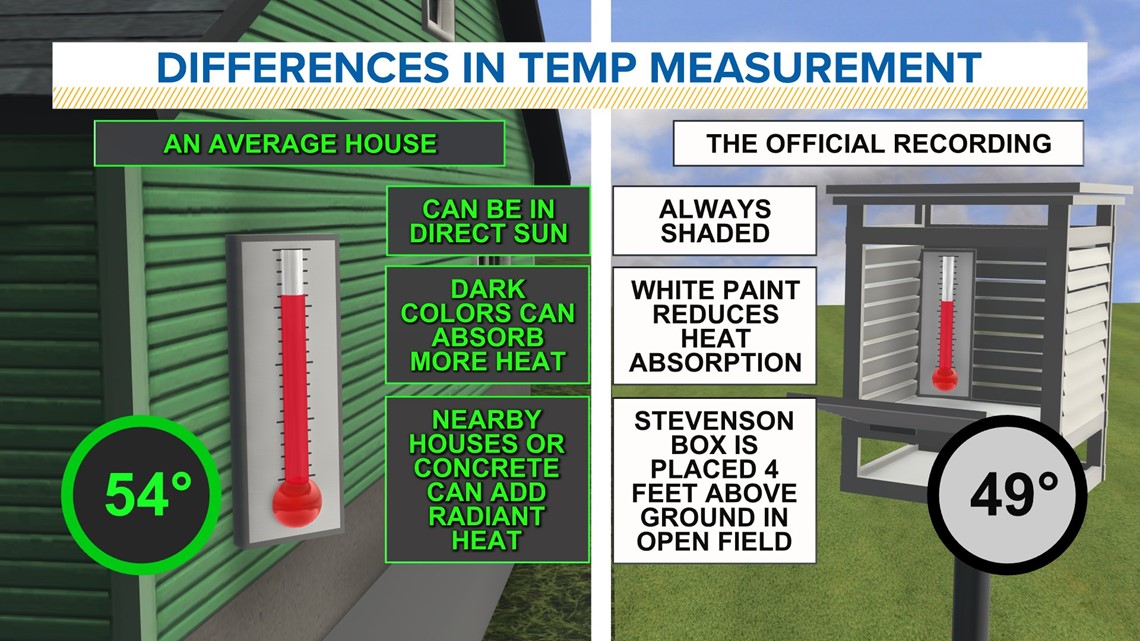
Beyond comfort and cost, understanding your home's temperature can also contribute to health and safety. Extreme temperatures, particularly for the very young, elderly, or those with certain health conditions, can be dangerous. Maintaining a stable, moderate indoor climate can help prevent heatstroke in summer or hypothermia in winter. It also helps preserve sensitive items in your home, like electronics or certain foods, by keeping them out of damaging temperature extremes.
So, how do you find out the magic number? It could be as simple as checking your old-school thermostat, peeking at a digital room thermometer, or diving into the app of your fancy new smart thermostat. The key isn't just knowing the number, but understanding what it means for your comfort, your bills, and your overall household harmony. Take a moment today to become temperature-aware. Your comfy, cost-effective, and happy home will thank you for it!