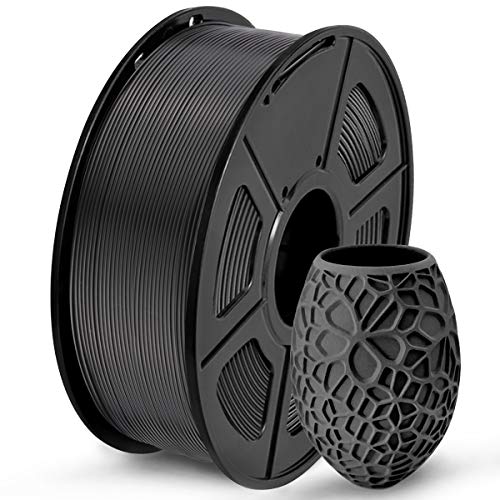
What Is The Strongest Filament For 3d Printing
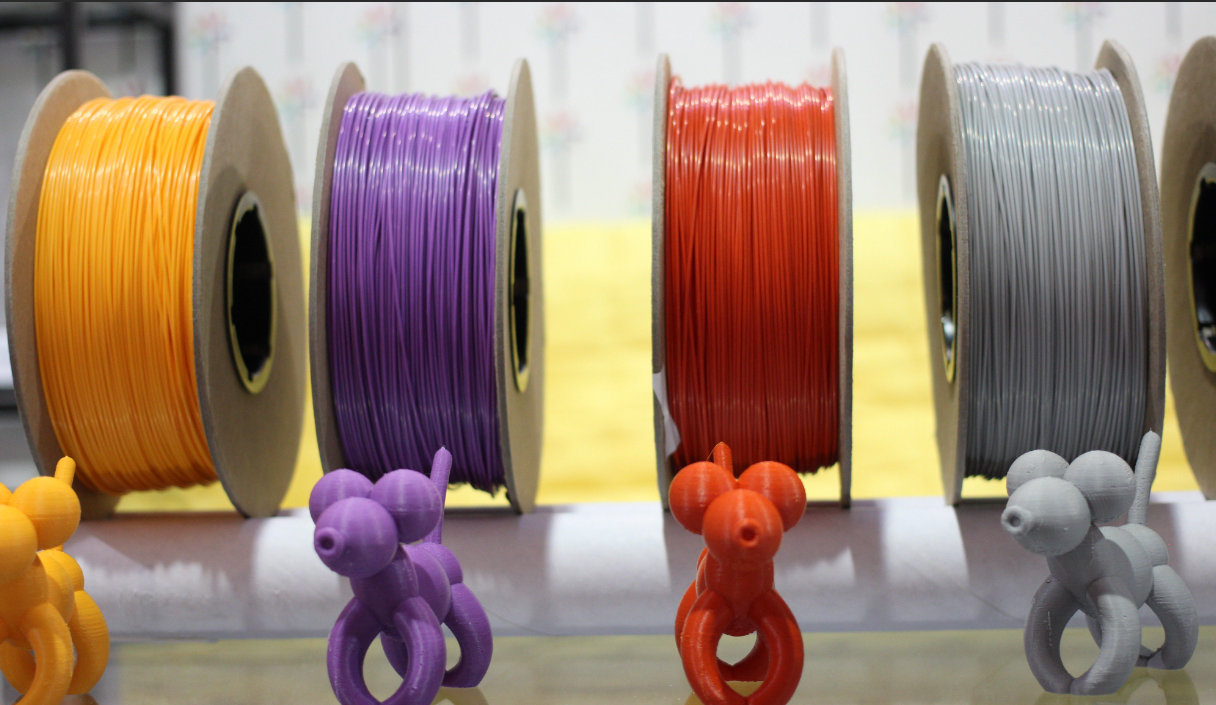
Alright, gather 'round, folks! Let's talk 3D printing filament, specifically, the stuff that can survive a zombie apocalypse (okay, maybe not, but we can dream, right?). You see, I once tried printing a phone case with the wrong kind of filament. Let's just say my phone ended up with more cracks than my sense of humor after a bad open mic night. So, naturally, I went on a quest to find the holy grail of 3D printing materials: the strongest filament!
The question isn't as simple as just shouting "Vibranium!" (though wouldn't that be awesome?). It's a bit like asking, "What's the best ice cream flavor?" Everyone's got their favorite, and it depends on what you're trying to do. So, let's dive in, shall we?
The Contenders: A Filament Face-Off!
First up, we have PLA (Polylactic Acid). This is the nice guy of the filament world. It's biodegradable (ish), smells like pancakes when printing (a delightful perk!), and is super easy to work with. Think of it as the Labrador Retriever of filaments. But… it's not exactly known for its brawn. It’s more “show” than “go” when it comes to pure strength. PLA is great for prototypes, models, and decorative items, but don’t expect it to survive a drop test from the roof.
Must Read
Next, we've got ABS (Acrylonitrile Butadiene Styrene). This is PLA's older, slightly more rebellious brother. ABS is tougher, more heat-resistant (important if you live anywhere sunny!), and generally more durable. It's like the leather jacket-wearing filament that rides a motorcycle. The downside? It can be a pain to print with. It's prone to warping and requires a heated bed. It's also got a distinctive odor during printing – less "pancakes" and more "industrial plastic." Still, it's a solid step up in strength from PLA.
Then there's PETG (Polyethylene Terephthalate Glycol-modified). Think of PETG as the agreeable, sporty cousin of ABS. It's got decent strength, good chemical resistance, and is relatively easy to print with. It’s like the filament that plays tennis on the weekends and still manages to hold down a respectable job. It bridges the gap between PLA and ABS nicely, offering a good balance of properties. Plus, it's often food-safe (check your specific filament!), so you can print yourself a fancy fork… if you're into that sort of thing.
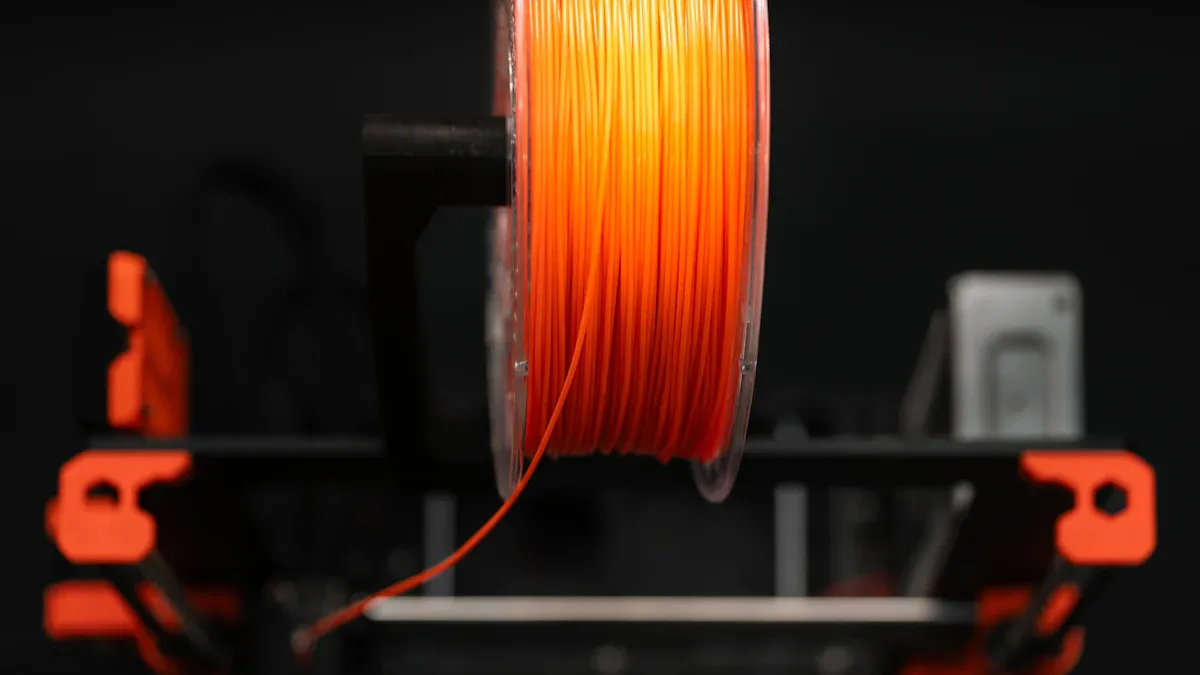
Stepping Up the Strength Game
Okay, now we're getting to the serious contenders. Let's talk about filaments designed to handle some real stress.
Nylon is where things start to get interesting. This stuff is tough, flexible, and abrasion-resistant. Think of it as the filament that wears hiking boots and climbs mountains on the weekends. It's perfect for functional parts, gears, and anything that needs to withstand wear and tear. The catch? It's hygroscopic, meaning it loves to absorb moisture from the air, which can lead to printing issues. You'll need to store it in a dry environment and possibly use a filament dryer. But the effort is worth it for the increased strength.
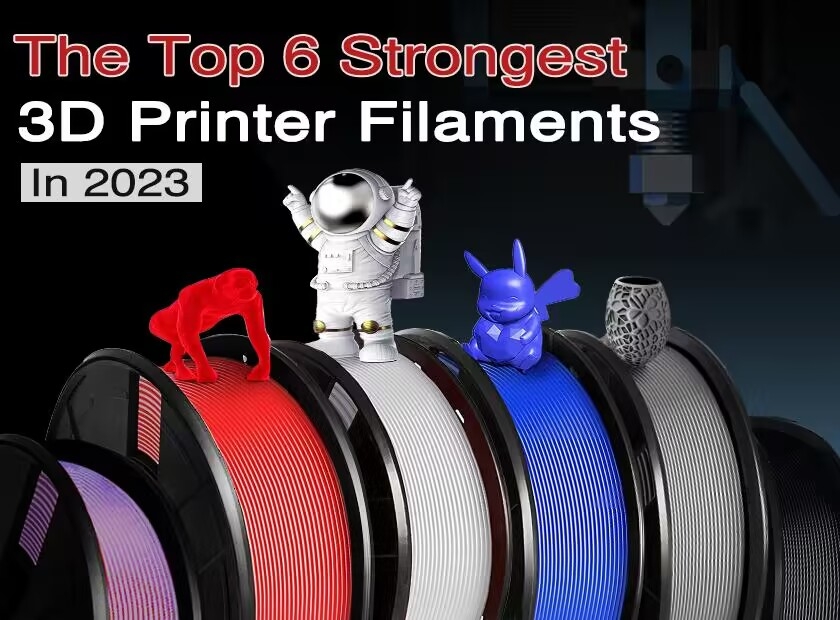
And finally, we reach the carbon fiber reinforced filaments. These are typically nylon or PETG infused with tiny carbon fibers. The carbon fiber acts like rebar in concrete, adding significant strength and stiffness. Imagine a filament that lifts weights and reads philosophy in its spare time. Carbon fiber filaments are ideal for structural components, drone parts, and anything where weight and strength are critical. Be warned, they can be abrasive to your printer nozzle, so you might need a hardened steel nozzle to avoid wear and tear.
The Winner Is… (Drumroll Please!)
So, who wins the "Strongest Filament" competition? It depends! (I know, I know, what a cop-out, right?). But seriously, carbon fiber reinforced nylon is generally considered the strongest all-around filament for 3D printing. It offers a fantastic combination of strength, stiffness, and durability. But remember the right filament is the one that best meets the needs of your project.

Consider what's important to you.
- Strength: Carbon Fiber Reinforced Nylon or Polycarbonate
- Ease of Printing: PLA or PETG
- Heat Resistance: ABS or ASA
- Flexibility: TPU
Ultimately, experimenting with different filaments is part of the fun! Don't be afraid to try new things, learn from your mistakes (we all make them!), and maybe even invent your own super-strong filament. Who knows, maybe you'll be the one revolutionizing 3D printing!
Just promise me you won't try printing a functional rocket engine out of PLA. Let's leave that to the professionals (and maybe Elon Musk).