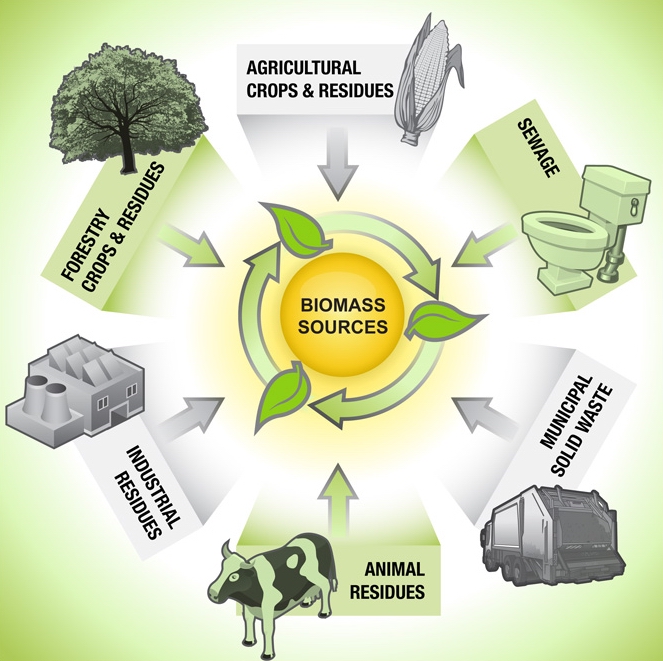
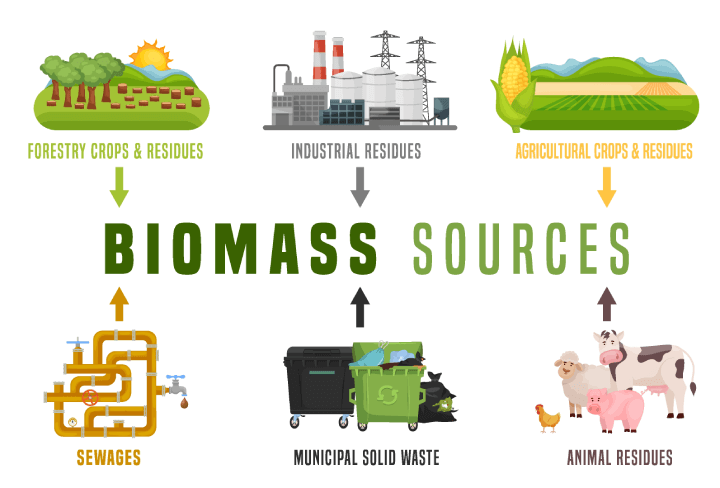
What Is The Source Of Biomass
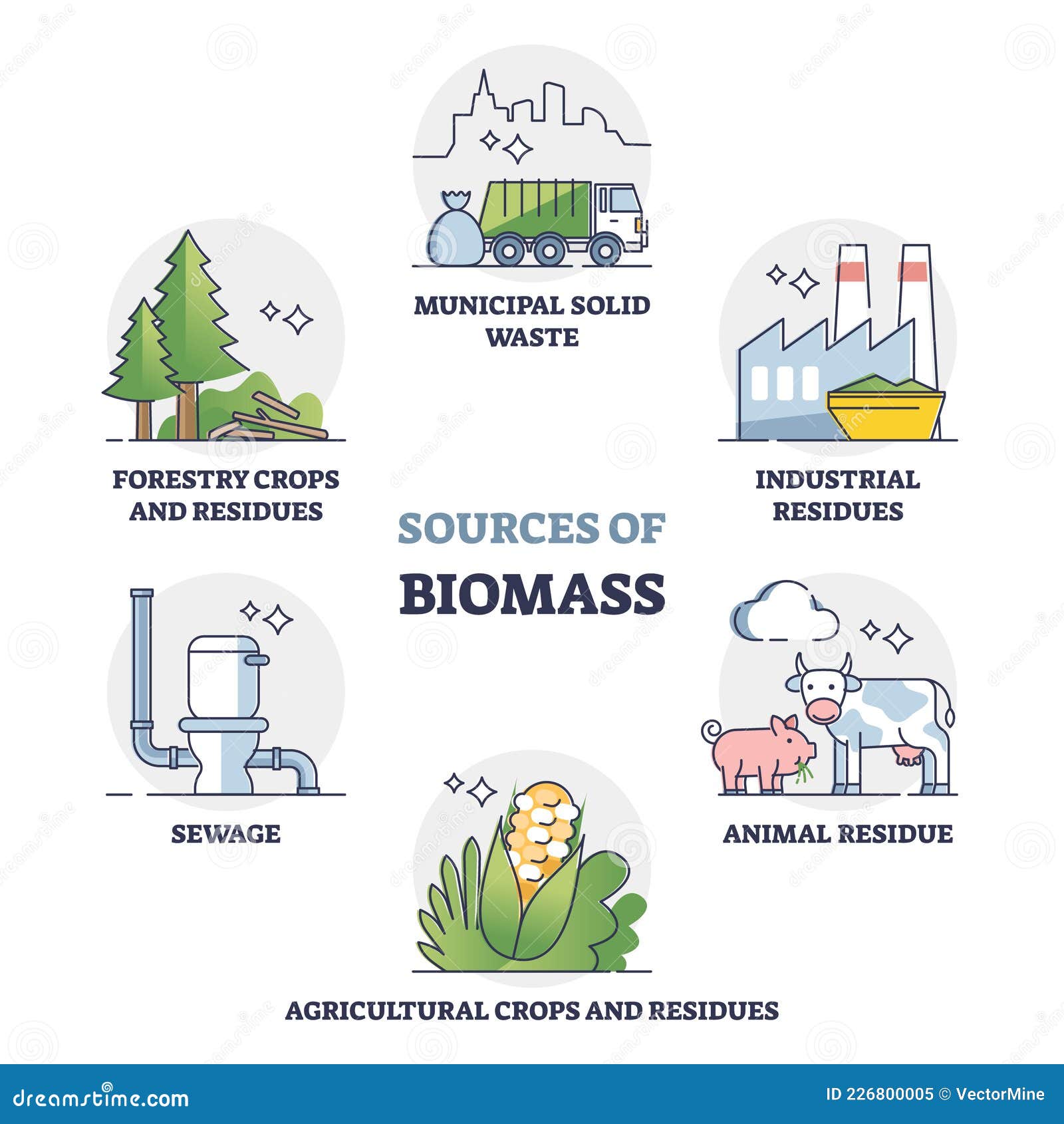
Have you ever stopped to wonder where the energy in your morning toast comes from? Or the fabric of your cotton shirt? What about the warmth from a crackling campfire, or the paper your favorite book is printed on? It might sound like a riddle, but the answer often points to something incredibly fundamental and utterly fascinating: biomass. Exploring the source of biomass isn't just a science lesson; it’s a journey into understanding the very heartbeat of our planet and how nearly everything we touch, eat, or use traces back to an amazing natural process.
So, what exactly is the source of all this biomass? In the simplest, most wonderful terms, it’s the sun, powering plants. Yes, that's right! Through a magical process called photosynthesis, plants take sunlight, carbon dioxide from the air, and water from the soil, and convert them into sugars – their food, and essentially, their building blocks. This stored energy, locked away in organic matter, is what we call biomass. Its primary purpose is to sustain life, providing the foundational energy for nearly every ecosystem on Earth. The benefits are immense: it’s a renewable resource, constantly replenished by the sun’s energy and nature’s growth cycle. It helps cycle carbon, turning atmospheric CO2 into tangible matter. It's truly a marvel of natural engineering!
You might be wondering, how does this incredible process show up in our daily lives or in what we learn? Think about education: biology classes meticulously explain photosynthesis, illustrating how crucial this process is for sustaining life. In daily life, the examples are endless! Every piece of fruit or vegetable you eat, every grain of rice or wheat, is direct biomass. If you enjoy a steak, remember that the cow ate grass – biomass. Your wooden furniture, the paper in your newspaper, the cotton in your clothes – all started as plants. Even biofuels like ethanol or biodiesel, used in some vehicles, are derived from crops like corn or soybeans. When you compost your kitchen scraps, you're observing biomass breaking down and returning its nutrients to the soil, ready to fuel new growth. It’s everywhere once you start looking!
Must Read
Feeling curious to explore this more deeply? You don't need a lab! Start small: grow a plant, even just a simple herb on your windowsill. Watch it turn sunlight into green leaves, and you're witnessing biomass production firsthand. Take a moment during your next walk to observe a tree – truly observe it. Imagine the sheer volume of sunlight and CO2 it has transformed over its lifetime. Think about where your food comes from; try tracing back a meal to its plant origins. Or, if you have a garden, consider starting a small compost pile. Watching organic waste transform into rich, new soil is a wonderfully tangible way to connect with the cycle of biomass. It's a gentle reminder that much of what sustains us comes from the simple, profound dance between the sun and the green world beneath it.