What Is The Seer Rating On An Air Conditioner

Let's face it, folks, in the sweltering heat of summer, nothing beats the sweet relief of stepping into an air-conditioned room. It's a sanctuary, a blissful escape from the oppressive sun. And when winter rolls around, some of us use it in reverse - for a blast of warm air. But have you ever stopped to wonder just how efficiently your cool (or warm) air provider is doing its job? That's where the SEER rating comes in!
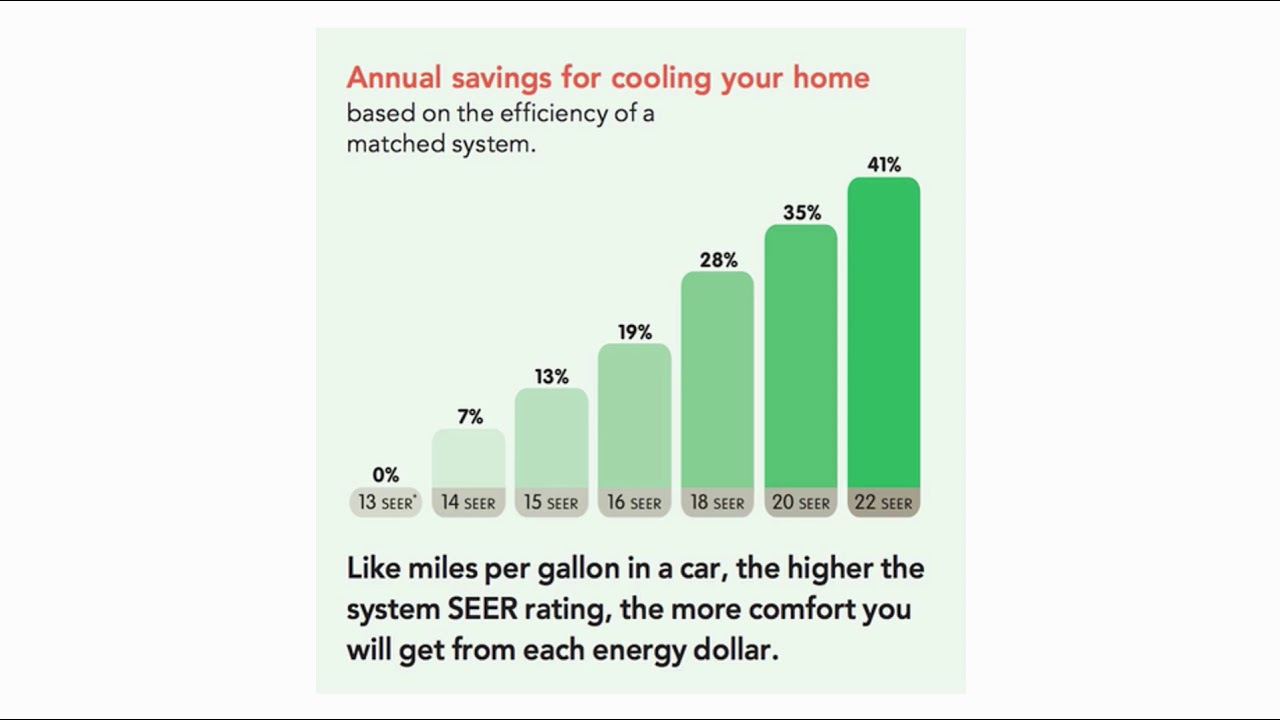
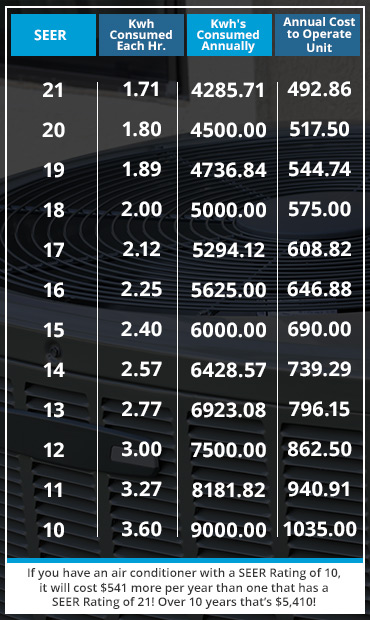
SEER, or Seasonal Energy Efficiency Ratio, is essentially the miles-per-gallon for your air conditioner. It's a measure of how much cooling (or heating) you get for each unit of energy consumed. Think of it as a report card on your AC unit's energy-saving potential. A higher SEER rating means your unit is more efficient, using less energy to produce the same amount of cooling (or heating). This translates directly into lower energy bills, which is something we can all appreciate!
The benefits are pretty straightforward: lower utility bills, reduced environmental impact, and a generally lighter feeling in your wallet. Who wouldn't want that? It's all about maximizing comfort while minimizing cost. Think about it: you're enjoying the same cool (or warm) air, but paying less for it. It's a win-win!
Must Read
You'll find SEER ratings plastered all over air conditioning units. It's often displayed prominently on the unit itself, in the product literature, or even on the Energy Star label. When you're shopping for a new AC, this is a key number to consider. The minimum SEER rating currently mandated in the United States is 14 for most regions, but you can find units with ratings much higher than that. Older units, on the other hand, might have a SEER rating as low as 8 or 9, which means they're costing you a lot more to run.

Beyond purchasing a high-SEER rated unit, here are some practical tips to get the most out of your air conditioning (and your investment):
- Regular Maintenance: Just like your car, your AC needs regular tune-ups. Clean or replace air filters regularly (every 1-3 months, depending on usage) to ensure optimal airflow. A dirty filter forces your unit to work harder, wasting energy and potentially shortening its lifespan.
- Seal the Deal: Make sure your home is properly insulated and that there are no air leaks around windows and doors. Sealing those gaps prevents cool (or warm) air from escaping and keeps outside air from seeping in, reducing the workload on your AC.
- Programmable Thermostat: Invest in a programmable thermostat to automatically adjust the temperature based on your schedule. You can set it to a higher temperature when you're away from home and lower it before you arrive, saving energy without sacrificing comfort.
- Strategic Shading: Use curtains, blinds, or shades to block sunlight during the hottest parts of the day. This will help keep your home cooler naturally, reducing the need for air conditioning. Plant trees or shrubs strategically around your home to provide shade and further reduce heat gain.
Understanding the SEER rating and implementing these simple tips can significantly improve your air conditioning efficiency and save you money in the long run. So, next time you're basking in the cool comfort of your home, remember that a little knowledge about SEER can go a long way in keeping your wallet and the planet happy.