
What Is The Safest Energy Source
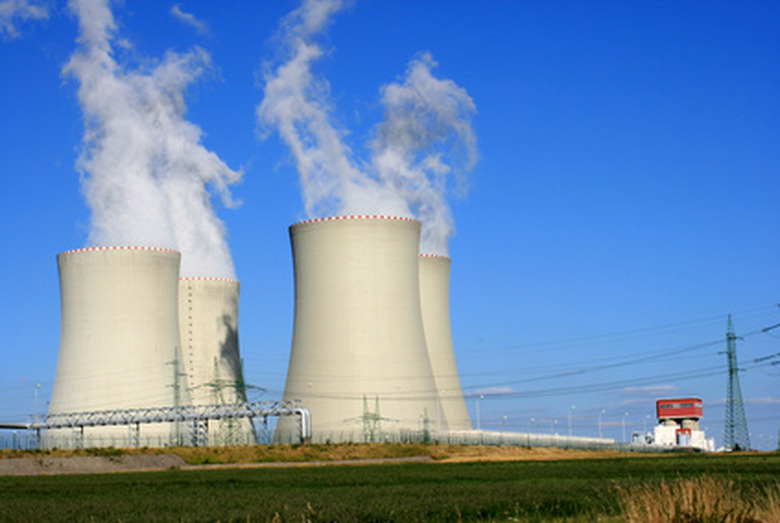
Ever wonder about the energy that lights up your home, charges your phone, and powers your morning coffee? We often think about where it comes from, but how often do we consider its journey to us? And more importantly, which energy source is the ultimate gentle giant?
Most of us might picture sprawling solar farms or elegant wind turbines swaying in a field. These certainly feel like the "good guys" of the energy world, don't they? They're clean, they harness nature, and they seem so wonderfully peaceful.
Then there are the traditional heavyweights: coal, oil, and natural gas. We know these have been powering our world for a long time. They've given us incredible leaps forward, but we're also well aware of their smoky downsides and the occasional dramatic incident.
Must Read
When you start to dig into which energy source is truly the safest, a surprising champion often emerges from the shadows. It’s an energy source that, frankly, has a bit of a PR problem. It often gets lumped in with scary headlines and sci-fi movie plots.
Are you ready for the big reveal? Brace yourself. The data, when crunched by serious scientists and statisticians, points to a surprising victor. It's not the sun, nor the wind, nor even the gentle flow of water.
The safest major energy source, when measured by the number of deaths per unit of electricity produced, is none other than nuclear power.
Yes, you read that correctly! It often raises eyebrows, perhaps a nervous chuckle, or even a gasp. We're talking about the very thing that many people associate with glowing green rods and mushroom clouds. But let's take a closer, friendlier look.
The Gentle Giant with a Scary Reputation
Think about it: when someone says "nuclear," what’s the first thing that pops into your head? For many, it’s images of Chernobyl or Fukushima. These are tragic events, etched into our collective memory, and rightfully so.
However, the modern reality of nuclear energy is a meticulously designed marvel of engineering and safety. Imagine a giant, super-secure vault, constantly monitored by dozens of highly trained experts. That’s closer to the truth.
Every single step, from designing the power plant to operating it daily, is overseen by incredibly strict international regulations. It’s like having a thousand watchful eyes ensuring everything is absolutely perfect. This is why incidents are so rare.
Compared to coal mining, where accidents are unfortunately common, or even the vast number of workers involved in installing solar panels at height, nuclear power plants have a remarkably low incident rate for their employees and the public.
It’s a bit like comparing flying in an airplane versus driving a car. Car accidents happen every day, but a plane crash, though devastating, is incredibly rare thanks to rigorous safety protocols. Nuclear power is the aviation of the energy world.
Unpacking the Surprising Numbers
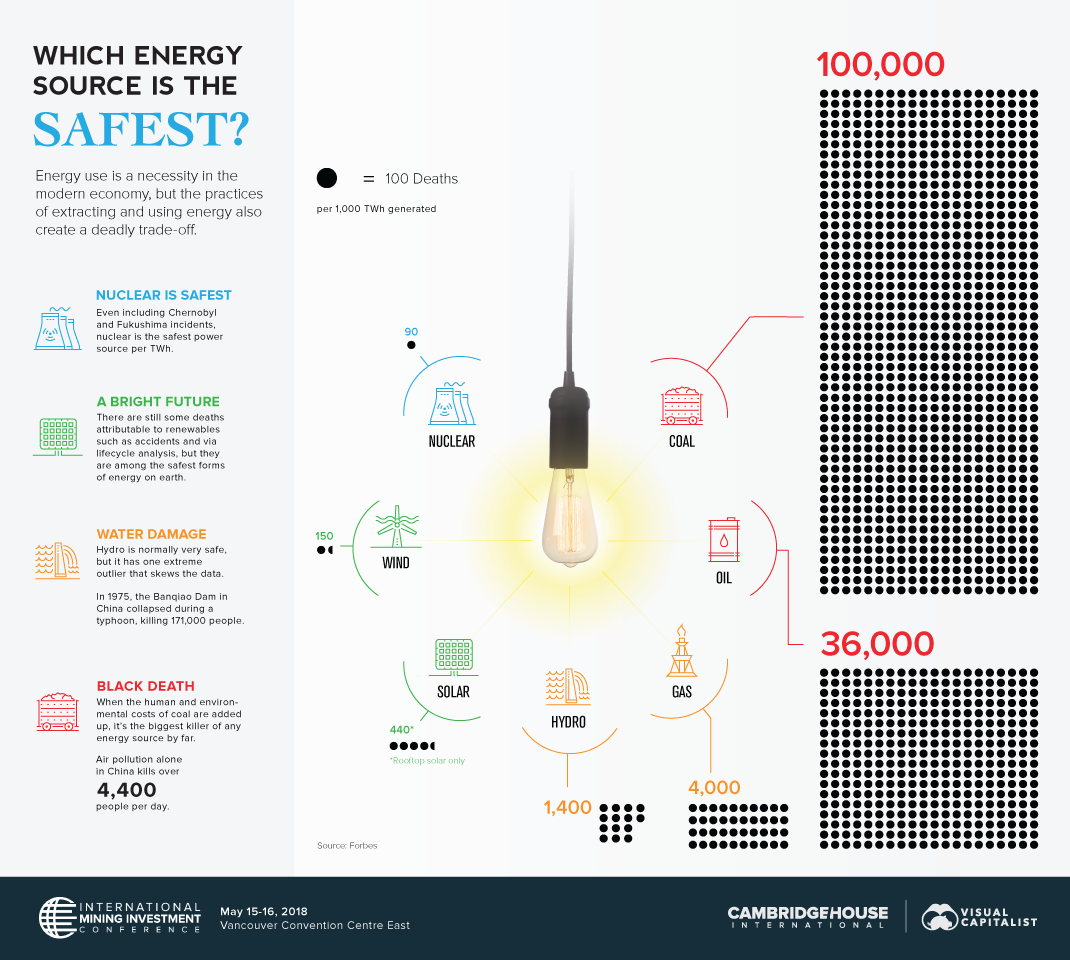
When experts talk about safety in energy, they often refer to "deaths per terawatt-hour." A terawatt-hour is a colossal amount of energy—enough to power a small country for quite some time. It’s a way to level the playing field.
Fossil fuels, sadly, top the chart for the opposite reason. Coal, for example, is responsible for hundreds of thousands of deaths globally each year. These aren’t just mining accidents; they include the devastating effects of air pollution on people's health.
Even renewable energy sources, which are undoubtedly fantastic, aren't entirely free of risk. Building and maintaining wind turbines and solar panels involves heavy machinery, construction at height, and manufacturing processes, all of which carry inherent, albeit small, risks.
Hydroelectric power, generating electricity from dams, is generally very safe. However, the catastrophic failure of a large dam, though extremely rare, can lead to immense loss of life. These rare, large-scale events can skew the safety statistics.

Nuclear power, even when factoring in the historical tragedies of Chernobyl and Fukushima, still boasts the lowest fatality rate per unit of energy produced. This fact often leaves people scratching their heads, and that’s perfectly understandable.
"It's a marvel of human ingenuity, meticulously controlled, quietly delivering immense power with remarkable precision."
The accidents at Chernobyl and Fukushima, while terrible, prompted unprecedented improvements in safety measures worldwide. Modern nuclear reactors are built with multiple layers of redundant safety systems. Think of it like having five backup plans for every single scenario.
Imagine a nuclear power plant as a incredibly strong, quiet heart, beating steadily, producing energy without any smoke, soot, or greenhouse gases. It’s a clean, consistent hum of reliable power, operating deep within its protective shell.
Beyond the Scary Stories: A Cleaner, Safer Future
One of the less dramatic but equally important benefits of nuclear power is its tiny footprint. A nuclear power plant can generate enormous amounts of electricity from a very small area. This leaves more land for nature, farming, or communities.
The waste produced by nuclear power, while radioactive and needing careful storage, is also surprisingly small in volume. All the high-level waste ever produced by U.S. nuclear power plants could fit on a single football field, only about ten yards deep.
Compared to the mountain ranges of ash from coal plants or the vast networks needed for gas and oil, nuclear waste is highly contained and managed. It’s a challenge, certainly, but one that is understood and meticulously handled, not spread across the environment.
So, the next time you plug in your phone or flip a light switch, take a moment to ponder the unsung hero of energy safety. It’s not about ignoring past mistakes, but understanding how incredible engineering and stringent safety protocols have transformed a feared technology.
It's about embracing a nuanced perspective, realizing that what feels scary might actually be, statistically speaking, incredibly safe. Nuclear power is a quiet powerhouse, often misunderstood, but fundamentally one of the most reliable and safest ways we power our modern world.
It's a journey from fear to fascination, a reminder that sometimes, the biggest surprises hide behind the biggest misconceptions. This powerful, silent worker helps keep our hospitals running, our schools lit, and our homes warm, often with a level of safety that rivals, and often surpasses, its flashier cousins.