What Is The Recommended Temperature For Your Home
Okay, so picture this: I walked into my friend Sarah’s apartment the other day, and it felt like I'd accidentally stumbled into a sauna. I swear, I could practically see the heat waves shimmering off her furniture. I asked her, completely sweating, if she knew her thermostat was set to "Surface of the Sun." She just shrugged and said, "I like it warm!" I, however, was melting. This got me thinking – what actually is the recommended temperature for your home? Is Sarah living her best (albeit toasty) life, or is she unintentionally funding the local energy company's next yacht?
Let's dive in! Finding the sweet spot for your home's thermostat is about more than just personal preference. It's a delicate dance between comfort, cost, and even your health. And trust me, your wallet will thank you.
The Golden Number (Or Numbers, Plural)
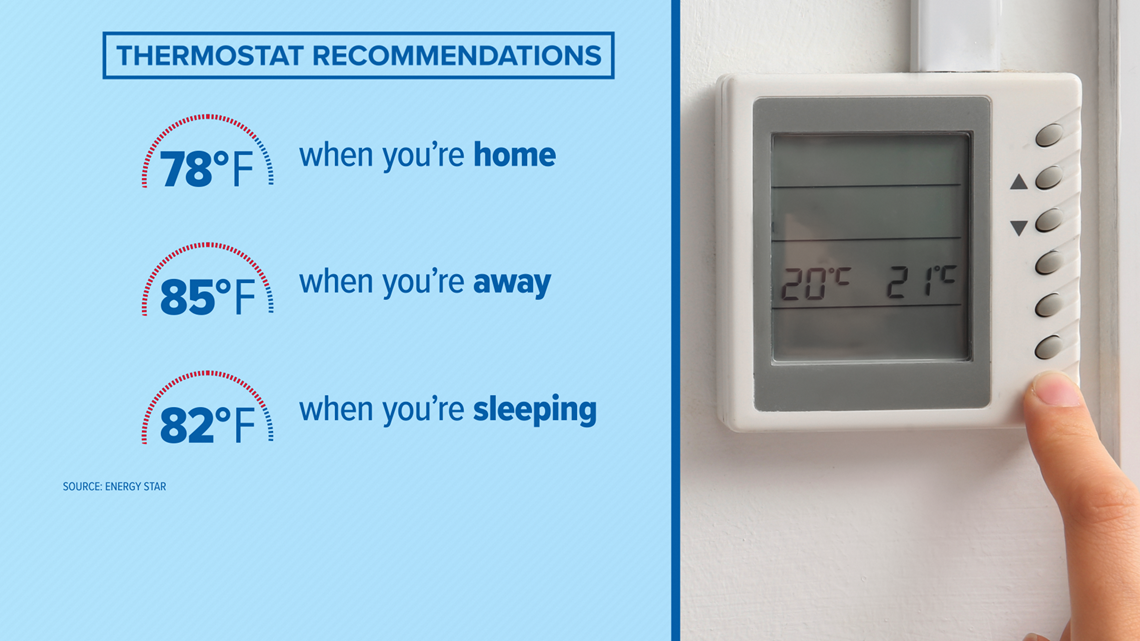
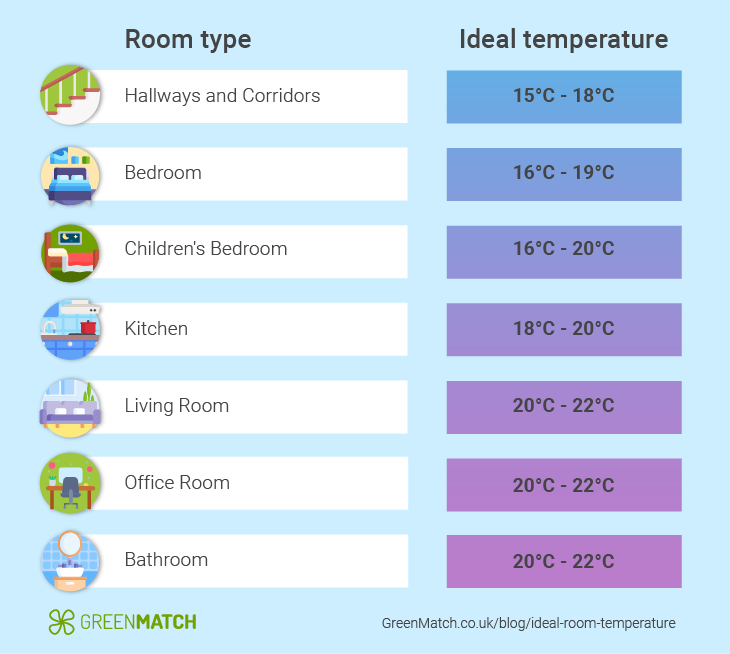
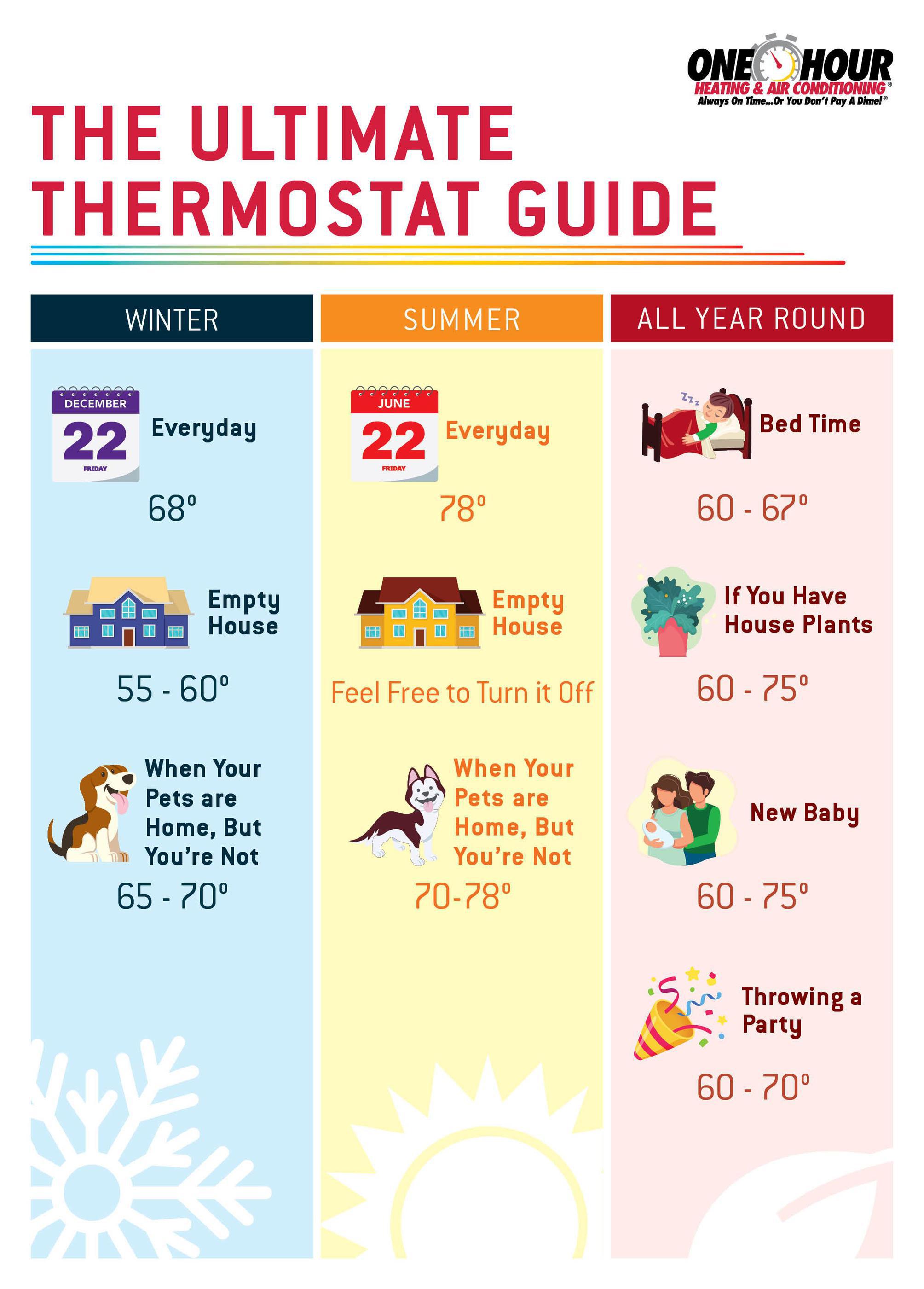
Generally speaking, the recommended thermostat setting during the day when you're home is around 68°F (20°C). This is considered a comfortable and energy-efficient temperature for most people. Think of it as the "Goldilocks" temperature - not too hot, not too cold, but juuuuust right.
Must Read
Side note: I know, I know, 68°F might sound chilly to some of you. But before you crank up the heat, consider layering up! A cozy sweater can make a huge difference. Plus, it's way cheaper than heating your entire house like it's a tropical rainforest.
But what about when you're asleep or away? This is where things get interesting. The U.S. Department of Energy recommends setting your thermostat back 7-10 degrees for eight hours a day. This could save you as much as 10% a year on your heating and cooling bills! That's like finding free money in your couch cushions!
Seriously, folks, that 10% can add up! Imagine all the delicious coffee you could buy with that extra cash...or maybe even put it towards a new thermostat (more on that later).
So, what temperature should you aim for at night or when you're away? Around 60-62°F (15-17°C) is a good target. Yes, it might feel a little cool at first, but think of it as an excuse to snuggle up under the blankets. And who doesn't love a good excuse for that?

Factors That Influence Your Ideal Temperature
Of course, the "ideal" temperature is subjective. A lot of things can influence what feels comfortable to you, including:
- Your Activity Level: Are you constantly moving around, or are you mostly sitting still? Active people tend to feel warmer, while those who are sedentary might prefer a slightly higher temperature.
- Your Clothing: As mentioned before, layers are your friend! Wearing more clothes can allow you to keep your thermostat a few degrees lower without feeling cold.
- Your Home's Insulation: A well-insulated home will retain heat better, allowing you to set your thermostat lower. If your home is drafty, you might need to crank up the heat to compensate.
- Your Personal Preference: Ultimately, comfort is key. If you genuinely feel miserable at 68°F, then by all means, adjust the thermostat to a temperature that makes you happy. Just be mindful of the energy costs!
Smart Thermostats: Your Temperature Wingman
Okay, so manually adjusting your thermostat twice a day might sound like a pain. That's where smart thermostats come in. These nifty devices can learn your habits and automatically adjust the temperature based on your schedule. They can also be controlled remotely via your smartphone, which is perfect for those times when you forget to adjust the thermostat before leaving for vacation (we've all been there).
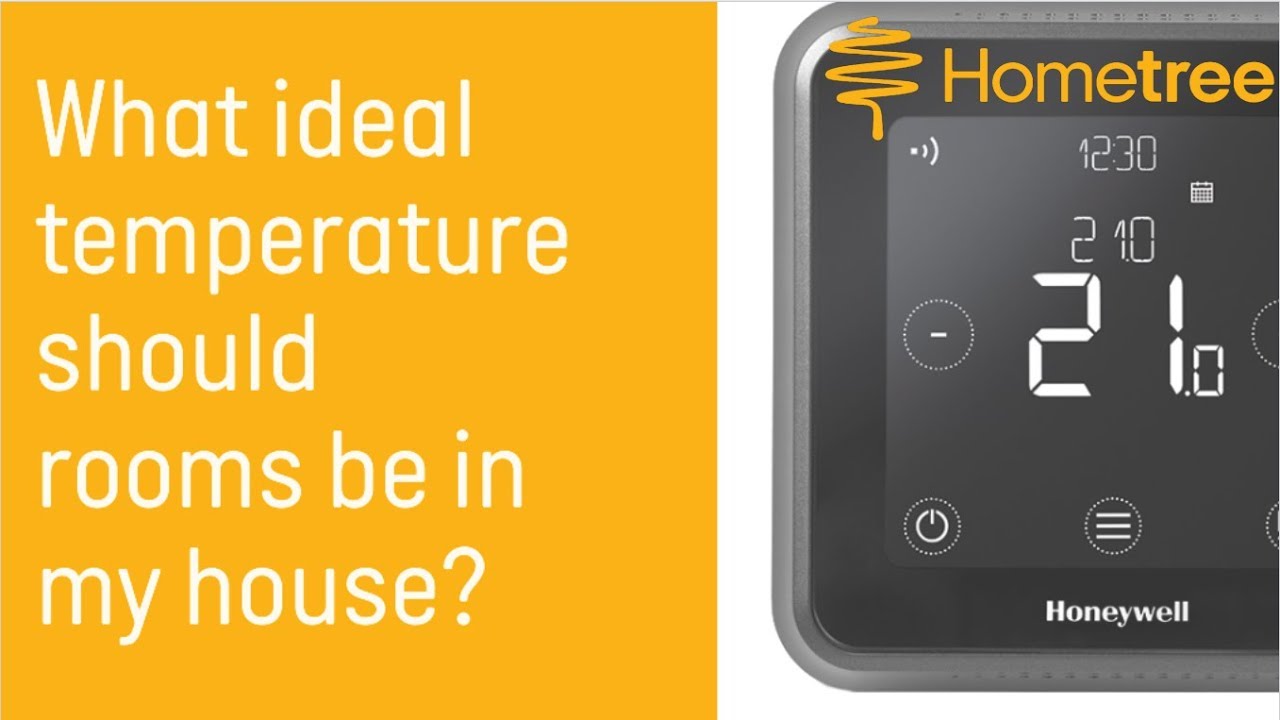
Investing in a smart thermostat is like hiring a tiny, temperature-obsessed butler to manage your home's climate. And who wouldn't want that?
Full disclosure: I'm mildly obsessed with my smart thermostat. It's genuinely satisfying to see how much energy I'm saving (and how much money I'm not spending). Plus, I can preheat my house on the way home from work. It's the little things, you know?
The Takeaway: Find Your Comfort Zone (Responsibly!)
There's no one-size-fits-all answer to the question of the ideal home temperature. The key is to find a balance between comfort, cost, and energy efficiency. Experiment with different settings to see what works best for you, and don't be afraid to embrace the power of layers. And maybe, just maybe, have a conversation with your friend Sarah about the benefits of a slightly less sauna-like living environment. For her own sake (and the sake of her electricity bill!).