
What Is The Purpose Of Windmills
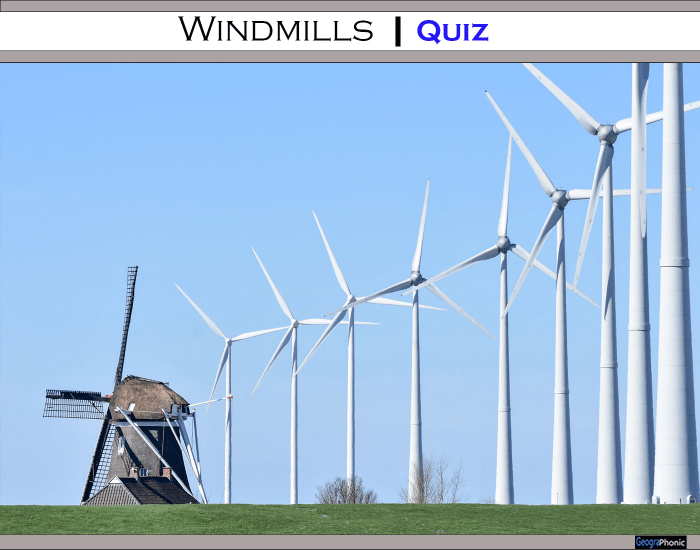
There’s something truly magical about windmills, isn't there? Those towering giants, their arms gracefully spinning against the vast sky, often stand as serene sentinels in a quiet landscape. But what exactly are these elegant structures up to? Are they just pretty faces, or do they have a secret purpose beyond looking picturesque?
Turns out, these gentle giants have been quietly doing some of the world's most important work for centuries. They are, in essence, ingenious contraptions designed to capture the invisible power of the wind and put it to good use. It’s a story of human cleverness, natural forces, and a whole lot of surprising heart.
The Whispering Giants of Yesteryear
Grinding Grain: The Daily Bread Makers
Imagine a time before electricity, before industrial factories, when making bread was a serious arm workout. People needed to grind their grain, like wheat or corn, into flour. This was heavy, laborious work, often done by hand or with animals.
Must Read
Then came the windmill! With its colossal sails catching the breeze, it could turn enormous grindstones. Suddenly, a whole village's worth of grain could be milled in a fraction of the time, making life easier and bellies fuller.
It’s heartwarming to think of a local baker, his apron dusted with flour, knowing that the very wind blowing across the fields was helping him make the day’s fresh bread. The windmill was the unsung hero behind every delicious loaf.
Pumping Water: Lifelines in the Landscape
Beyond grinding grain, many early windmills had an equally vital job: moving water. In flat, low-lying lands like the Netherlands, or in dry, arid regions, water was either too abundant (flooding!) or too scarce (drought!).
Windmills stepped in to drain water from canals and polders, keeping the land dry enough for farming and living. Elsewhere, they acted like giant, tireless pumps, drawing precious water from deep underground wells to irrigate thirsty fields and quench the thirst of livestock.
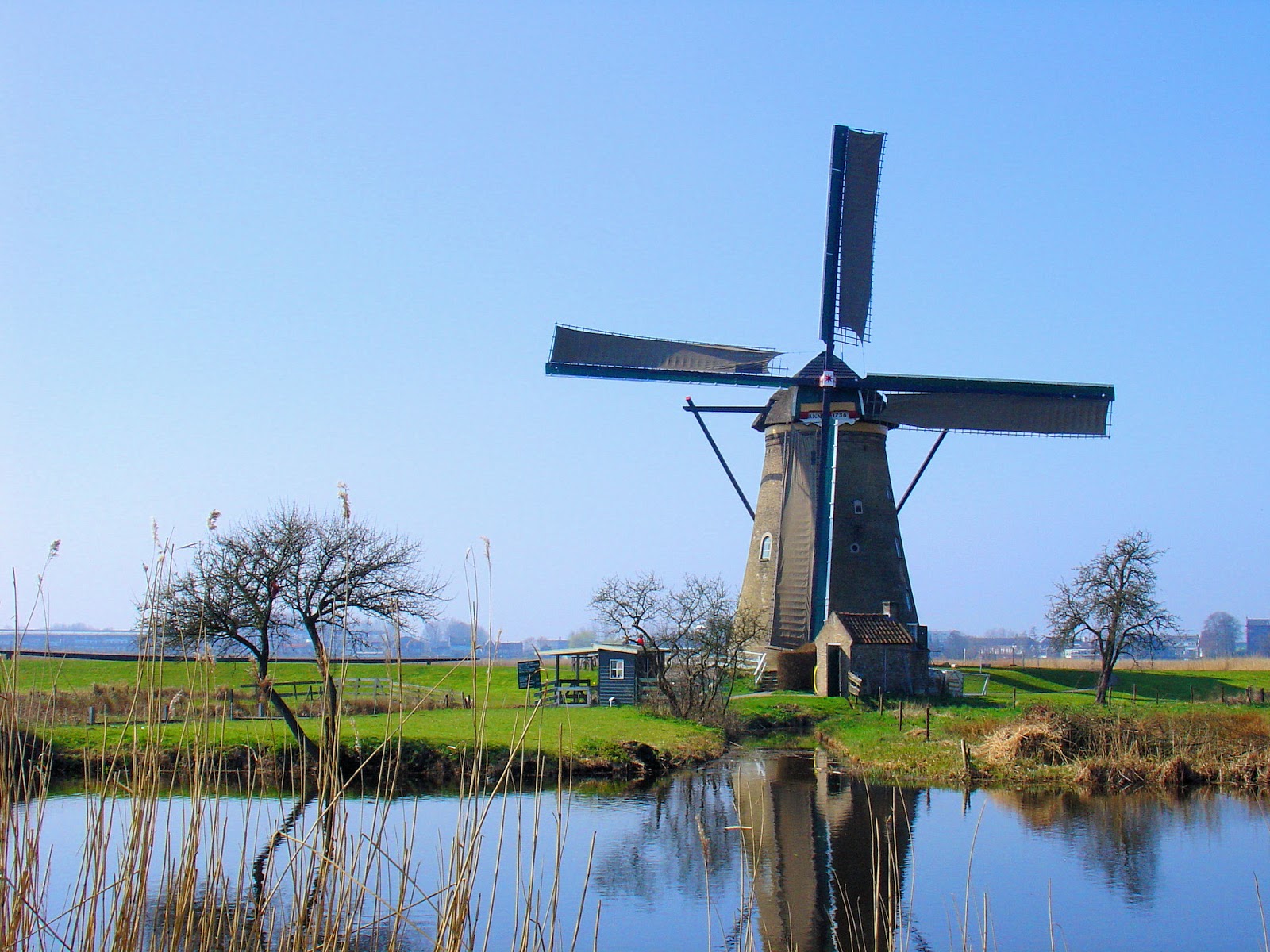
Imagine a parched farmer watching his fields spring to life, all thanks to the relentless, gentle turning of a windmill. These structures weren't just machines; they were literal lifelines, making previously inhospitable lands bloom.
Sawing Wood: Building Dreams with the Breeze
While grinding grain and pumping water are well-known, another surprising purpose of historical windmills was sawing wood. Imagine the sheer muscle power needed to cut down massive tree trunks into planks for building homes, ships, or furniture!
Some ingenious windmills were equipped with powerful saws, their blades driven by the wind’s energy. They would slice through logs with surprising efficiency, making construction faster and less back-breaking.
It’s a fantastic example of human ingenuity, seeing a natural force like wind and figuring out how it could build entire communities. From the humble cottage to mighty ships, the wind-powered saw played a crucial, often unseen, role.
From Old Sails to Sleek Blades: A Modern Twist
For centuries, the basic idea of the windmill remained unchanged: catch the wind, turn something useful. But as humanity evolved, so too did the windmill. We still needed the wind's power, but for a new, ever-growing need: electricity.
This is where the modern wind turbine comes in. They might look different, with their sleek, often three-bladed designs, but their core purpose is exactly the same as their ancient ancestors: harness the wind’s incredible energy.
Powering Our Lives: The Electric Wind
Today's giant wind turbines are essentially super-efficient electricity generators. When their massive blades spin in the wind, they turn a shaft inside a generator, creating clean, renewable electricity. This power then flows into our homes, schools, and businesses.
Think about it: the same breeze that rustles the leaves in your garden could be powering your refrigerator, charging your phone, or lighting your living room. It’s a clean, quiet revolution, turning thin air into the power we need every day.

It’s quite a humorous thought – the wind, trying to just blow by, suddenly finds itself recruited into a massive power-generating effort. From a casual gust to lighting up entire cities, these modern windmills are truly magnificent.
"The wind, that tireless worker, now helps us brew our morning coffee and illuminate our evening stories. It's a gentle giant powering our modern world."
Community Spirit and a Brighter Future
Beyond powering individual homes, wind farms – collections of many turbines – can provide electricity for entire communities and even large regions. This reduces our reliance on fossil fuels, making our planet a healthier place to live.
In many remote areas, wind power offers a reliable source of electricity where traditional grids might not reach. It brings independence and opportunity, allowing villages to thrive and connect to the wider world.

The sight of a wind farm, with its synchronized, almost meditative spinning, can be incredibly heartwarming. It symbolizes a commitment to a sustainable future, a collective effort to work with nature rather than against it, ensuring a cleaner tomorrow for everyone.
The Heart of the Windmill: More Than Just Machines
So, the purpose of windmills, both ancient and modern, is to take the invisible, yet immensely powerful, force of the wind and transform it into something useful for humanity. From grinding flour for bread to generating clean electricity, their role has always been about making life better, easier, and now, greener.
They stand as testaments to human ingenuity and our enduring relationship with the natural world. They’ve adapted and evolved, but the core idea – harnessing the wind – remains a beautifully simple and profound solution.
The next time you spot a windmill, whether it’s a rustic old charmer or a sleek modern turbine, remember its incredible story. It's more than just a machine; it's a symbol of resourcefulness, a silent provider, and a gentle giant always working for us, powered by nothing but the very air we breathe.