
What Is The Purpose Of The Paris Climate Agreement
-800x447.png)
Okay, so picture this: I'm at a family barbeque, right? Uncle Jerry, bless his heart, is holding court about how climate change is a hoax because it's "snowing harder than ever!" You know, the usual. Everyone kind of politely nods and changes the subject because arguing with Uncle Jerry on a Sunday afternoon is… a choice. But it got me thinking, what's actually being done on a global scale to address this whole climate change thing anyway? And that's where the Paris Agreement comes in.
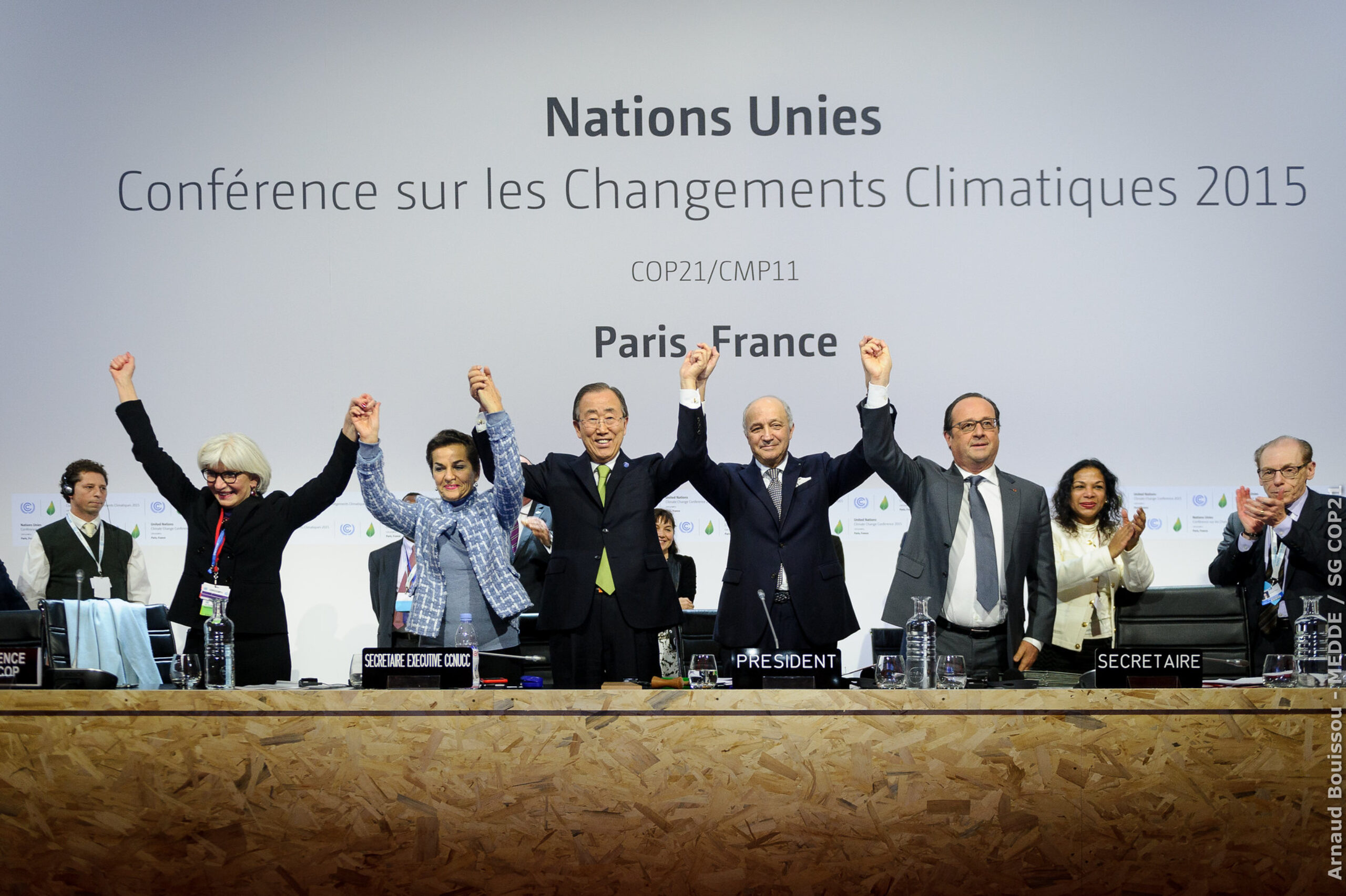
Think of the Paris Agreement as a giant, global promise ring. A bunch of countries (pretty much all of them, actually – over 190!) got together and said, "Okay, things are getting hot, and not in a good way. We need to do something about it." So, they inked a deal, officially known as the Paris Agreement, and swore (well, more like pledged) to limit global warming.
Now, before you roll your eyes and think, "Oh great, another vague promise from politicians," let's dig a little deeper. What's the real purpose here?
Must Read
The Big Goal: Keeping the Heat Down
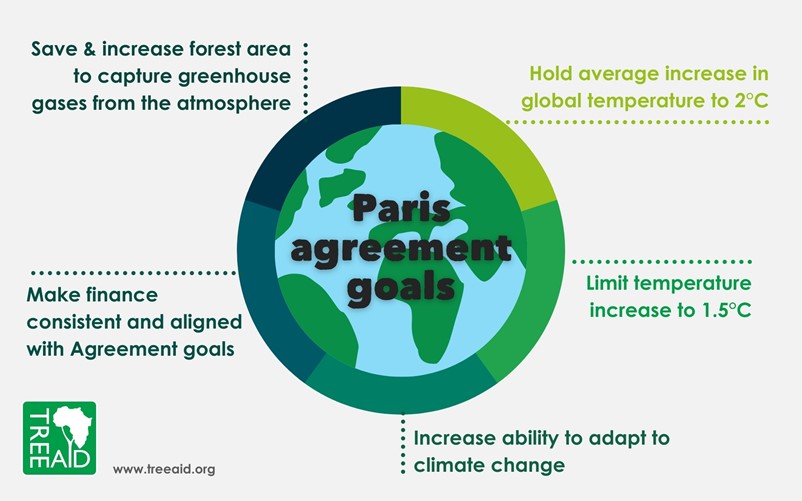
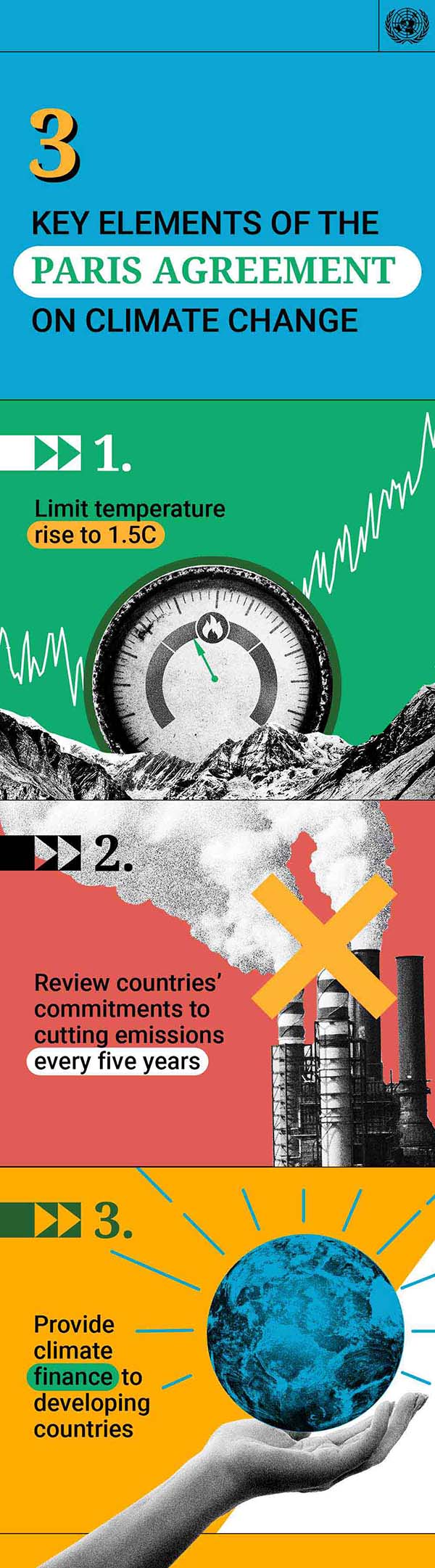
The core aim of the Paris Agreement is to keep the global average temperature increase to well below 2 degrees Celsius (3.6 degrees Fahrenheit) above pre-industrial levels. Ideally, they're aiming for 1.5 degrees Celsius (2.7 degrees Fahrenheit). Why those numbers? Well, scientists have warned that exceeding these thresholds could lead to some pretty catastrophic consequences, like more extreme weather events (think more hurricanes, droughts, floods – the whole shebang), rising sea levels (bye-bye coastal cities!), and disruptions to ecosystems.
Basically, they're trying to prevent the planet from turning into a giant, uninhabitable pizza oven. You know, small goals.
But here's the kicker: the agreement doesn't tell countries exactly how to achieve these goals. (Yep, you read that right!) It's more like a framework. Each country gets to determine its own "Nationally Determined Contributions" (NDCs), which are essentially pledges to reduce emissions.
Think of it like this: the Paris Agreement is the recipe, and the NDCs are each country's individual cooking style. Some might be using electric ovens (renewable energy), while others are still stuck with gas (fossil fuels). The challenge is getting everyone to bake the same cake without burning it down!
Beyond Temperature: A Multifaceted Approach
The Paris Agreement isn't just about temperature targets, though. It also focuses on:
- Adaptation: Helping countries adapt to the effects of climate change that are already happening. This includes things like building seawalls, developing drought-resistant crops, and improving disaster preparedness. Let's be real, climate change is already here, and some places are feeling it more than others.
- Finance: Providing financial assistance to developing countries to help them implement their climate action plans. This is crucial because many developing nations lack the resources to invest in clean energy and climate resilience on their own. It's about fairness, people!
- Technology Transfer: Sharing clean technologies and know-how with developing countries. This helps them leapfrog over dirty technologies and build sustainable economies. Knowledge is power, and sharing that power is key.
Is It Working? The Million-Dollar Question
Okay, so here’s where things get tricky. Is the Paris Agreement actually working? Well… it's complicated. On the one hand, it's brought about unprecedented global cooperation on climate change. It's a symbolic victory that sends a strong signal to businesses and investors that the world is serious about tackling climate change.
On the other hand, current pledges are nowhere near enough to meet the 1.5-degree Celsius target. We're currently on track for a warming of somewhere between 2.5 and 3 degrees Celsius, which, as we've established, is… not great.
Plus, some countries aren't meeting their pledges, and there's no real enforcement mechanism to hold them accountable. (Ironic, isn't it? Global promise, little accountability). It relies heavily on peer pressure and countries realizing it’s in their own best interest.
Ultimately, the Paris Agreement is a work in progress. It's a framework that needs to be strengthened and improved over time. It's not a magic bullet, but it's a crucial step in the right direction.
So, next time you're at a barbeque and Uncle Jerry starts spouting climate change myths, you can confidently say, "Well, Uncle Jerry, the Paris Agreement is trying its best to keep things from getting too toasty! It's not perfect, but it's a start." Then, maybe offer him a cold drink and change the subject to baseball. Because, let's face it, some battles are just not worth fighting on a Sunday afternoon.
