What Is The Property Of A Metal
Have you ever paused to truly consider the incredible materials that shape our world, from the delicate gleam of a treasured heirloom to the sturdy framework of a skyscraper? We’re talking about metals, and diving into what makes them tick – their unique properties – is like discovering the secret superpowers behind their everyday magic. It's a journey not just for scientists, but for anyone with a spark of curiosity, offering a fresh lens through which to appreciate the items we encounter daily.
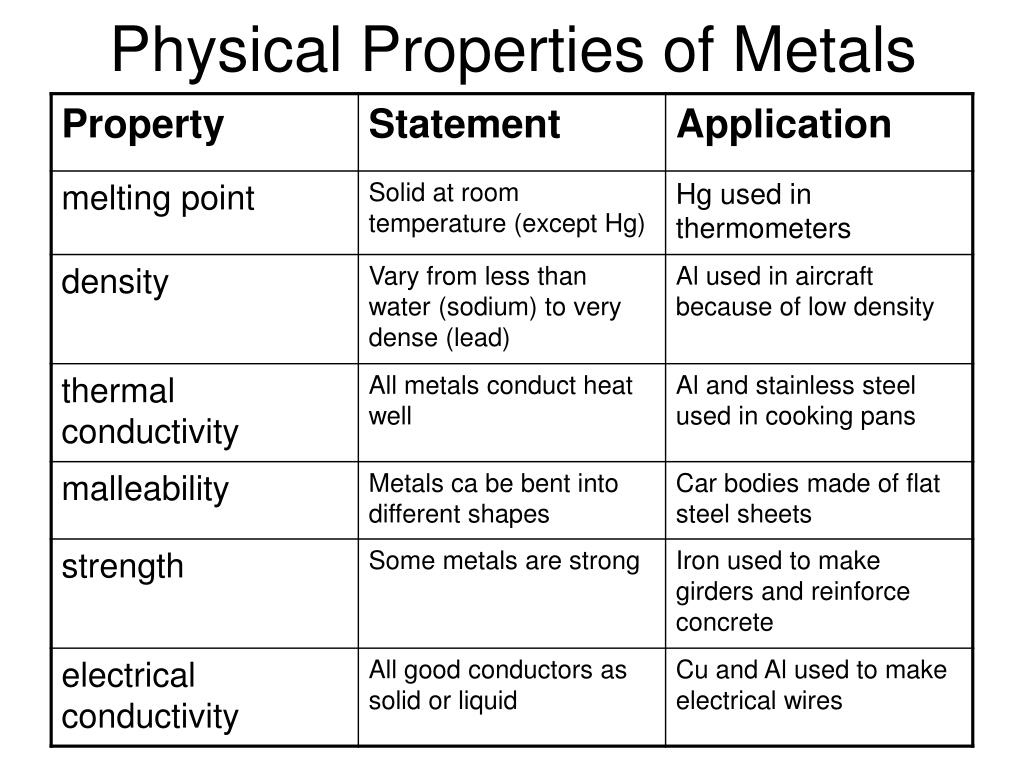
Understanding the properties of a metal isn't just academic; it's genuinely empowering! For artists and sculptors, knowing a metal's malleability (how easily it can be hammered into shape) or ductility (how well it can be drawn into a wire) is crucial for bringing their visions to life. Imagine trying to create an intricate filigree design with a brittle metal – impossible! For hobbyists and DIY enthusiasts, this knowledge helps you choose the right material for the job, whether you're soldering electronics (where electrical conductivity is key) or building a sturdy garden gate (hello, strength and corrosion resistance!). Even for the casual learner, it simply deepens your appreciation for the ingenuity of human design and the wonders of natural elements.
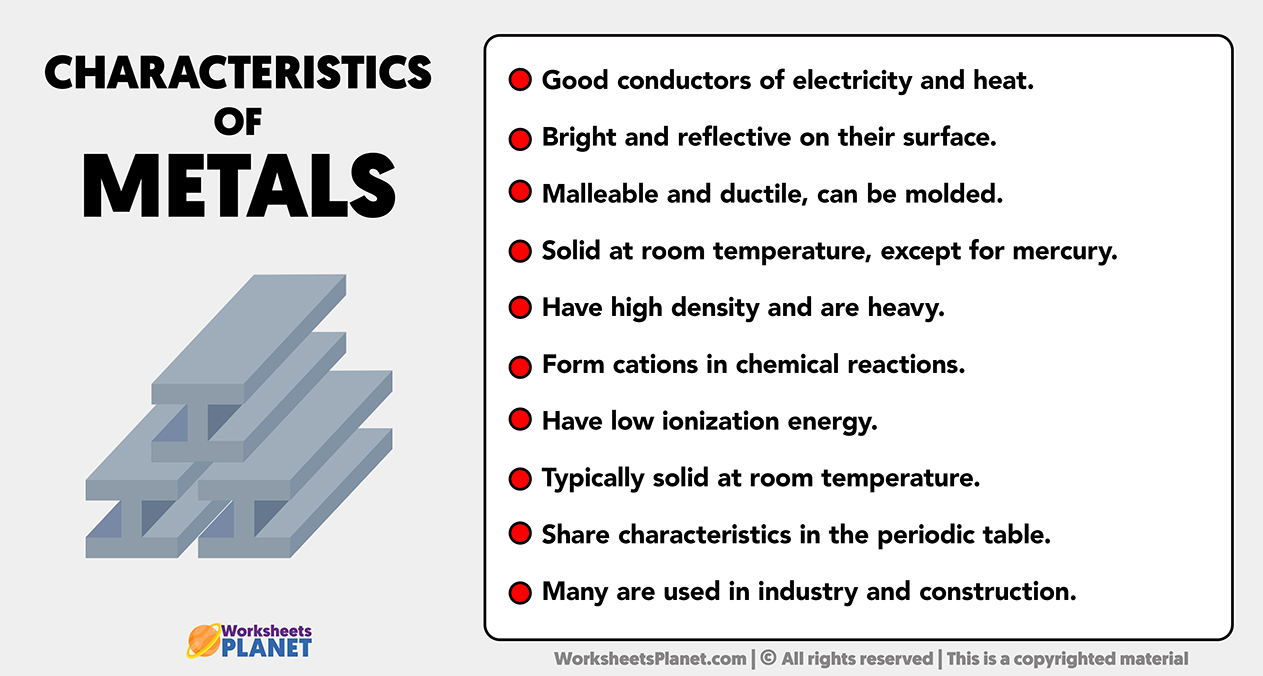
Let's look at some examples of these fascinating traits in action! Think of gold, prized for its stunning luster and incredible malleability, allowing it to be flattened into gossamer-thin leaf for gilding or intricate jewelry. Then there’s copper, beloved for its excellent electrical conductivity, making it the backbone of our modern wiring, silently powering our lives. Consider aluminum: light yet strong, making it perfect for aircraft and even soda cans – thanks to its relatively low density. Stainless steel, a common kitchen hero, boasts fantastic corrosion resistance, keeping rust at bay. And the distinctive "clang" you hear when tapping metal? That's related to its elasticity and hardness, properties that ensure tools last and structures stand firm. Each metal has its own unique "personality" defined by this cocktail of properties.
Must Read
Ready to try this at home? It's easier and more fun than you think! Start by becoming a metal detective. Grab a handful of common metal items – a paperclip, a spoon, a copper coin, an aluminum foil ball. Observe their luster: how shiny are they? Try to gently bend them: which ones are more malleable or ductile? Which feel denser, heavier for their size? You can even do a super simple conductivity test (with adult supervision!) using a small battery, a tiny LED light, and wires to see which metal objects complete a circuit. Simply touching and feeling different metals can tell you a lot about their thermal conductivity – why do metal handles get hot so fast?
Ultimately, delving into the properties of metals is an immensely enjoyable experience because it transforms the ordinary into the extraordinary. It's like gaining X-ray vision, allowing you to see beyond the surface and understand the fundamental reasons why metals behave the way they do. It sparks a new level of connection with the physical world, making you a more observant artist, a savvier hobbyist, and a more curious individual. So go on, embrace the metallic marvels around you!