What Is The Ph Of Battery Acid

Ever found yourself pondering the hidden chemistry of everyday objects? Like, what makes a lemon so sour, or why soap feels so slippery? It turns out, much of this boils down to something called pH, a fascinating scale that tells us how acidic or alkaline (basic) something is. And speaking of powerful chemistry, have you ever wondered about the pH of battery acid? It’s not just a technical detail for scientists; understanding pH helps us grasp a little more about the world around us, from the food we eat to the power that starts our cars.
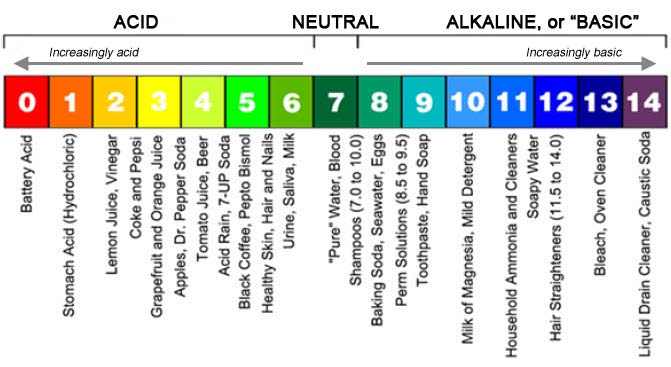
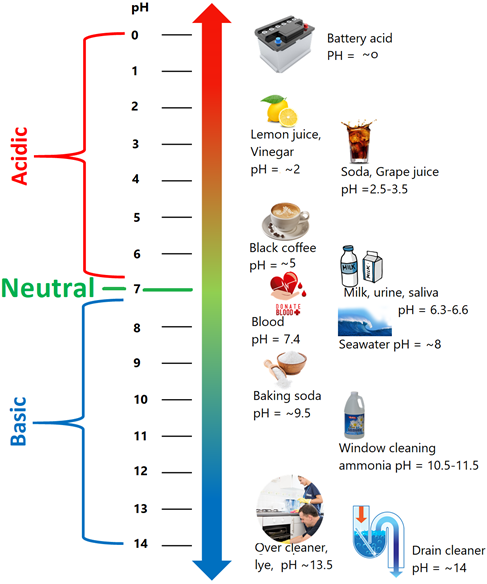
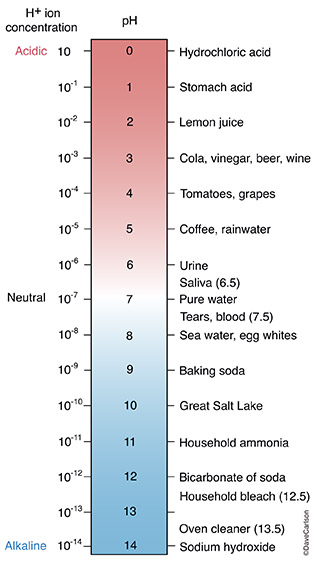
At its core, pH is a way to measure the concentration of hydrogen ions in a solution. The scale runs from 0 to 14. A pH of 7 is considered neutral – think pure water. Anything below 7 is acidic, with 0 being the most intensely acidic. Anything above 7 is alkaline (or basic), with 14 being the most intensely alkaline. So, where does battery acid fit into this? Most car batteries use sulfuric acid as their electrolyte, and it is extremely acidic. We're talking a pH of around 0.5 to 1.0, sometimes even lower! That makes it one of the strongest acids you'll encounter in common applications, which is why it's so effective at conducting electricity but also requires serious caution.
Understanding pH isn't just for battery enthusiasts. It’s incredibly relevant in so many areas! In education, learning about pH is a cornerstone of chemistry classes, helping students grasp fundamental concepts of reactivity and balance. You might remember making baking soda and vinegar volcanoes in school – a classic pH reaction! In our daily lives, pH is everywhere. Think about cooking: lemon juice (acidic) is used to curdle milk for ricotta cheese, and baking soda (alkaline) helps cakes rise. Our bodies even rely on carefully maintained pH levels for optimal health, from the acidity of our stomach aiding digestion to the pH-balanced shampoos we use to protect our hair and scalp.
Must Read
Beyond our bodies and kitchens, pH is crucial in gardening, where understanding soil pH helps farmers and home gardeners choose the right plants or adjust their soil for better yields. It’s also vital for maintaining swimming pools, ensuring the water is comfortable and safe, and in environmental science, monitoring the pH of rivers and lakes to detect pollution like acid rain. The benefits of knowing about pH range from safety (knowing how to handle strong acids or bases) to making informed choices about household products and even understanding ecological issues.
Want to explore pH yourself in a fun, safe way? You don't need a lab! You can easily buy pH test strips online or at garden stores. These little strips change color when dipped into a liquid, indicating its pH. Try testing common household items like vinegar, lemon juice, coffee, dish soap diluted in water, or even your tap water. For a truly hands-on experiment, you can make your own pH indicator using red cabbage juice! Boil chopped red cabbage in water, strain it, and use the purple liquid. It will turn red in acids, green/blue in bases, and stay purple in neutral solutions. Just remember, when exploring pH, stick to safe, everyday substances and never, ever attempt to test battery acid or any unknown hazardous substance without proper training and safety equipment. It’s a powerful chemical that deserves immense respect and caution.