What Is The Period Of A Sinusoidal Function

Hey there, math buddy! Ever stare at a sine wave and think, "Okay, pretty squiggles, but what's really going on?" Yeah, me too. Let's chat about something super important when dealing with these wiggly wonders: the period.
Think of it this way: imagine a rollercoaster. You go up, you go down, you twist and turn... eventually, you end up back where you started, ready for another ride, right? The period is basically how long that one complete ride takes before it repeats itself. Same concept applies to those sinusoidal functions!
So, What Exactly Is The Period?
Okay, technically speaking, the period of a sinusoidal function is the shortest horizontal distance (we're talking along the x-axis here, folks!) required for the function to complete one full cycle. Yep, it's that simple! It's the length of one complete 'wave'. Up, down, back to the middle... done!
Must Read
But how do we find it? Don't worry, it's not like searching for your keys when you're already late. It’s actually quite manageable!
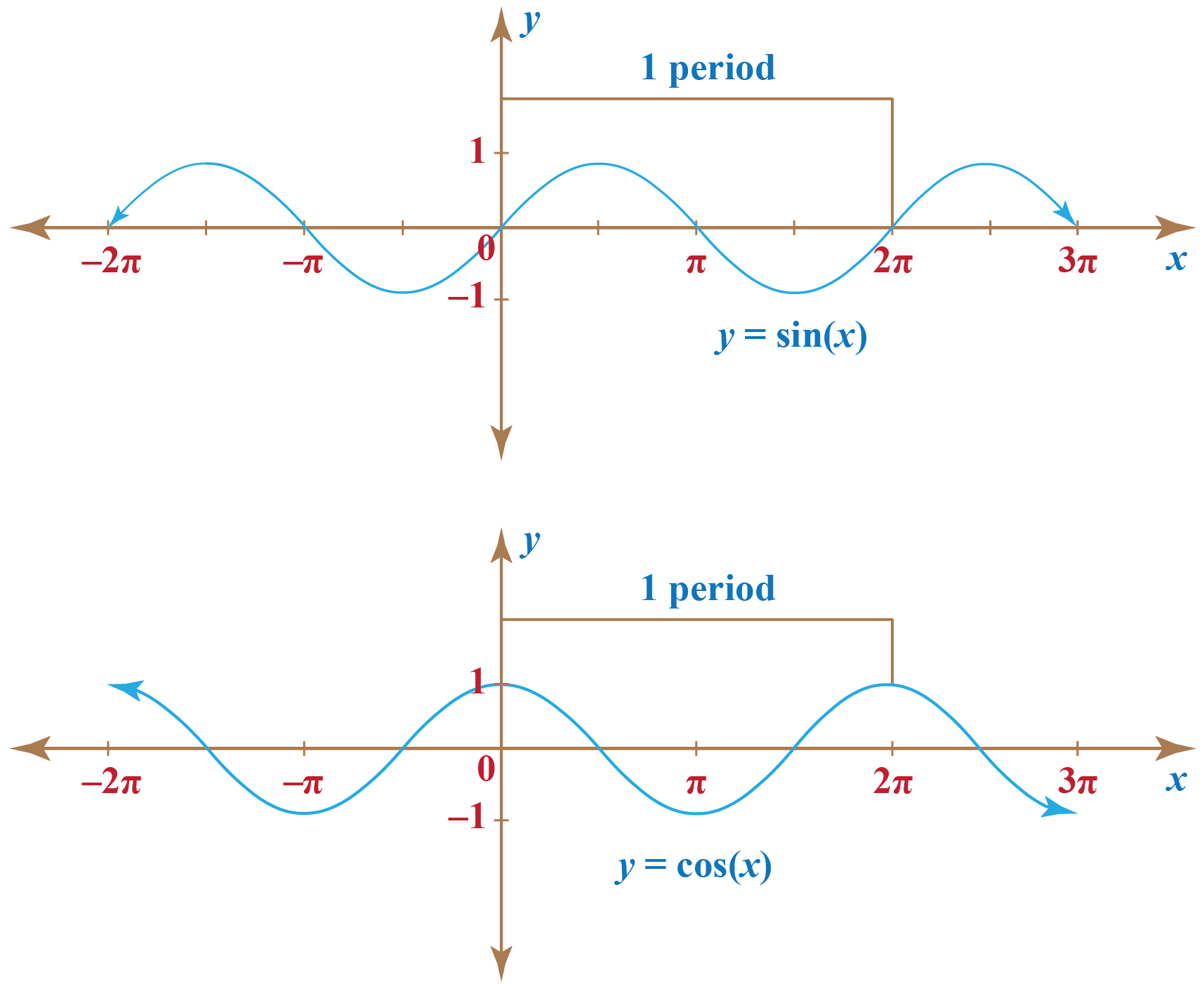
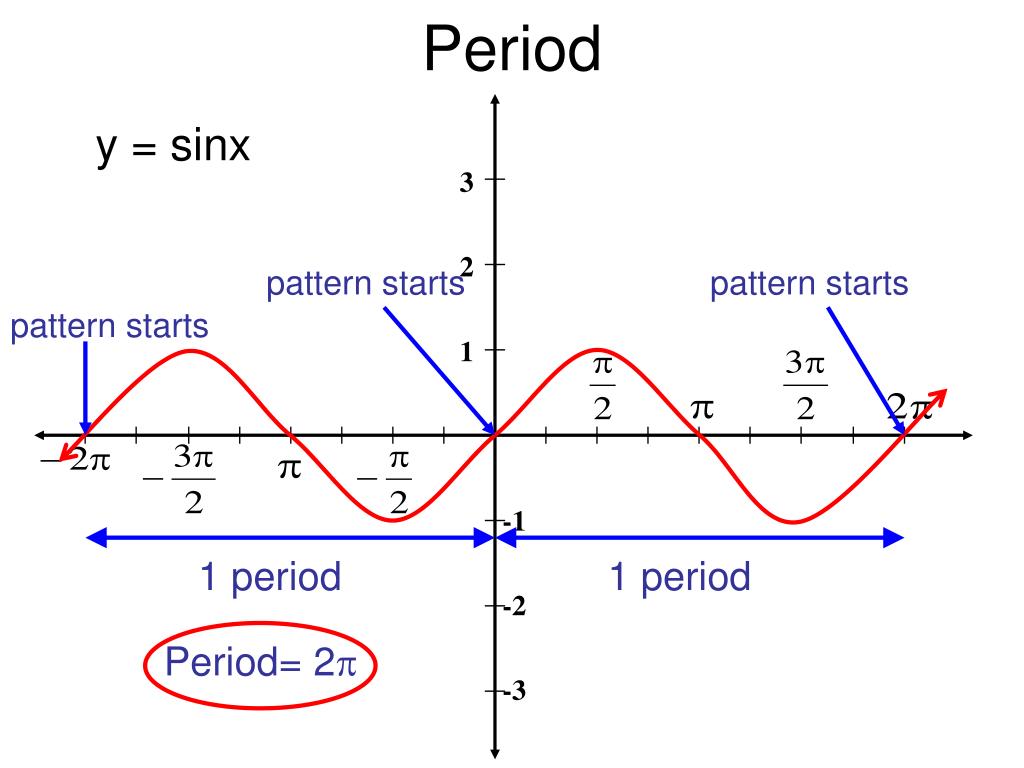
For the basic sine function, like y = sin(x) or y = cos(x) (cosine waves are just sine waves shifted over a bit, sneaky!), the period is a cool 2π. That's because after 2π radians (around 6.28, in case you're curious), the wave starts repeating its pattern. Mind. Blown?
The Impact of Coefficients - A Little Sneaky Math
Now, things get a tad more interesting when we start adding numbers in front of our 'x' inside the sine or cosine. Like this: y = sin(bx). That "b" is a coefficient, and it messes with the period in a very specific way. (But not in a scary way, I promise!)
Ready for the magic formula? The period, in this case, is calculated as: 2π / |b|. Yep, that's all there is to it! We divide 2π by the absolute value of that 'b' coefficient. Why the absolute value? Because the period can’t be negative, right?
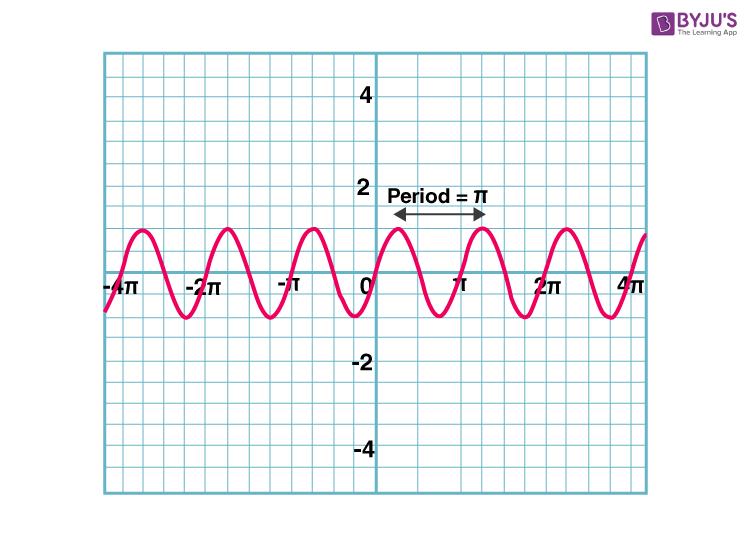
Let’s throw in a quick example! Suppose we have y = sin(2x). Our 'b' is 2. So, the period is 2π / 2 = π. Notice how the wave is now squished compared to our original y = sin(x)! It completes a full cycle in just π radians. Speedy little wave, isn't it?

Why Should We Care About The Period?
Excellent question! Knowing the period is super useful for a bunch of reasons! First, it allows us to accurately graph these sinusoidal functions. We know how long it takes to complete one cycle, so we can just copy and paste that same shape over and over again to get the full picture.
Second, it's crucial in many real-world applications! Think about sound waves, alternating current electricity, oscillating springs… all these phenomena can be modeled using sinusoidal functions. Understanding the period helps us understand the frequency (how many cycles per second), which tells us about the pitch of a sound or the voltage of an electrical signal, for example.
Third, it helps us understand the behavior of the function. If you double 'b', you cut the period in half. This means you double the frequency, and so on. It gives us the power to predict what these wiggly guys are gonna do!
So, there you have it! The period of a sinusoidal function is simply the length of one complete cycle. Find it using the 2π / |b| formula. Armed with this knowledge, you are now a sinusoidal ninja!
Now go forth and conquer those waves! (And maybe grab another cup of coffee. This math is thirsty work!)