What Is The Name Of The Storm
Ever tried to talk about that one amazing pizza place, but you just can't remember its name? Or maybe you're telling a story about "that dog, you know, the fluffy one?" It’s a bit frustrating, right? Names, it turns out, are pretty powerful. They help us pinpoint, remember, and talk about things with clarity. And guess what? That applies to those big, blustery visitors we call storms, too!
You might have heard a meteorologist on the news casually mention "Hurricane Fiona" or "Tropical Storm Harold" and wondered, "Who gives these things names, and why do they bother?" Well, pull up a comfy chair, because it's a much more interesting (and surprisingly helpful) story than you might think.
Why Do We Even Name Storms? It’s Not Just for Fun!
Imagine your neighborhood suddenly has five new dogs running around, all looking kind of similar. If you try to tell your friend, "Hey, that brown dog barked at me!", they might reply, "Which brown dog?" Now, if one is named Buster and another is named Daisy, it's suddenly much easier to talk about them, isn't it?
Must Read
Storms are exactly the same, but with much higher stakes. When a couple of big weather systems are swirling around the ocean at the same time, giving each one a unique, easy-to-remember name is an absolute game-changer. It helps prevent a whole lot of confusion, which is pretty crucial when we're talking about things that can affect lives and property.
Think about it: news reports, emergency alerts, meteorologists tracking their paths, even just you chatting with a neighbor about what's heading your way. Saying, "Are you ready for Hurricane Emily?" is a lot clearer and more effective than "Are you ready for the big storm currently off the coast of Florida, no, not that other one, the one that formed yesterday?" It ensures everyone is on the same page, literally and figuratively.
Beyond Confusion: Safety and Tracking
The primary reason for naming storms boils down to communication and safety. When a storm is named, it’s like giving it a personal identity. This makes it far easier for emergency services to issue specific warnings and evacuation orders. "Evacuate ahead of Hurricane Brenda" is direct and actionable. It helps people understand the immediate threat and what they need to do.
It’s also incredibly helpful for tracking and historical records. Scientists can look back and study "Hurricane Katrina" or "Super Typhoon Haiyan" and learn vital lessons about their formation, intensity, and impact. This helps us better predict and prepare for future storms. Without names, it would just be a jumble of dates and coordinates, making long-term research much more cumbersome.
Who's In Charge of the Name Game?
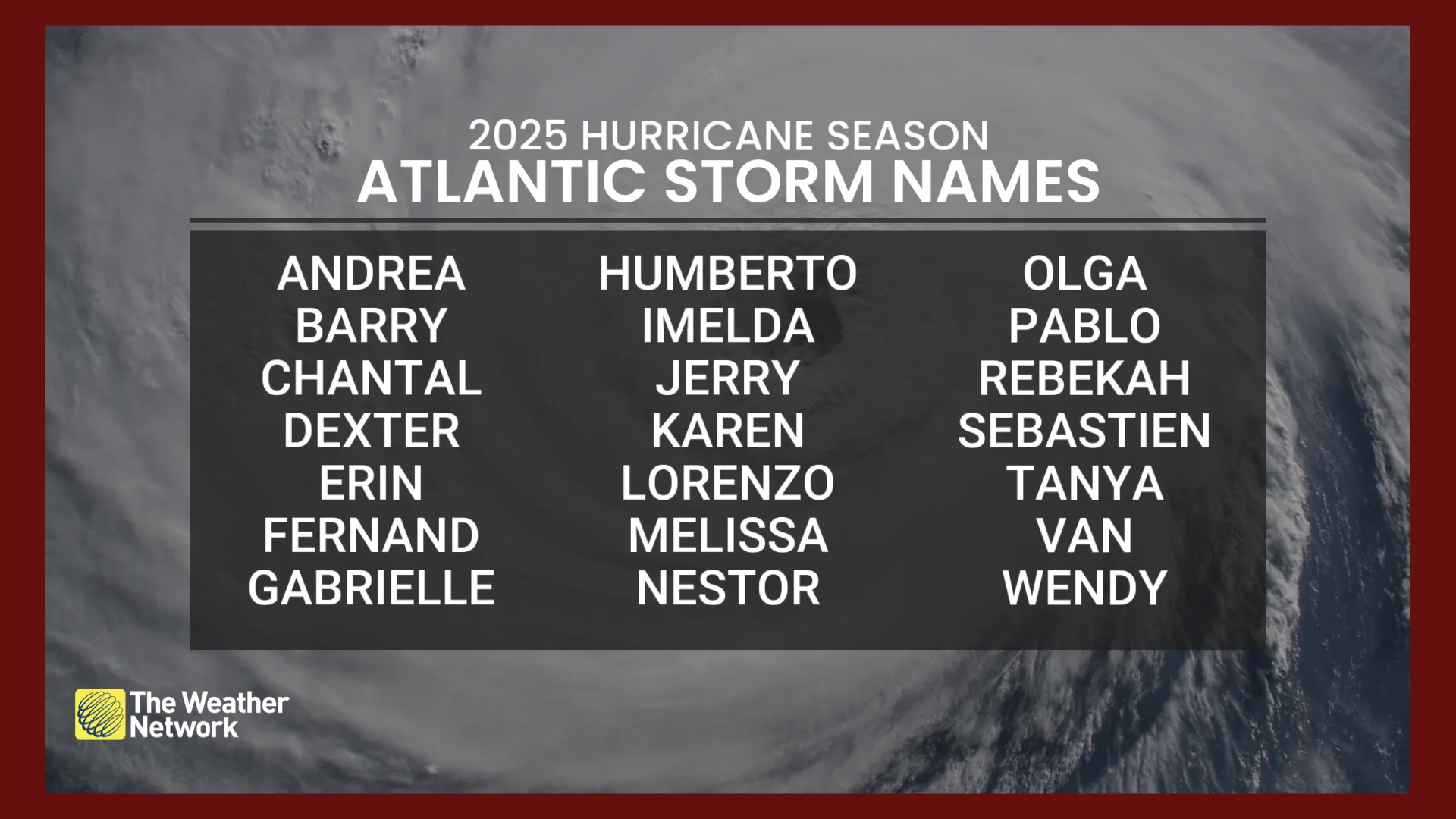
For the big ones – hurricanes, typhoons, and tropical cyclones – the naming isn't just random. It’s a carefully organized system managed by international committees under the World Meteorological Organization (WMO). They maintain lists of names for different ocean basins around the world.
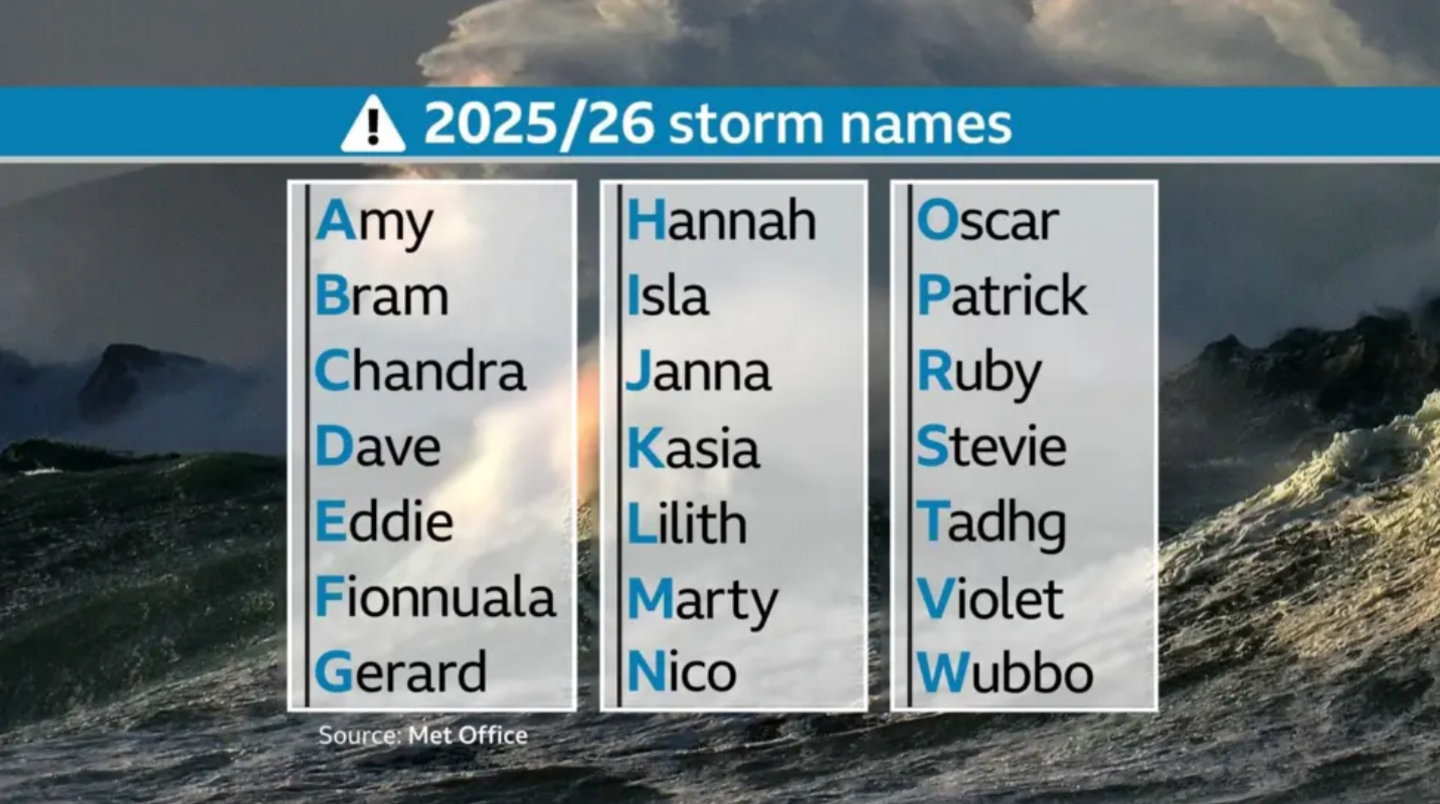
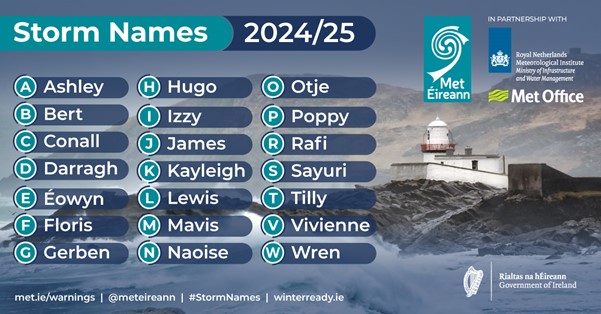
These lists typically alternate between male and female names, in alphabetical order, and are recycled every six years. So, a name like "Arthur" or "Bertha" might pop up again a few years down the line, provided it wasn't particularly devastating. If a storm is extremely destructive and causes immense loss of life or property, its name is retired. Names like Katrina, Sandy, and Irma won’t be used again out of respect and to avoid confusion with future events. It’s like retiring a sports jersey number – a way to acknowledge its significant impact.
What About Other Storms?
While tropical cyclones get all the formal name treatment, other types of storms, like winter storms or blizzards, generally aren't named by the WMO. Sometimes, private weather organizations might assign names to significant winter storms to help with public awareness, but this isn't universally adopted in the same official way as hurricane naming.
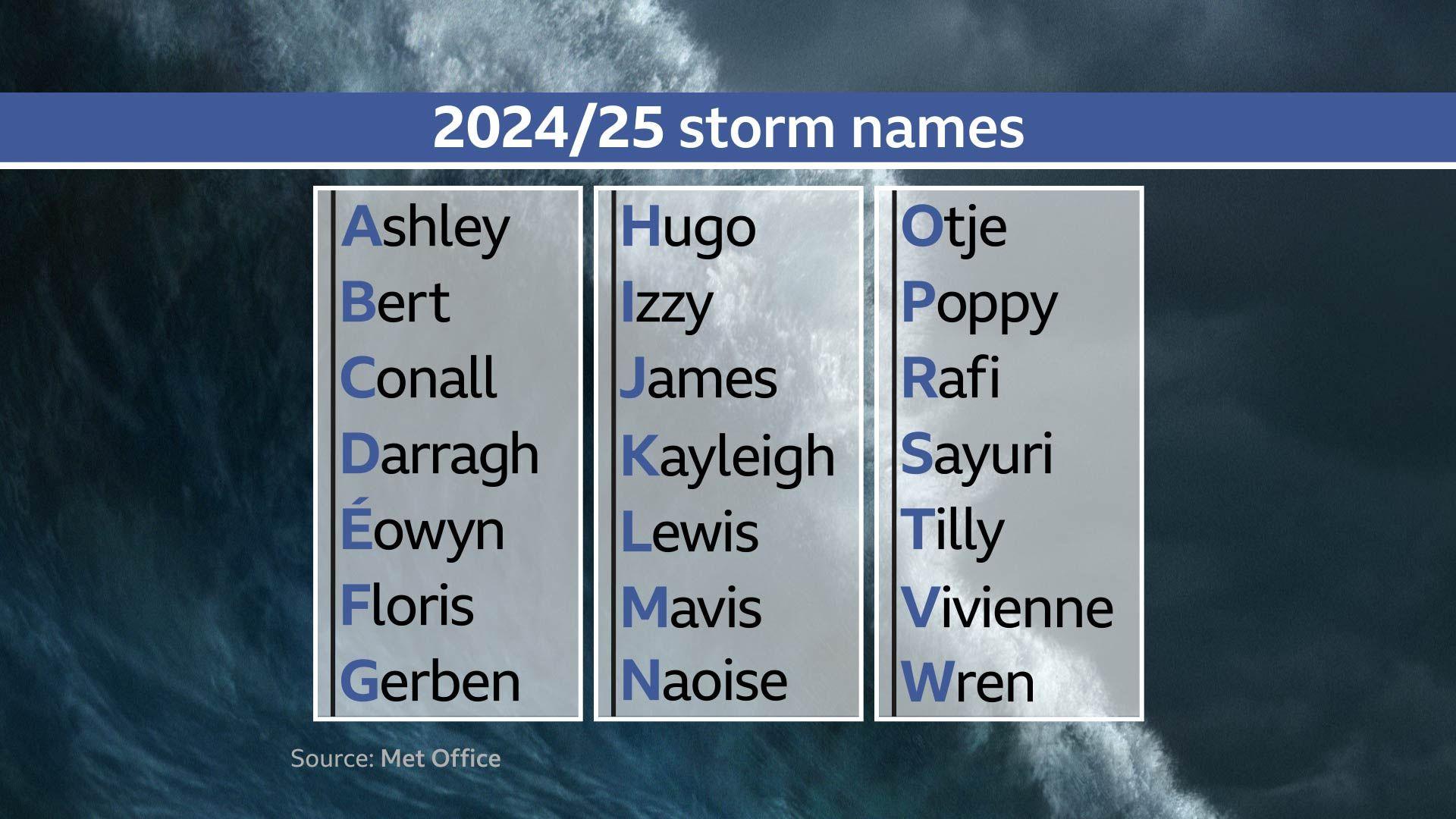
The important thing is that for any weather event that poses a significant threat, clear communication is paramount. Whether it's a formal name or a clear description, the goal is always to keep you informed and safe.
Why Should You Care?
Okay, so maybe you’re not a meteorologist, and you don’t plan on studying historical storm data. But knowing why storms are named can actually make you feel a little more connected to the weather news. When you hear "Tropical Storm Grace is strengthening," it's not just an abstract weather pattern; it's Grace, and you know there's a specific, named entity that warrants your attention.
It makes the information more digestible, more memorable, and ultimately, helps you respond better. It’s about being an informed citizen, understanding the world around you, and knowing when to take precautions. So the next time you hear a storm's name on the news, give a little nod of appreciation to the system that helps keep us all a bit safer and a lot less confused.