What Is The Name Of Next Storm
Hey there! Grab a mug, pull up a chair. We need to chat about something that probably pops into your head every time the wind starts howling and the sky turns a funny shade of grey. You know, when the news anchors are all serious and they drop the name of the latest atmospheric drama. Like, who decides these names? And more importantly, what’s the name of the next one? Are they just pulling them out of a hat? Because, let’s be real, some of them sound like your eccentric great-aunt, right?
So, Who's Naming These Things Anyway?
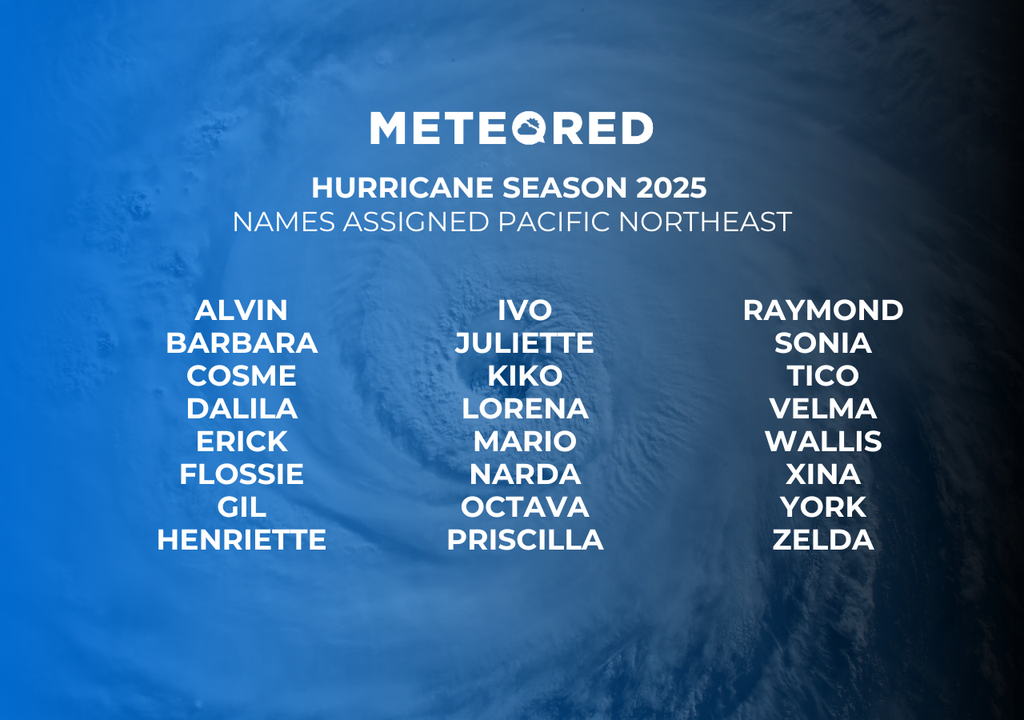
Okay, spill the beans time. It's not a secret society of weather wizards, sadly. No mystical crystal ball or ancient scrolls involved. The truth, while a little less dramatic, is actually pretty cool. It’s all about pre-determined lists. Yep, lists! The World Meteorological Organization (WMO) has a whole system in place, especially for tropical storms and hurricanes, because, well, they're kind of a big deal.
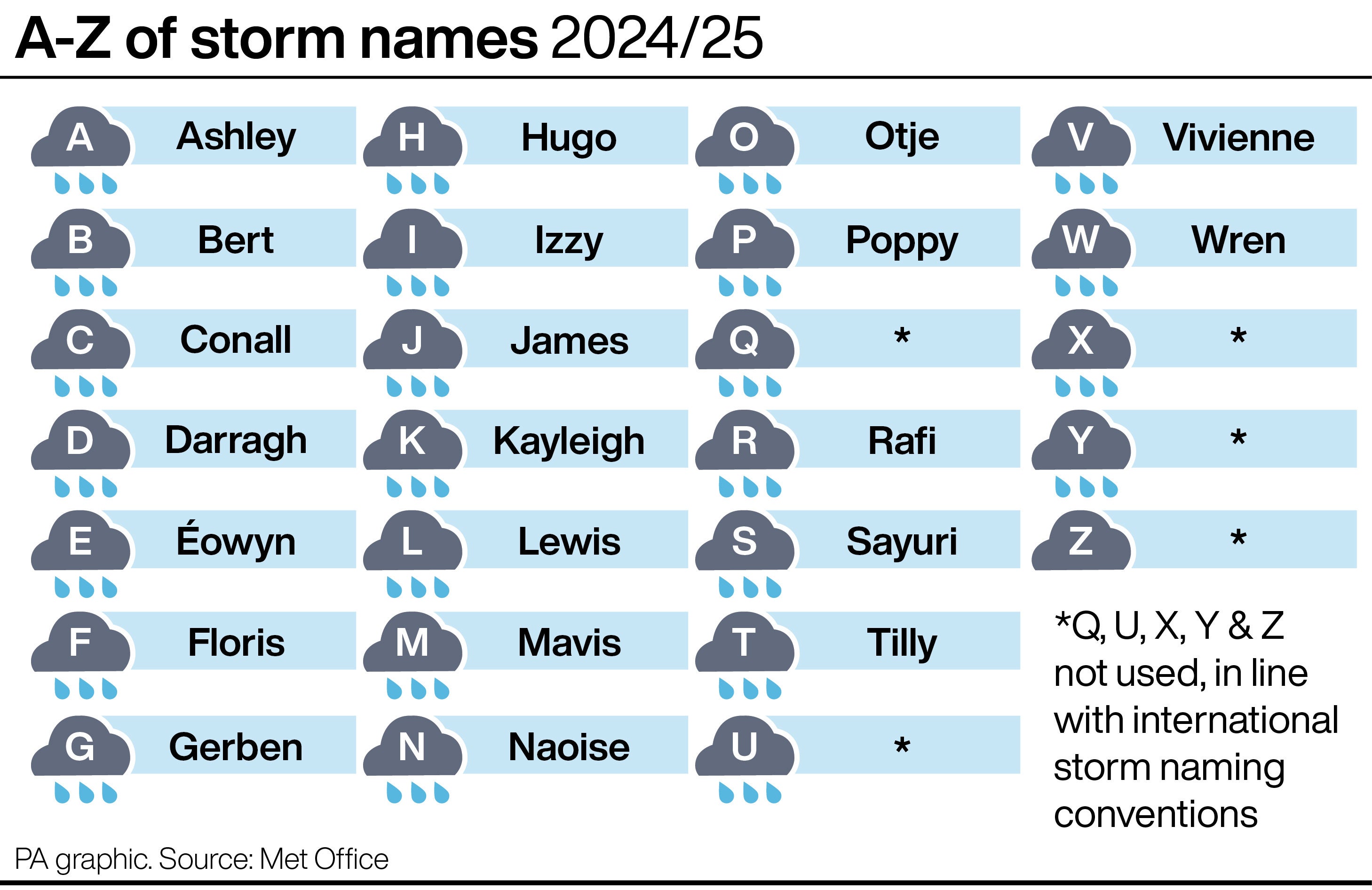
Think of it like this: for different parts of the world (like the Atlantic basin, the Eastern North Pacific, etc.), they have these separate, rotating lists of names. Each list has 21 names, skipping Q, U, X, Y, Z because, let's be honest, finding enough good names starting with those letters would be a nightmare. Imagine a Hurricane Xanthippe! A bit much, maybe?
Must Read
They go in alphabetical order, alternating between male and female names. So, if the first storm of the season is Arthur (a guy!), the next one will be a lovely lady name, then back to a dude, and so on. It’s all very polite and equitable, you know?
The Method Behind the Madness (or Lack Thereof)
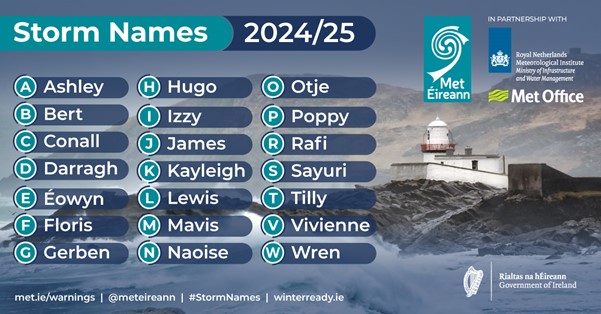
The really clever bit? These lists repeat every six years. So, if we had a Hurricane Betty back in, say, 2018, you can bet your bottom dollar Betty might make a comeback in 2024, assuming her namesake wasn't too destructive. Which brings us to a rather important point: name retirement.
If a storm is particularly nasty – causes immense damage, loss of life, generally just a total terror – its name gets retired. Like, forever. It’s a mark of respect, a way to avoid trivializing a disaster, and also, let's be honest, nobody wants to hear "Hurricane Katrina" again if they've lived through it. So, no more Harvey, Irma, Maria, or Sandy. Those names are in the hall of fame (or infamy, depending on how you look at it) and won't be reused.
This means when a name is retired, they just grab another name starting with the same letter and gender from a supplementary list. It’s like a careful little storm name shuffle!
So, What's Next? (Drumroll Please!)
Alright, so you're itching to know the exact name, right? Well, that depends on a few things: where you are, and how many storms have already happened this year in your region. Since I don't know if you're sipping your coffee in Florida or Fiji, I can't give you the definitive name without knowing the context!
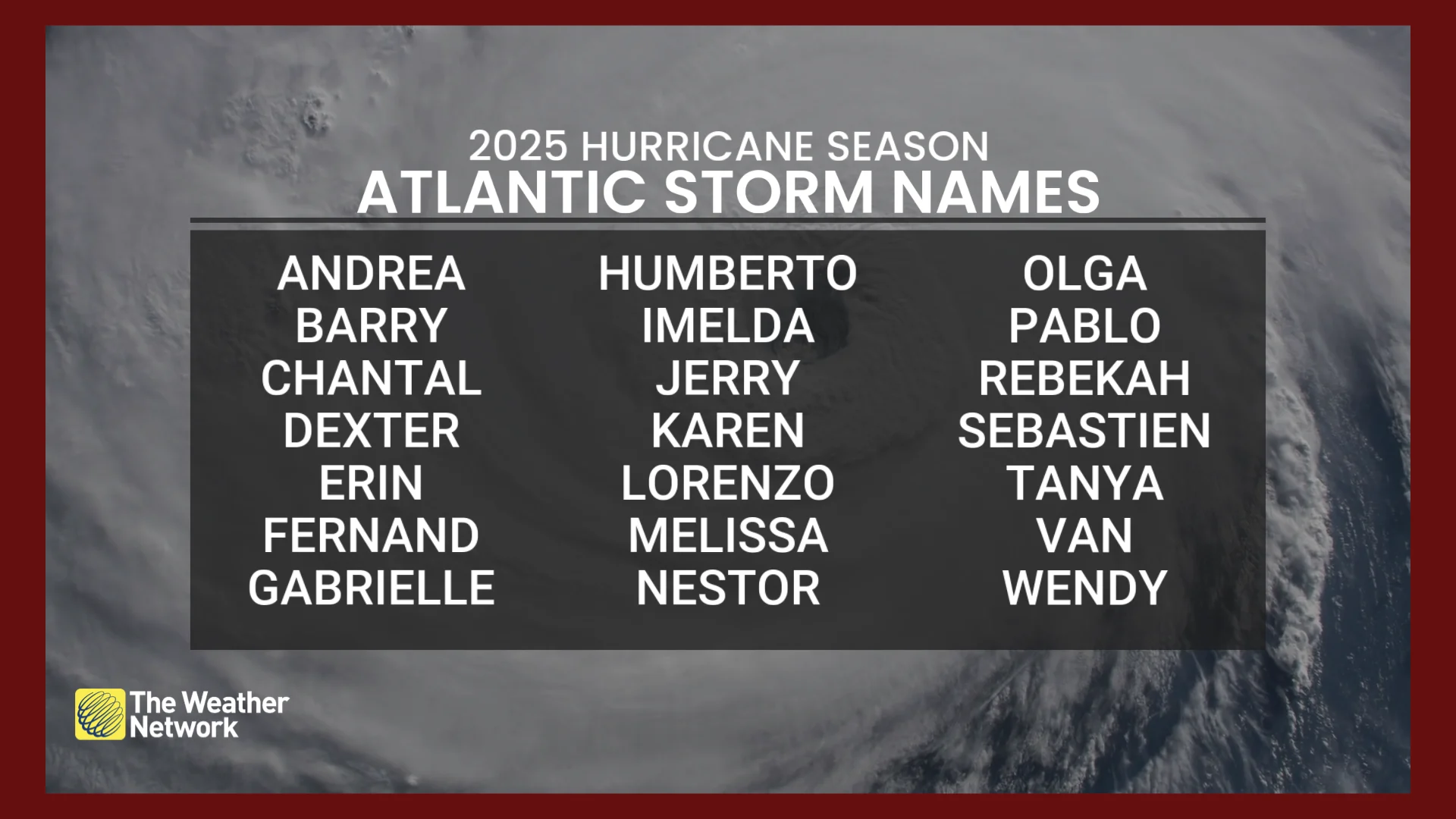
But here's the fun part: you can easily look up the current year's storm name list for your region. For example, for the Atlantic basin (think US East Coast, Caribbean), if the storms have already made it past, say, "Fred" and "Grace," then the next one will be "Henri." See? It's just working its way down the alphabet!
The whole naming thing, while a bit quirky, actually serves a super important purpose. It makes it easier to talk about specific storms without confusion. "The hurricane that just passed over Florida" is a bit vague, right? But "Hurricane Ian"? Crystal clear. It helps meteorologists, emergency services, media, and us ordinary folks keep track of multiple systems at once. Less confusion means better preparedness, and that’s a good thing!
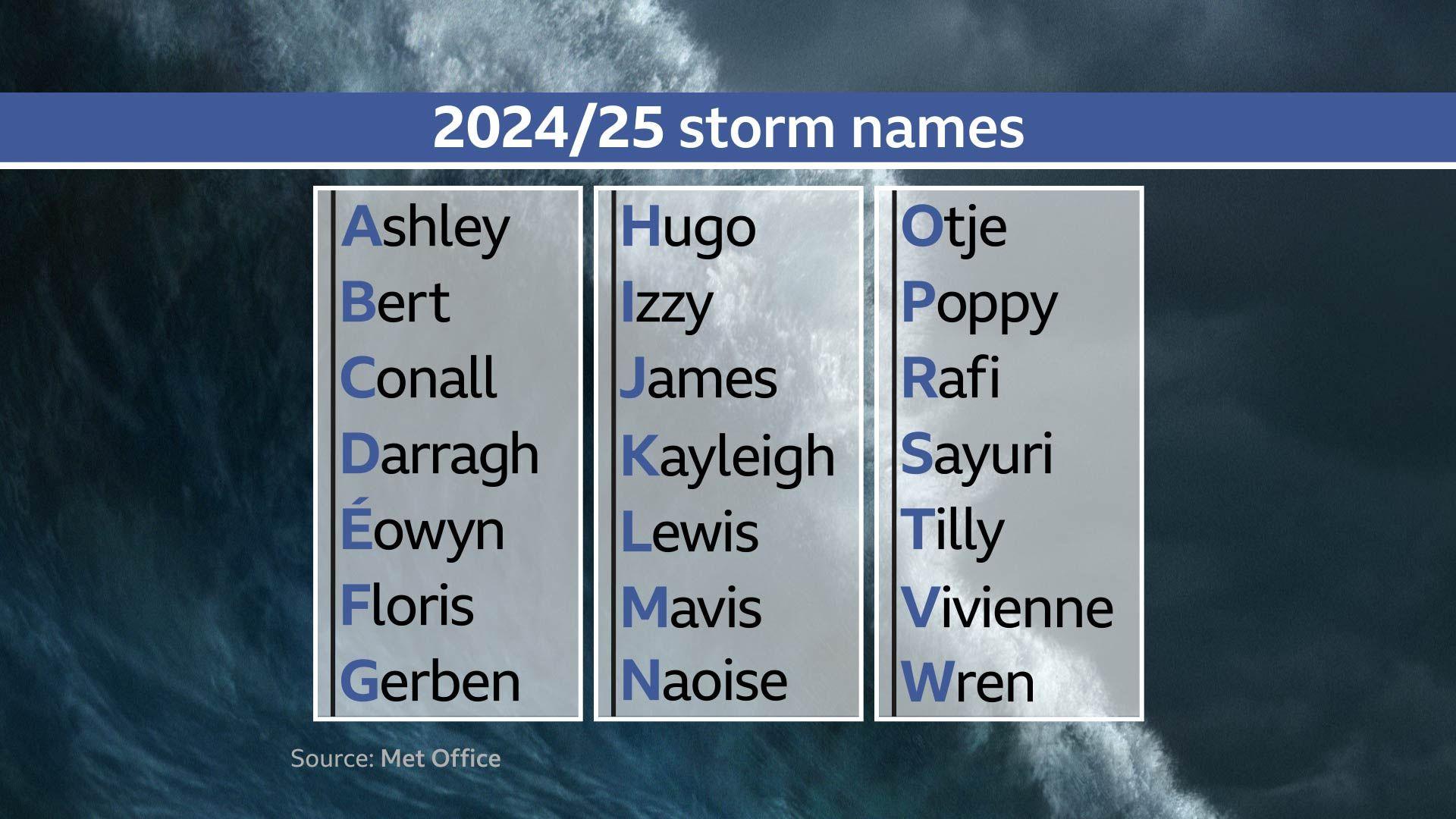
Fun with Names (and the Not-So-Fun Parts)
I always find it a bit wild how some names just sound... well, more stormy than others. Like, a "Hurricane Esmeralda" sounds quite different from a "Hurricane Bob," doesn't it? (Though, let's be real, a Hurricane Bob could probably still do some serious damage!). It's all just alphabetical chance.
It's fascinating, really, how something so potentially devastating gets assigned a name that could easily belong to your neighbor, your cousin, or even your beloved pet (though they usually stick to human names, thank goodness! Imagine Hurricane Fido). But beneath the slightly whimsical nature of the naming process lies a very serious reality: these names represent powerful forces of nature that demand our respect and attention.
So, the next time you hear a storm name on the news, you’ll know it’s not some random pick. It’s part of a carefully considered, international system designed to keep us all a little safer and a lot more informed. Now, about that second cup of coffee?