What Is The Most Energy Efficient Light Bulb
Okay, let’s talk light bulbs. Not exactly the sexiest topic, right? I mean, who wakes up thinking, "Ooh, I can't wait to delve into the fascinating world of illumination!" Probably no one. But hey, we all use them, and they're silently eating away at our wallets like tiny energy-vampires. So, let's figure out which ones are the least thirsty!
We're aiming for the holy grail of lighting: maximum brightness, minimum cost. Think of it like trying to get your toddler to eat their vegetables: you want the good stuff (nutrients/light) without the epic meltdown (energy bill).
The Contenders: A Light Bulb Lineup
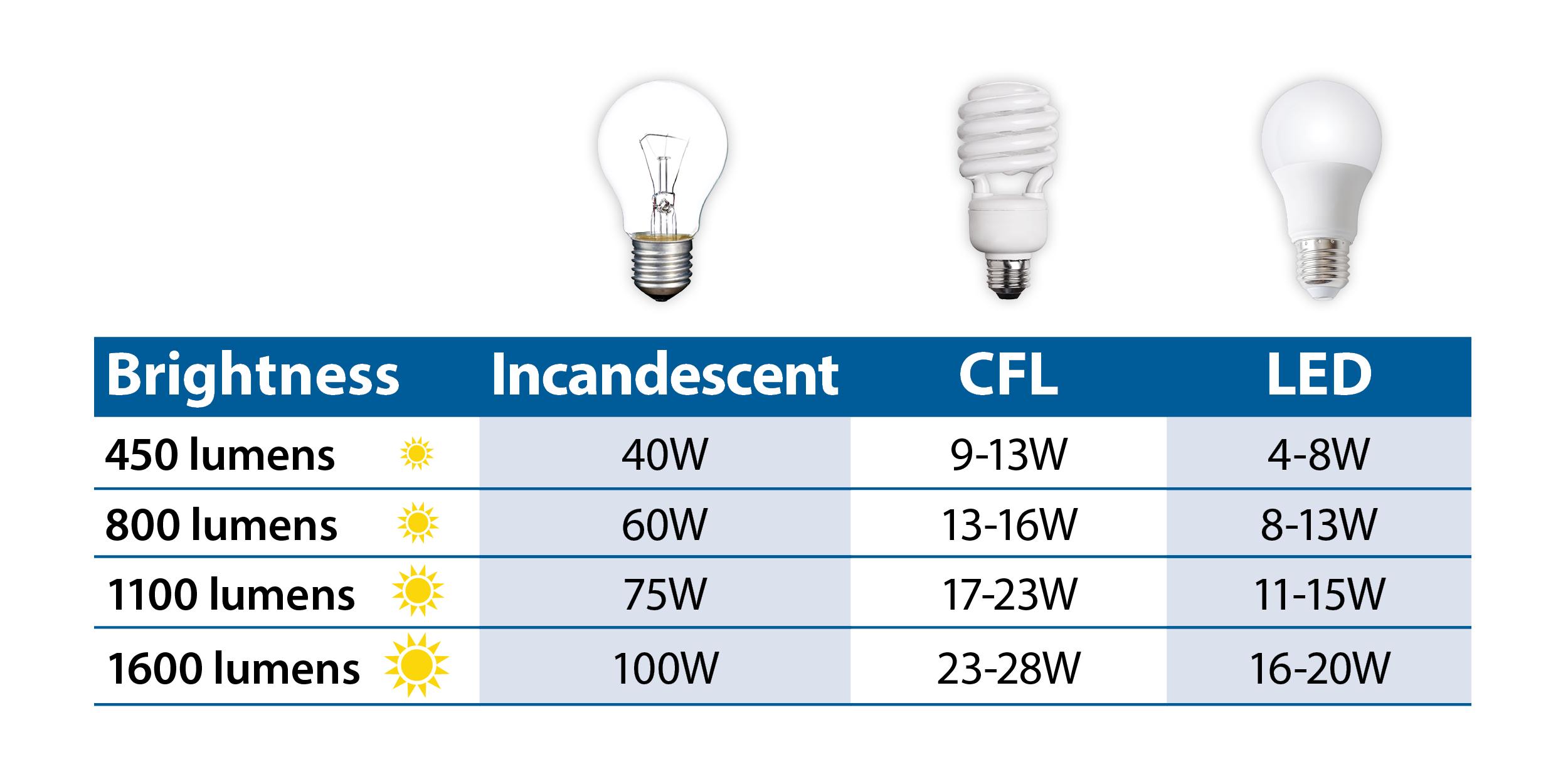
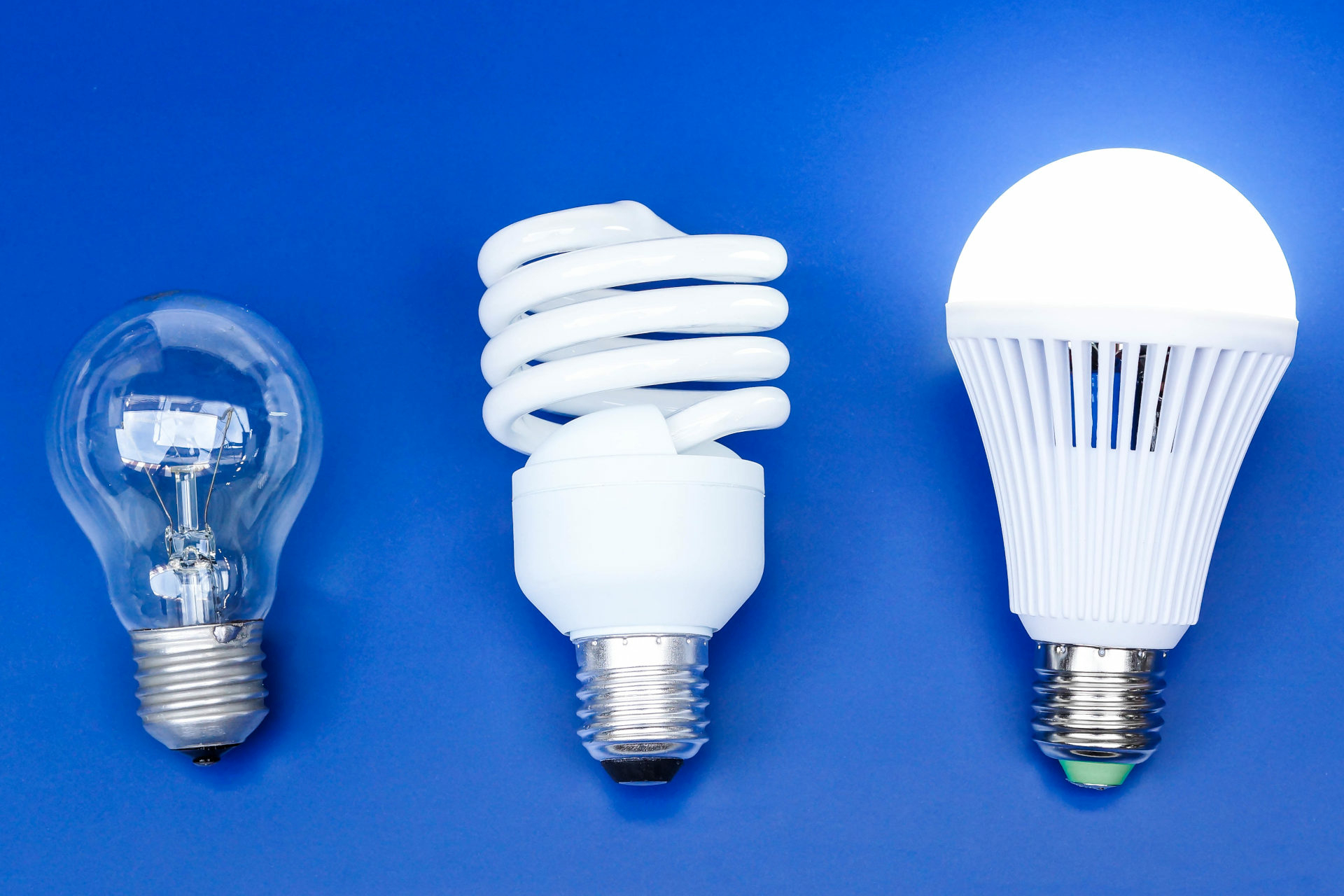
So, who are our players in this illuminating game of energy efficiency? We've got a few: incandescent, halogen, CFLs (Compact Fluorescent Lamps), and the rockstar of the show: LEDs (Light Emitting Diodes).
Must Read
Remember incandescent bulbs? Those old-school, warm, yellowish ones that burned out quicker than you could say "Dang it!"? They're like that friend who always promises to pay you back but… well, you know. They're comforting, familiar, but definitely not energy-efficient. They’re basically little heaters that happen to produce light as a byproduct.
Halogen bulbs are like the slightly more ambitious cousin of the incandescent. A bit brighter, a bit longer-lasting, but still… pretty power-hungry. Think of them as the "I'll only order dessert sometimes" of the lighting world. A small improvement, but not a game-changer.
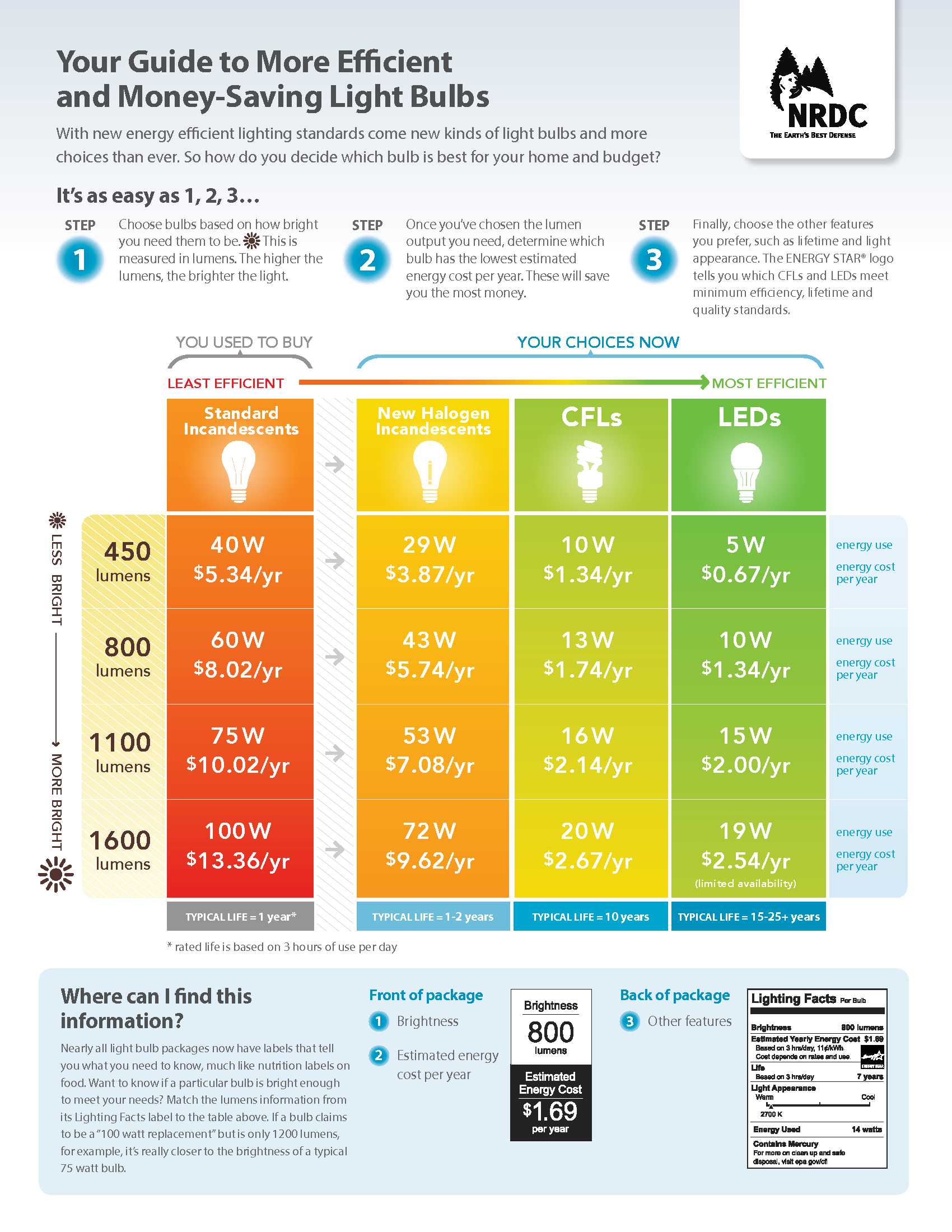
Then came CFLs. These squiggly-looking bulbs were all the rage for a while. They were supposed to be the future! And they were, for a minute. They used less energy than incandescents, which was great. However, they had a few quirks. Remember that slow, agonizing warm-up time? It felt like waiting for dial-up internet to connect in the early 2000s. Plus, they contain mercury, which isn't exactly ideal if one shatters. It felt like you needed a hazmat suit just to change a light bulb!
The Champion: LEDs – The Energy-Saving Superhero
And now, drumroll please… the undisputed champion of energy efficiency: LEDs!
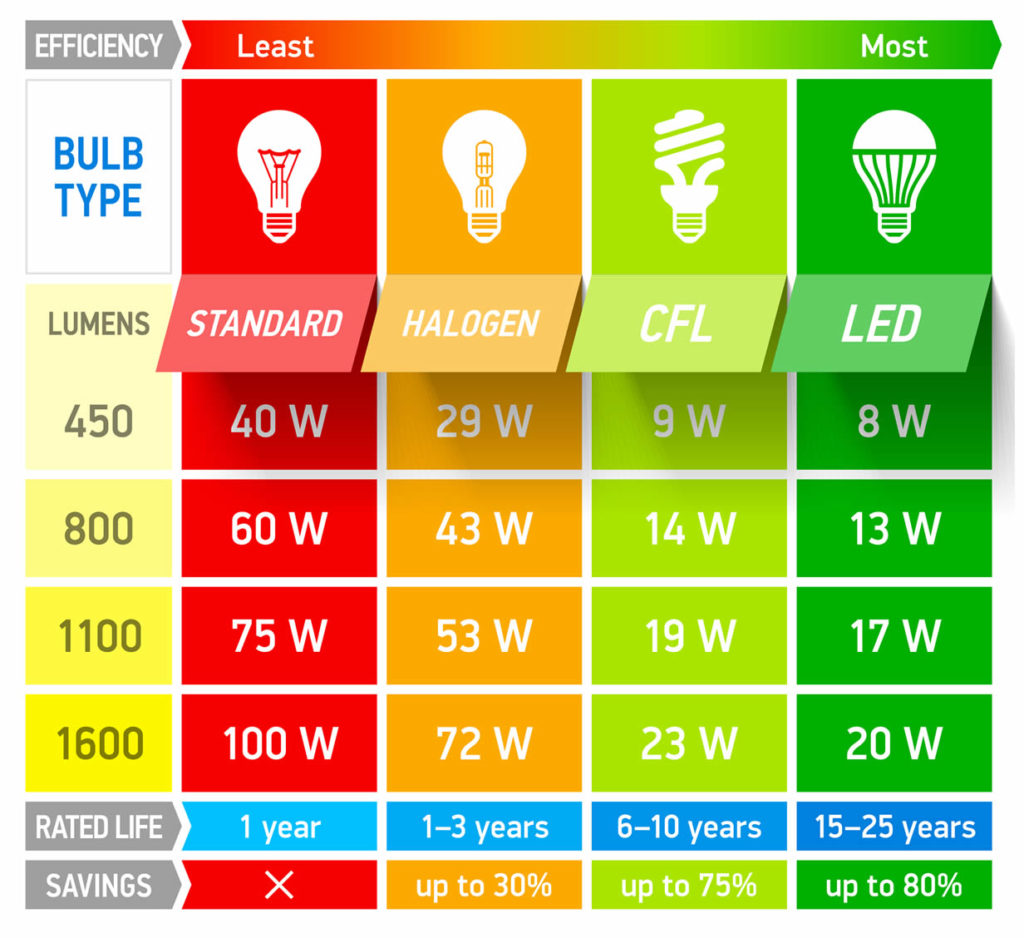
LEDs are like the Elon Musk of light bulbs. They're sleek, technologically advanced, and incredibly efficient. They use up to 75% less energy than incandescent bulbs and last way longer. We're talking years, not months. Imagine changing your light bulbs so rarely that you almost forget how to do it. (Okay, maybe that's a slight exaggeration, but you get the point.)
Think of it this way: if an incandescent bulb is a gas-guzzling monster truck, an LED is a sleek electric car. Both get you where you need to go (illuminate your living room), but one does it with far less impact on your wallet and the planet.
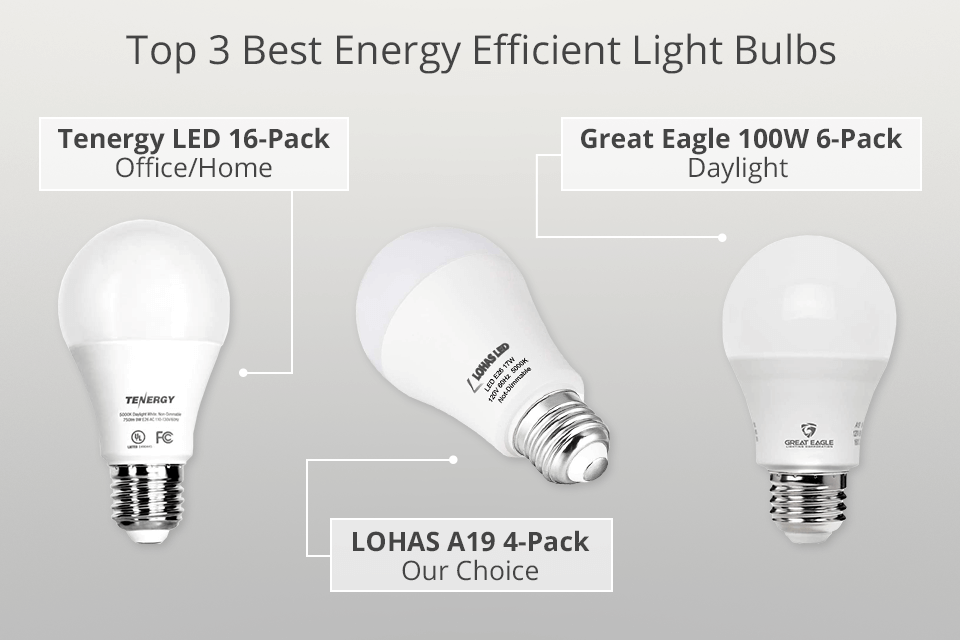
They’re also getting cheaper and cheaper, making them even more accessible. Remember when LEDs were only for fancy recessed lighting or those weird color-changing strips under your kitchen cabinets? Now you can get them for practically every fixture in your house.
Beyond the Bulb: Other Energy-Saving Tips
Of course, choosing LEDs is just one piece of the puzzle. You can also:
- Turn off the lights when you leave a room. Sounds obvious, but how often do we actually do it? It's like flossing – we know we should, but…
- Use dimmer switches. This lets you control the brightness of your lights, using less energy when you don't need full illumination.
- Embrace natural light. Open those blinds and let the sunshine in! It's free, it's good for you, and it makes your plants happy.
So, there you have it! LEDs are the clear winner when it comes to energy-efficient lighting. They might cost a bit more upfront, but the long-term savings are well worth it. Plus, you'll feel good knowing you're doing your part to save energy and reduce your carbon footprint. Now go forth and illuminate responsibly!