What Is The Most Efficient Renewable Energy Source
Let's face it, we all love a good "green" solution, right? Whether it's diligently sorting your recycling, buying organic produce, or patting yourself on the back for remembering your reusable shopping bags (go you!), the feeling of contributing to a healthier planet is pretty satisfying. But when it comes to the big kahuna – powering our entire world with renewable energy – things get a bit more complicated. So, what's the most efficient renewable energy source? Buckle up, because the answer might surprise you.
Why does this even matter? Well, aside from saving the polar bears and future generations (which are both pretty compelling reasons), renewable energy directly impacts our everyday lives. It's about having reliable electricity to power our homes, keep our businesses running, and connect us to the world. It's about cleaner air to breathe and reducing our dependence on fossil fuels, which are finite and contribute to climate change. In short, investing in efficient renewable energy is investing in a better future for everyone.
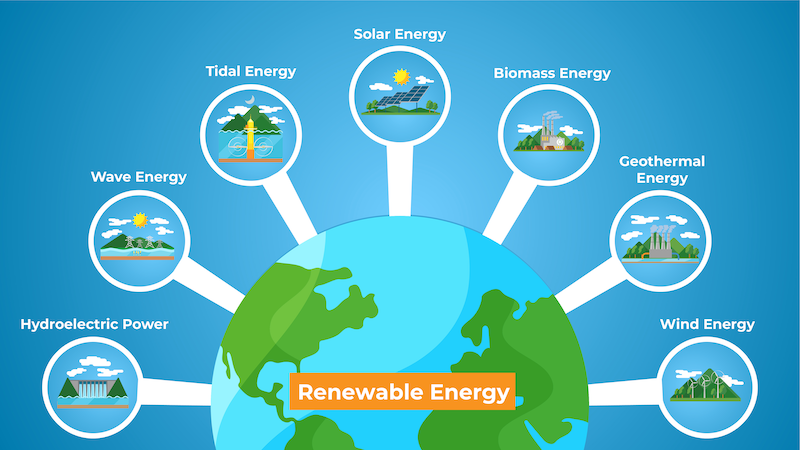
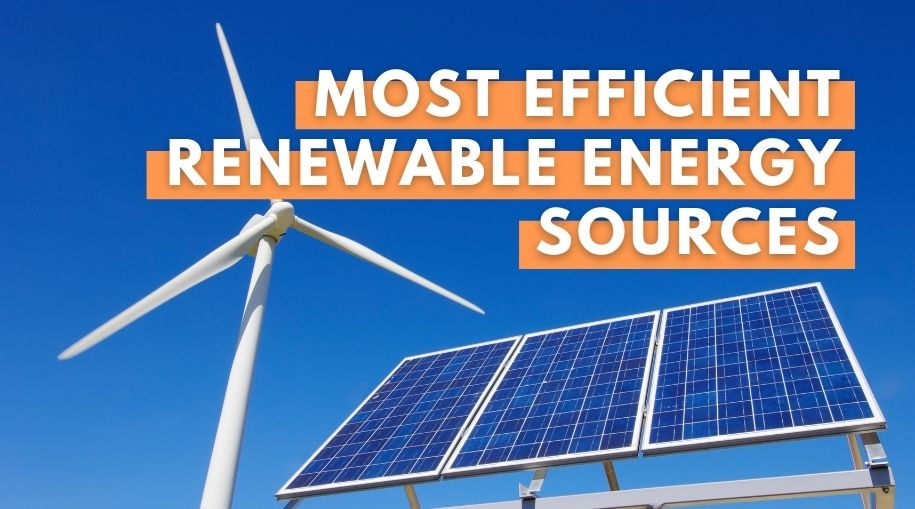
You're probably thinking, "Okay, okay, but get to the point! Solar? Wind? Geothermal?" And the truth is, there's no single, universally superior answer. Each renewable energy source has its strengths and weaknesses, and efficiency depends heavily on location, technology, and even the time of day. Solar power, for example, is fantastic in sunny regions like California and Arizona. We see it everywhere: rooftop panels, solar farms, even powering small devices like garden lights. Wind energy thrives in windy areas, turning those massive turbines we often see on hillsides and plains. But both solar and wind are intermittent; they depend on the sun shining and the wind blowing, which aren't always guaranteed.
Must Read
Hydropower, using the energy of moving water, is a mature and reliable technology, but building dams can have significant environmental impacts. Geothermal energy, harnessing the Earth's internal heat, is incredibly efficient where it's accessible, like Iceland, but it's not available everywhere. Finally, biomass, using organic matter like wood or crops, can be renewable if managed sustainably, but it can also contribute to deforestation if not done right.

So, what can we do to enjoy (and benefit from) renewable energy more effectively? Firstly, support policies that encourage the development and deployment of renewable energy technologies. Talk to your representatives, vote with the environment in mind, and be an advocate for a sustainable energy future. Secondly, consider installing solar panels on your home if it's feasible and affordable. Many governments offer incentives and rebates to make it more accessible. Thirdly, reduce your overall energy consumption. Turn off lights when you leave a room, unplug electronics when they're not in use, and invest in energy-efficient appliances. Every little bit helps!
Ultimately, the "most efficient" renewable energy source is the one that works best for your specific context and contributes to a diverse and resilient energy mix. By understanding the strengths and limitations of each option, and by taking action to support their development, we can all play a role in building a cleaner, brighter, and more sustainable future. And that, my friends, is something worth celebrating.