What Is The Most Efficient Fuel For A Generator
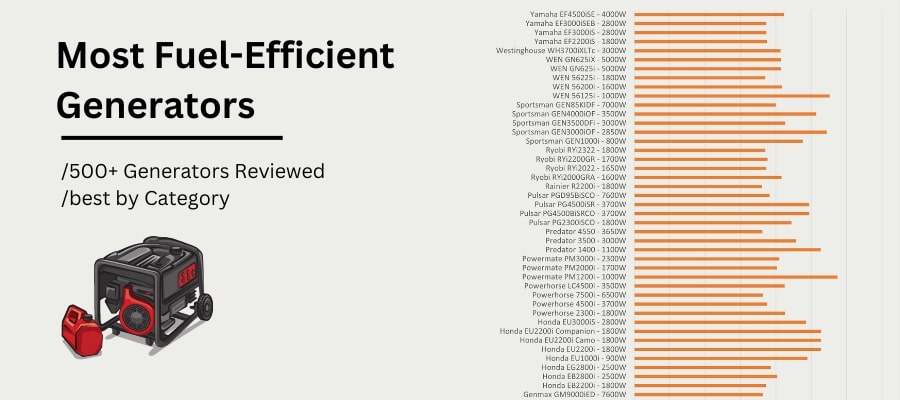
Let's face it, thinking about generator fuel might not seem like the most exciting topic at first glance. But trust me, understanding your fuel options can be surprisingly empowering! Whether you're prepping for a potential power outage, planning a fun camping trip, or just want to be a savvy homeowner, knowing which fuel is most efficient for your generator can save you money, hassle, and maybe even a little frustration. Think of it as unlocking a secret level of preparedness!
So, who benefits from understanding generator fuel efficiency? Well, pretty much everyone! For beginners, it's about choosing the right generator and fuel type from the start, avoiding costly mistakes down the road. For families, it's all about peace of mind knowing you can keep the lights on and the fridge running during an emergency without breaking the bank. And for the hobbyists – the campers, tailgaters, and DIY enthusiasts – it's about maximizing your generator's performance for all your fun adventures.
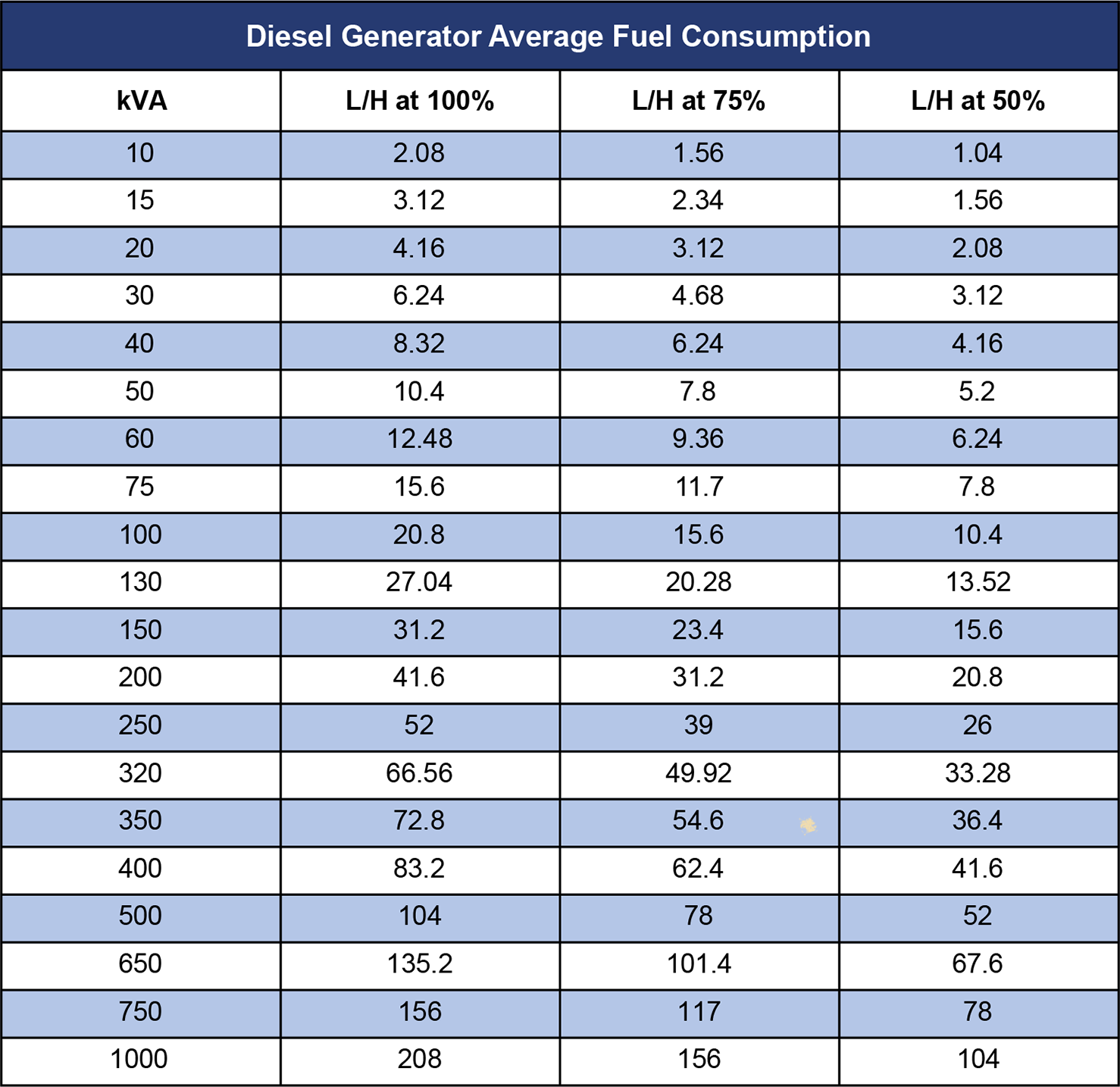
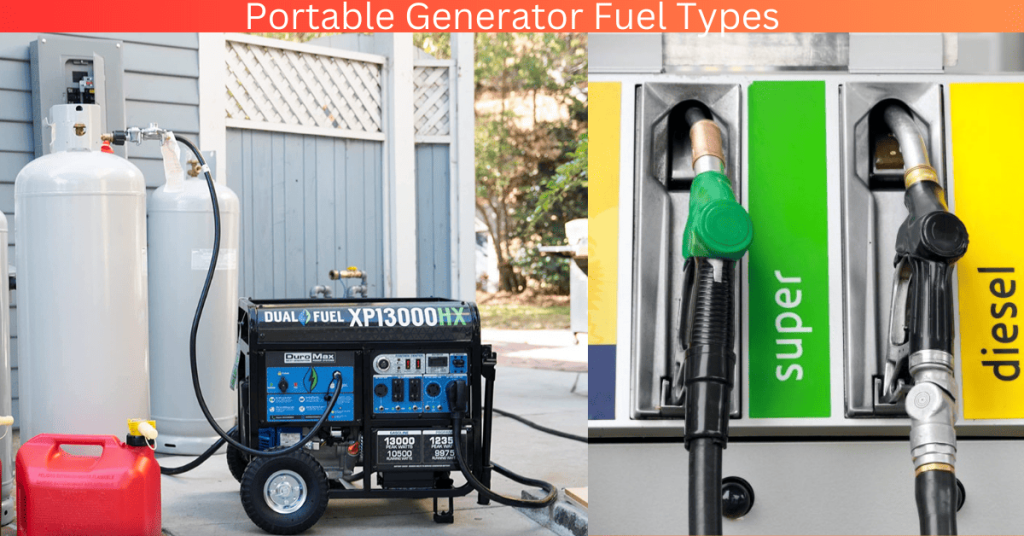
Now, let's talk fuel. The most common options are gasoline, propane, and natural gas, and sometimes diesel. Gasoline is readily available and relatively inexpensive upfront, making it a popular choice. However, it doesn't store well long-term and can become stale, requiring fuel stabilizers. Propane, on the other hand, has a longer shelf life and burns cleaner than gasoline, but you need to store propane tanks. Natural gas is often the most convenient if you have a natural gas line, as you never have to worry about refueling. However, it usually requires a permanently installed generator. And lastly, diesel is known for its efficiency and durability, making it a good option for heavy-duty generators.
Must Read
The "most efficient" fuel really depends on your specific needs and circumstances. From a pure energy content perspective, diesel often wins. However, when you factor in cost, availability, storage, and generator type, the picture gets more complex. For example, if you only need a generator for occasional use during power outages, a gasoline-powered generator might be the most practical, even if it's not the absolute most efficient. If you live in an area prone to frequent outages and have access to natural gas, a natural gas generator could be the winner.
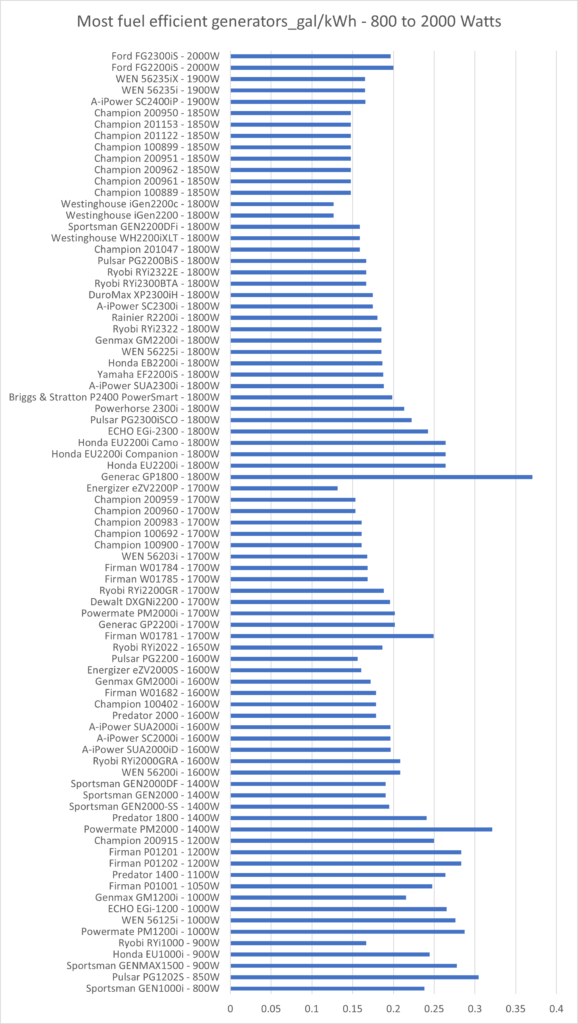
Here are a few practical tips to get you started: First, research the different types of generators and the fuels they use. Second, consider your power needs – how much power do you really need to run your essential appliances? Third, factor in the long-term cost of fuel, including storage and maintenance. And finally, don't be afraid to ask questions! Local hardware stores or generator specialists can offer valuable advice based on your specific situation. When comparing, remember that fuel efficiency is usually measured in kilowatt-hours per gallon, kilowatt-hours per pound or in the case of natural gas, kilowatt-hours per cubic foot.
Choosing the right generator fuel might seem daunting, but with a little research and planning, you can make a smart decision that provides reliable power and saves you money in the long run. So go ahead, explore your options, and get ready to experience the peace of mind that comes with being prepared! You might even find the process a little bit…dare I say…enjoyable!