
What Is The Most Destructive Hurricane In History

Alright, buckle up buttercups, because we're about to dive headfirst into a topic that's both a little scary and strangely fascinating: the most destructive hurricane in history. Now, before you think this is all doom and gloom, trust me, understanding these forces of nature can actually make life more interesting! (Seriously! Think about it: cocktail party conversation starters!).
So, what contender takes the crown for utter hurricane havoc? It's tricky, because "destructive" can mean different things. Are we talking about the highest wind speeds? The most lives lost? The most property damage? It's a hurricane popularity contest, but, like, with serious consequences. We need to be clear on this.
The Great Bhola Cyclone: A Tragedy of Unfathomable Scale
When it comes to lives lost, one hurricane (or rather, cyclone, as they're called in the Indian Ocean) stands head and shoulders above the rest: The Great Bhola Cyclone of 1970. This is not a feel-good story, I’ll admit that, but understanding its impact is crucial.
Must Read
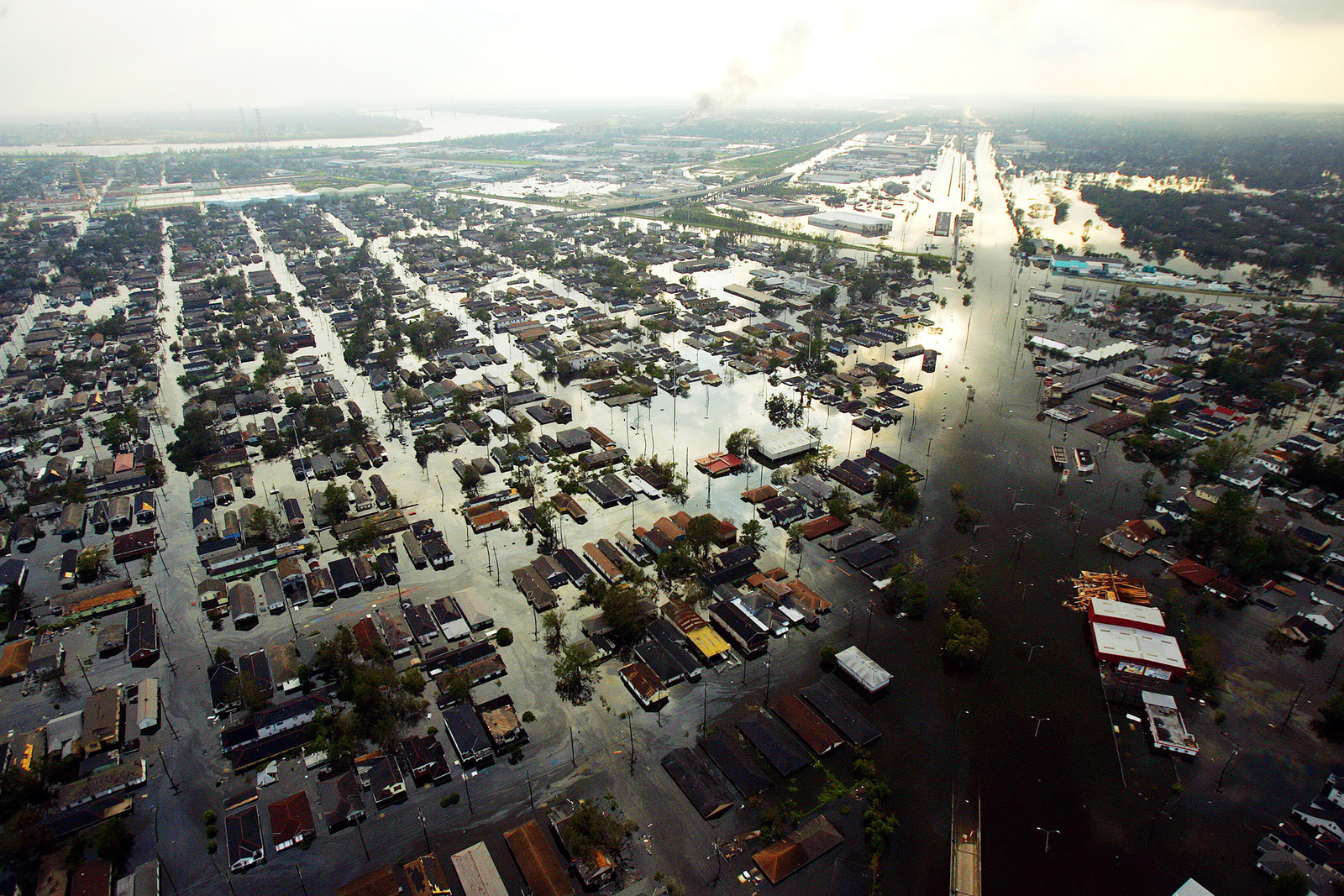
This monster slammed into what is now Bangladesh (then East Pakistan). Think about the context: a densely populated area, limited infrastructure, and inadequate warning systems. The result was a catastrophe. Official estimates put the death toll at around 300,000 to 500,000 people. Let that sink in for a moment. Half a million lives. It's almost impossible to truly comprehend the scale of such a tragedy.
Now, you might be thinking, “Okay, that’s unbelievably awful. How could that happen?” Well, consider the storm surge – a wall of water pushed inland by the hurricane's winds. Bhola’s storm surge was colossal, inundating low-lying coastal areas and washing away entire villages. It’s not just the wind, it's the water.
Beyond the immediate deaths, the Bhola Cyclone had long-lasting effects. It exacerbated existing political tensions and is even considered by some to be a contributing factor to the Bangladesh Liberation War in 1971. See? History and meteorology! Multitasking at its finest!
Hurricane Katrina: A Modern American Tragedy
Now, let's shift gears to a more recent and arguably more familiar disaster: Hurricane Katrina in 2005. While not as deadly as Bhola in terms of sheer numbers, Katrina caused unprecedented destruction in the United States, particularly in New Orleans.
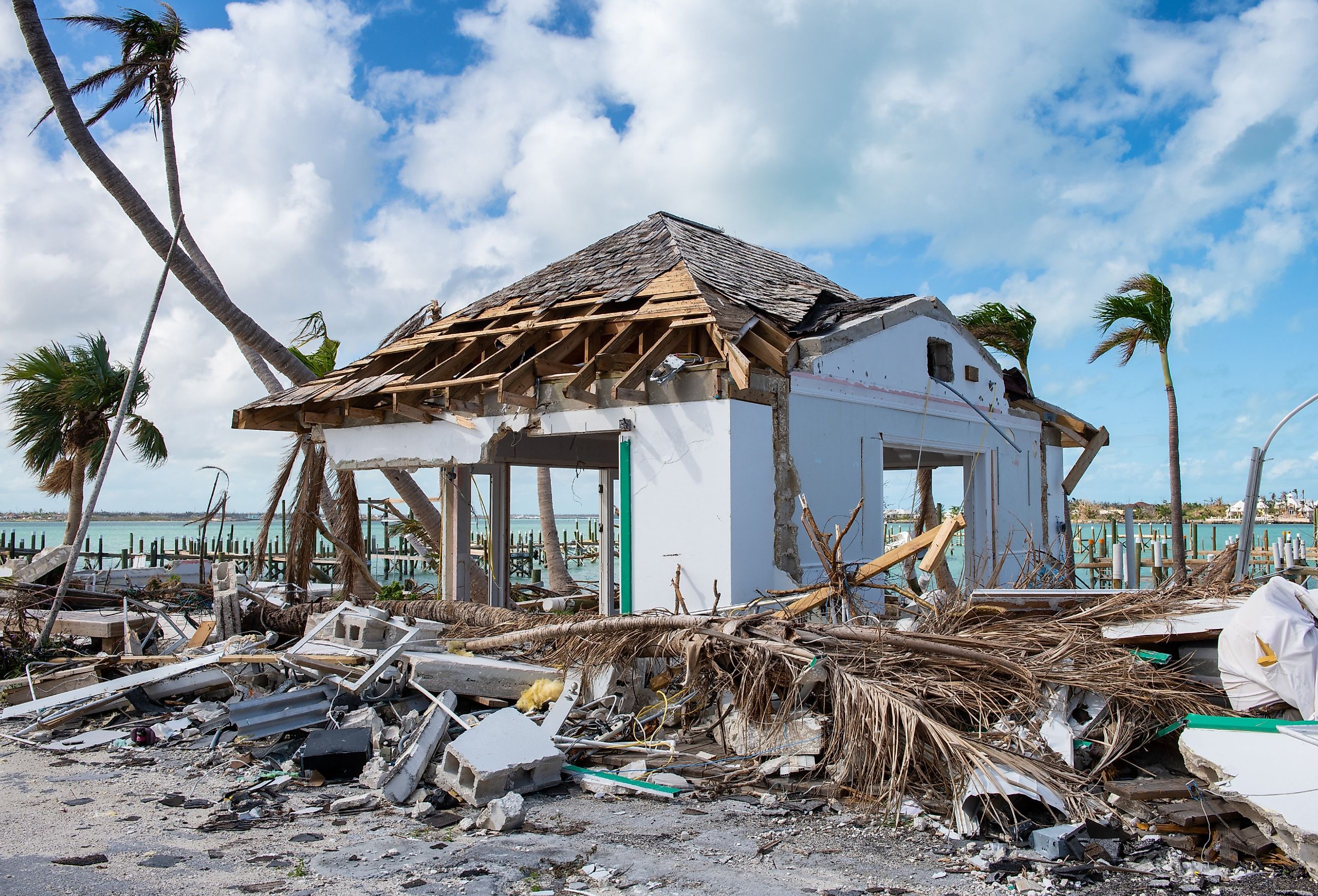
The levee system, designed to protect the city from flooding, failed spectacularly. This wasn't just about the hurricane itself; it was about infrastructure failure and inadequate disaster preparedness. The resulting floods submerged 80% of New Orleans, causing widespread devastation and displacement.
The economic impact of Katrina was staggering, topping $160 billion in damage. That's a lot of beignets you could buy with that money! The storm exposed deep-seated social inequalities and highlighted the vulnerabilities of coastal communities.

So, Which One "Wins"? It's Complicated!
Ultimately, declaring one single "most destructive" hurricane is a bit like comparing apples and oranges. The Bhola Cyclone caused unimaginable loss of life due to a combination of natural forces and societal vulnerabilities. Katrina, on the other hand, showcased the devastating impact of infrastructure failure and the immense economic costs associated with major hurricanes in developed nations.
The key takeaway here is that hurricanes are powerful and destructive forces that can have far-reaching consequences. Understanding their behavior, improving forecasting capabilities, and investing in resilient infrastructure are all crucial for mitigating their impact.

And hey, knowing a bit about these storms makes you a more informed and interesting person! You can impress your friends with your knowledge of storm surges and atmospheric pressure (or, you know, just casually drop it into conversation. Your call!).
But seriously, understanding these natural phenomena helps us appreciate the power of nature and the importance of being prepared. So, go forth and learn more! Explore the science behind hurricanes, research disaster preparedness strategies, and maybe even volunteer with a disaster relief organization. You might just find it surprisingly empowering.
Who knows? Maybe you'll be the next great hurricane researcher, developing new tools to protect communities from these devastating storms! Now wouldn't that be something?