What Is The Most Dangerous Gas
.png?ext=.png)
So, you want to know about the most dangerous gas, huh? You’re probably picturing something dramatic, right? Like a super-villain’s secret weapon, a cloud of neon green death from a sci-fi movie, or maybe even just a really, really bad office lunch aftermath. Well, buckle up, buttercup, because the truth is often stranger, and a whole lot sneakier, than fiction.
The Usual Suspects (and why they're not it)
Let’s clear the air first. You might be thinking of things like chlorine gas – the stuff from WWI that turned lovely green fields into nightmares. Or maybe sarin, the nerve agent that sounds like it belongs in a spy thriller. And sure, those are horrific. They’re like the loud, obnoxious villains who announce their arrival with sirens and a giant, flashing skull-and-crossbones sign. You see 'em coming, you know they're bad news, and you hopefully get out of dodge.
But here’s the thing about the most dangerous gas: it's not usually the one that makes headlines or smells like a rotting garbage truck had a baby with a chemical factory. Nope. The true champion of subtle destruction is far more insidious. It's the ninja of the gas world, the silent assassin that doesn't even have the decency to make a peep or stink up the place.
Must Read
And the Oscar for "Most Insidious Killer" goes to...
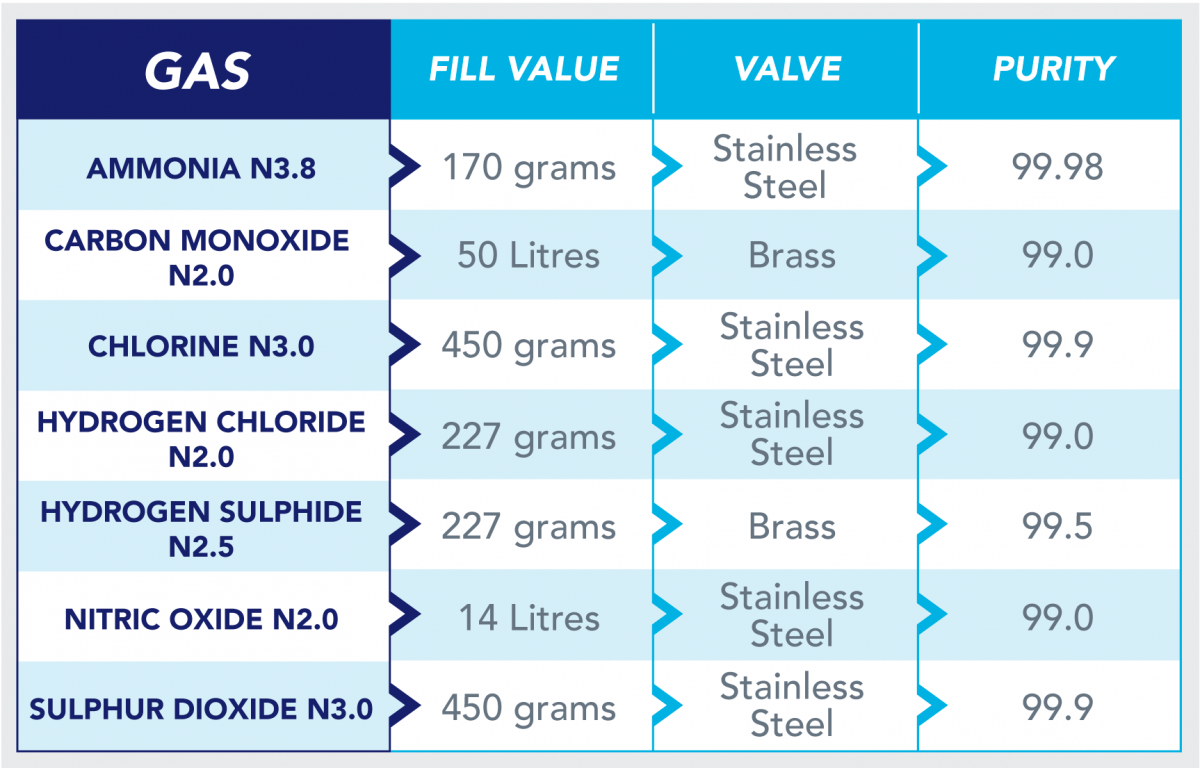
Drumroll, please! The undisputed, reigning champion of "most likely to silently mess you up" is... Carbon Monoxide. Or, as its friends call it, CO. Yes, that utterly boring, totally invisible gas. Surprised? You should be! Because this gas is basically a super-villain in disguise, wearing a perfectly bland suit and holding a bouquet of absolutely nothing.
Why is CO such a menace? Because it’s the master of deception. It’s invisible. It’s odorless. And get this – it’s utterly tasteless. It doesn't even have the courtesy to smell like rotten eggs, which, let's be honest, would be a huge help. You literally cannot detect it with your puny human senses. It’s like that awkward relative who shows up uninvited, eats all your snacks, and you don’t even realize they’re there until you feel strangely woozy.
Here's the terrifying science bit, explained in human terms: your red blood cells? They love oxygen, right? It's their jam, their purpose in life. They grab oxygen and whisk it off to all your important bits. But CO? It's like that clingy ex who shows up at your party and just refuses to leave. It binds to your hemoglobin way more effectively than oxygen does – we’re talking hundreds of times better. So, when CO is around, your blood cells are like, "Ooh, new friend! Let's ditch oxygen!"
The result? Your cells are literally suffocating on the inside, even though you’re technically breathing air. It’s like oxygen tries to get on the bus, but CO pushes it aside, takes its seat, puts its feet up, and sends oxygen off to walk home. Slowly, insidiously, your brain and organs are starved of what they need, and you might not even realize it until it’s too late. The symptoms? They’re practically a masterclass in deception: headache, dizziness, nausea, fatigue. Sounds like a bad hangover, doesn’t it? Or maybe just a Monday. That's its genius!
The Silent, Stinky Runner-Up (kind of)
Okay, while CO is out there winning the immediate "silent killer" awards, let’s give a terrifying shout-out to another sneaky character: Radon. This one isn’t actively poisoning you in minutes, but it’s playing the long game. Radon is like the quiet kid in the back of the class who’s secretly plotting world domination... or, you know, lung cancer.

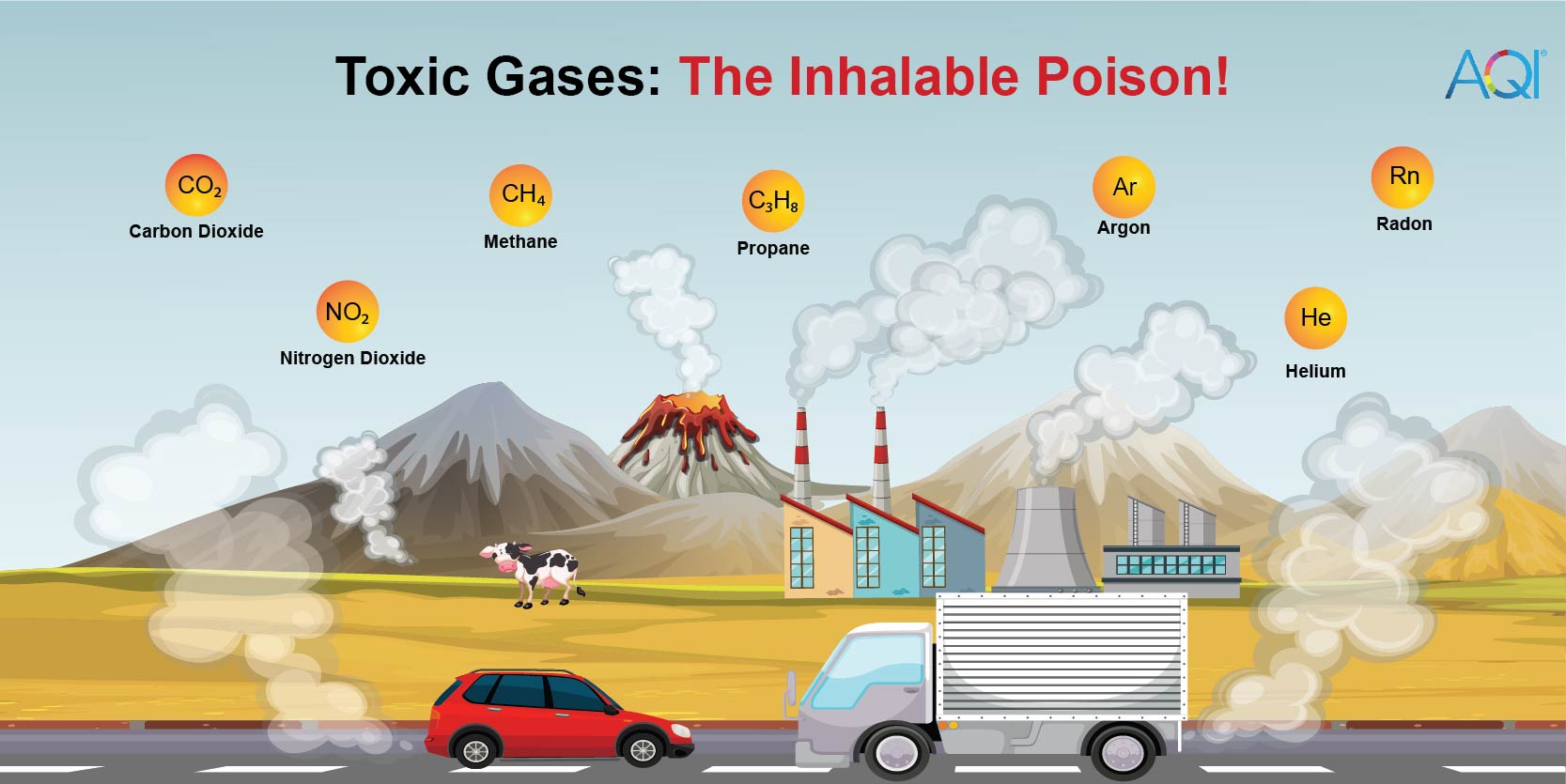
Radon is a naturally occurring radioactive gas that comes from the breakdown of uranium in soil and rocks. It seeps up from the ground and can get trapped in your house, especially in basements. No smell, no taste, no color, just... poof... radioactive particles chilling in your lungs, slowly increasing your risk of lung cancer over decades. It’s the leading cause of lung cancer for non-smokers! So, while CO is the quick, deadly punch, Radon is the slow, insidious chokehold. Charming, right?
So, How Do We Not Get Gassed?
After all that cheerful news, you might be wondering if you should just live in a bubble. Don't worry, it's not that dramatic! For CO, the solution is surprisingly simple: get a carbon monoxide detector. And not just one, maybe a few! Put them near bedrooms, because if it's going to get you, it'll often be while you're asleep. These little gadgets are like your personal, highly sensitive nose, but without all the allergies and sniffles. They’re your guardian angels with an alarm clock, ready to screech like a banshee if CO tries to crash the party.
Also, make sure your fuel-burning appliances (furnaces, water heaters, gas stoves) are properly vented and regularly maintained. Never run a car in an enclosed garage, and definitely, definitely don't use a charcoal grill or generator indoors. Common sense, yes, but sometimes common sense takes a holiday when you’re desperate for a warm meal during a power cut.
And for Radon? Test your house, especially the basement. If levels are high, mitigation systems can vent the gas safely outdoors. It’s a bit more involved than plugging in a CO detector, but totally worth it for the peace of mind.
So, next time you're thinking about dangerous gases, remember it's not always the ones that smell like a chemistry experiment gone wrong. Sometimes, the most dangerous ones are the ones you never even knew were there, silently inviting themselves into your home. Spooky, huh? Now, who wants another coffee? I think I need one after all that talk of invisible killers.