What Is The Most Abundant Metal In Earth's Crust

Ever wondered what our planet is really made of? We walk on it, build on it, and mine from it, but the sheer scale of Earth's composition can be mind-boggling. While shimmering gold and strong steel often steal the spotlight, the most abundant metal in Earth's crust is a real workhorse that quietly supports much of modern life. Identifying it isn't just a fun fact to impress your friends; it helps us understand the planet's formation, resource distribution, and even future technological advancements!
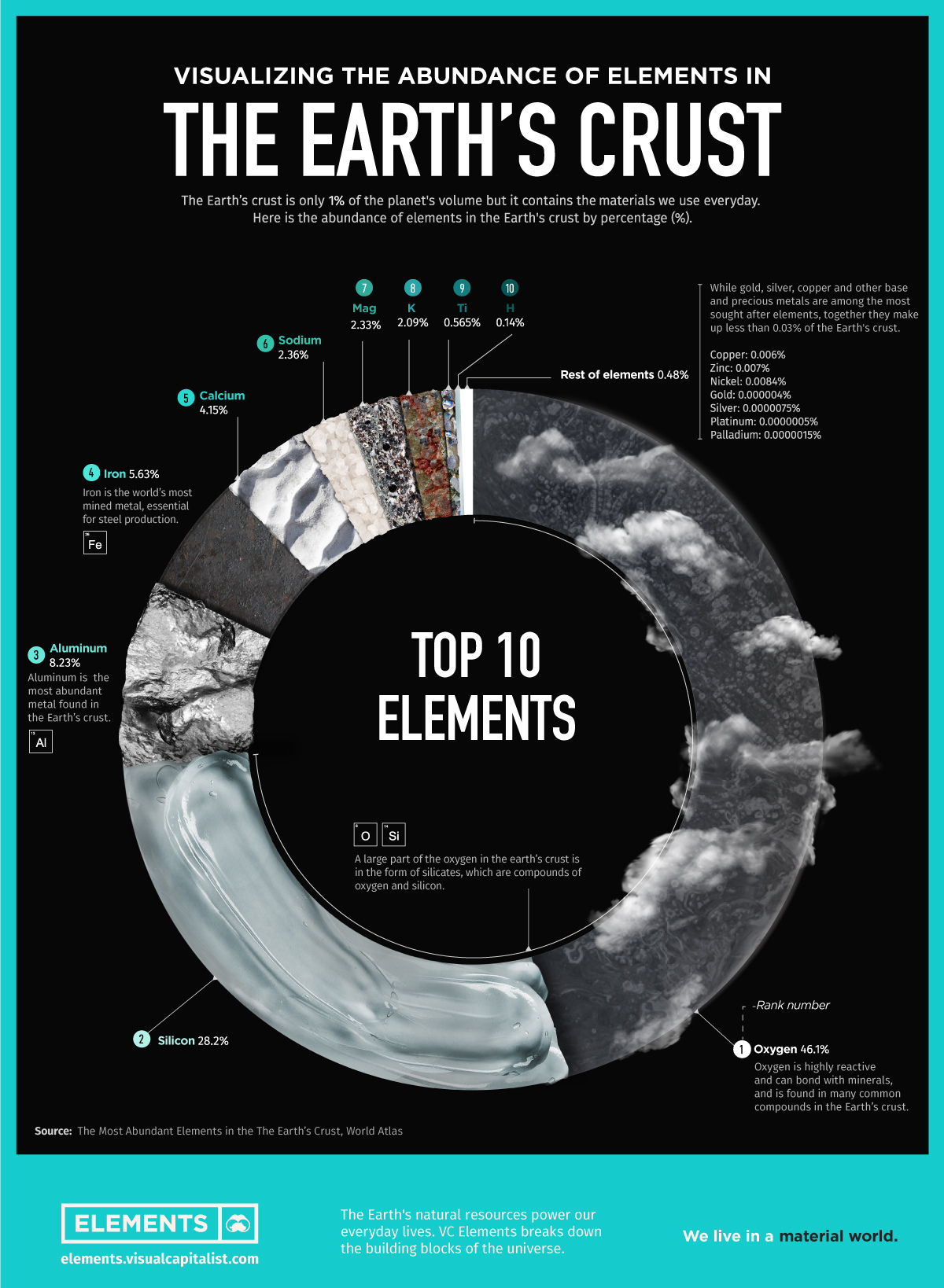
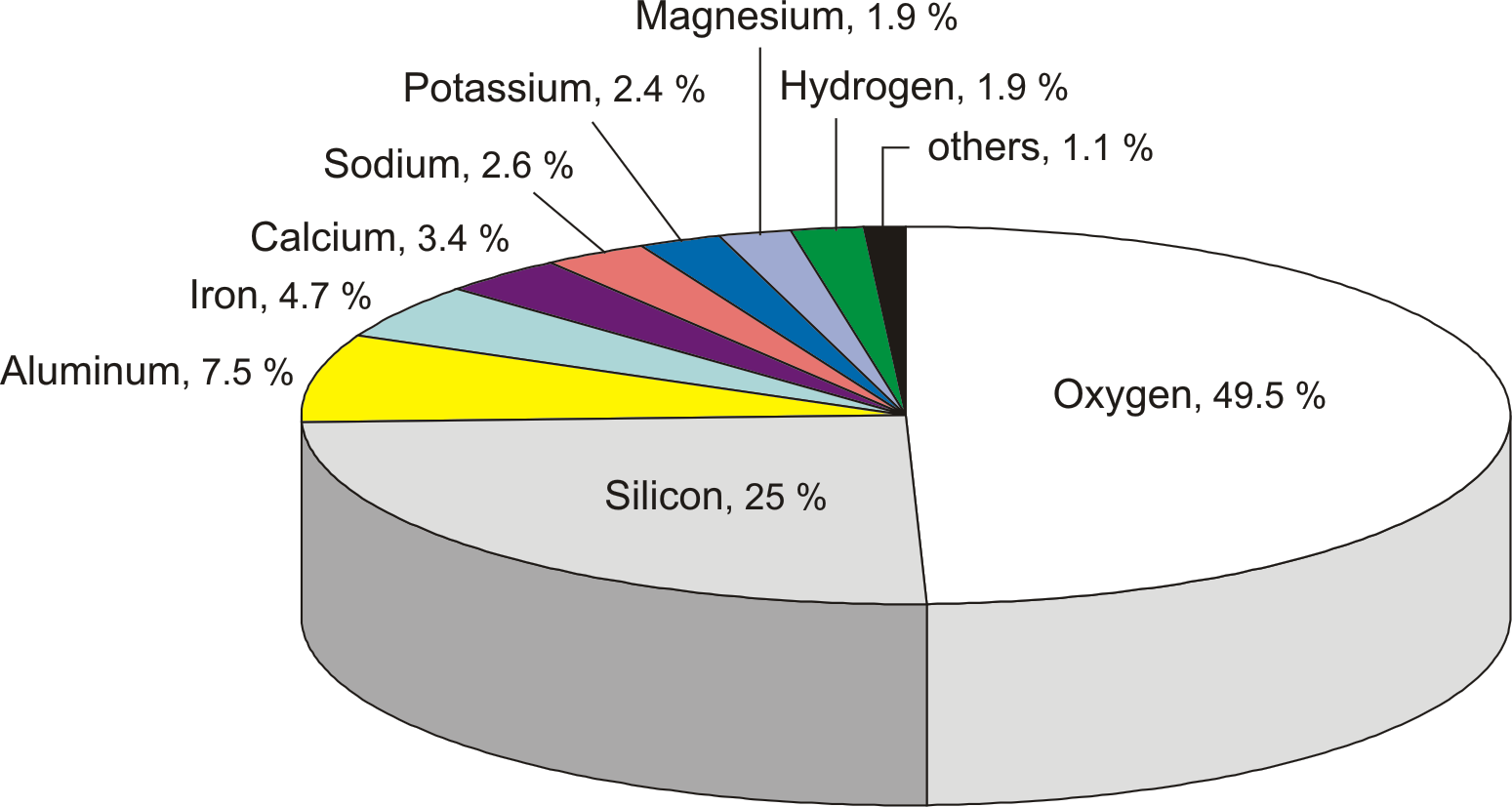
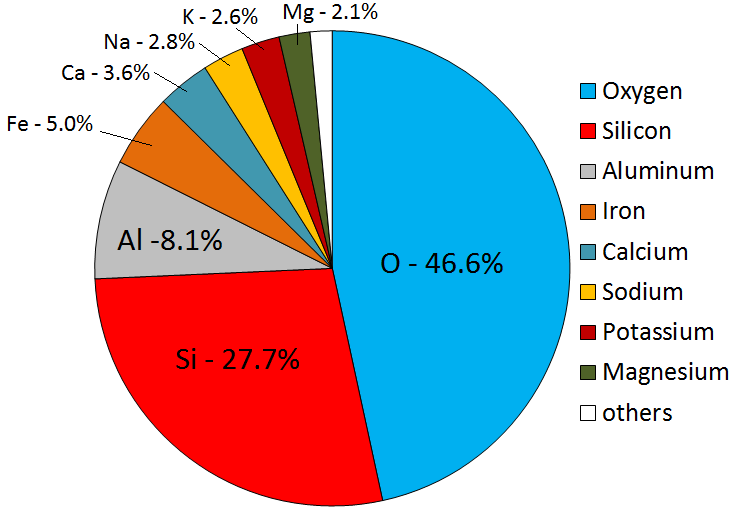
So, drumroll please... the most abundant metal in Earth's crust is aluminum! You might be surprised, but think about it: aluminum is everywhere. From the foil in your kitchen to the airplanes soaring overhead, this versatile metal plays a crucial role in countless applications. But why is it so abundant, and what makes it so useful?
The abundance of aluminum is linked to Earth's geological history. It's a key component of many common minerals, especially aluminosilicates found in rocks like feldspar, which makes up a significant portion of the Earth's crust. Think of granite countertops – they're packed with feldspar and, consequently, aluminum.
Must Read
But being abundant isn't the only reason aluminum is so important. Its unique properties make it incredibly valuable. Here's why we love it:
- Lightweight Strength: Aluminum is surprisingly strong for its weight. This makes it ideal for aircraft, cars, and anything where reducing weight is critical.
- Corrosion Resistance: Unlike iron, aluminum doesn't rust. It forms a thin, protective oxide layer that prevents further corrosion, making it perfect for outdoor applications.
- Recyclable: Aluminum is infinitely recyclable without losing its properties. This makes it a sustainable choice for many industries, reducing the need for new mining and energy-intensive production.
- Conductivity: While not as conductive as copper, aluminum is a good conductor of electricity and is often used in power transmission lines.
- Malleable and Ductile: Aluminum can be easily shaped into various forms, from thin foils to complex extrusions, making it incredibly versatile for manufacturing.
Understanding the abundance and properties of metals like aluminum is more than just trivia. It has real-world applications. Geologists use this knowledge to locate ore deposits. Engineers leverage its properties to design efficient and sustainable products. And recycling industries rely on its recyclability to conserve resources and reduce environmental impact.
So next time you reach for an aluminum can or see an airplane overhead, remember that you're interacting with the most abundant metal in Earth's crust. It's a reminder that even the most common elements can have extraordinary properties and play a vital role in our modern world. Who knew geology could be so fascinating?