What Is The Minimum Wind Speed For A Hurricane

Hurricanes! The very word conjures images of swirling clouds, crashing waves, and the raw, untamed power of nature. But beyond the drama, a simple question often lingers: just how strong does the wind need to be for a storm to officially earn the title of "Hurricane?" It's a question that sparks curiosity in everyone, from seasoned meteorologists to casual weather watchers, and understanding the answer is surprisingly empowering, offering a deeper appreciation for the forces that shape our world.
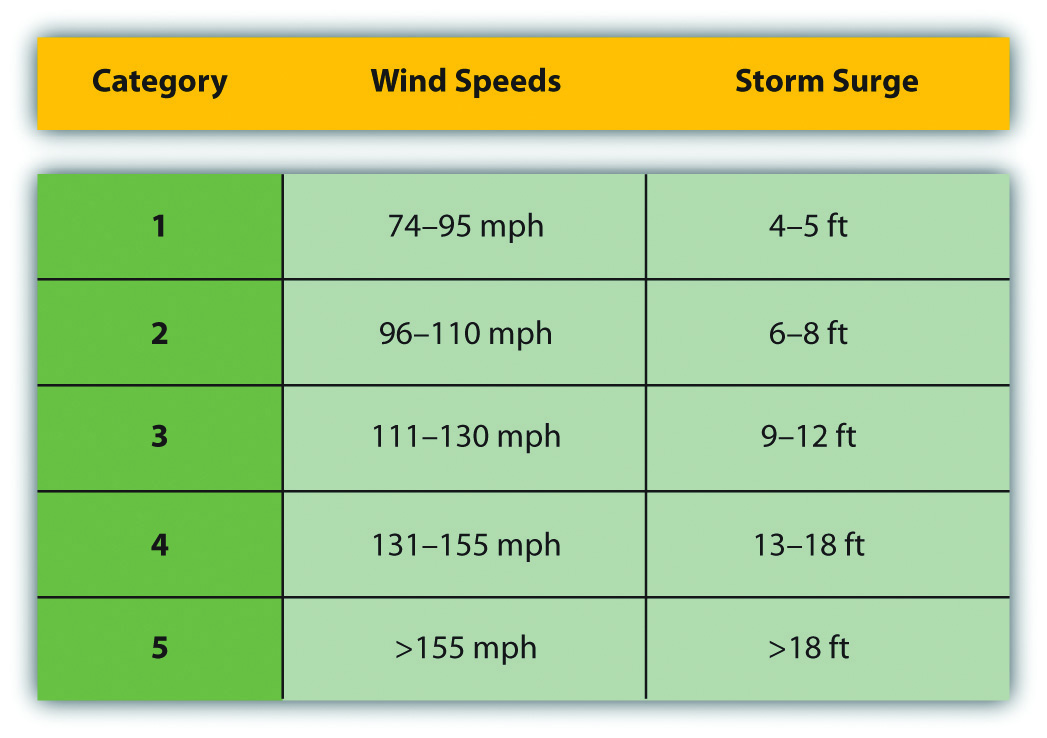
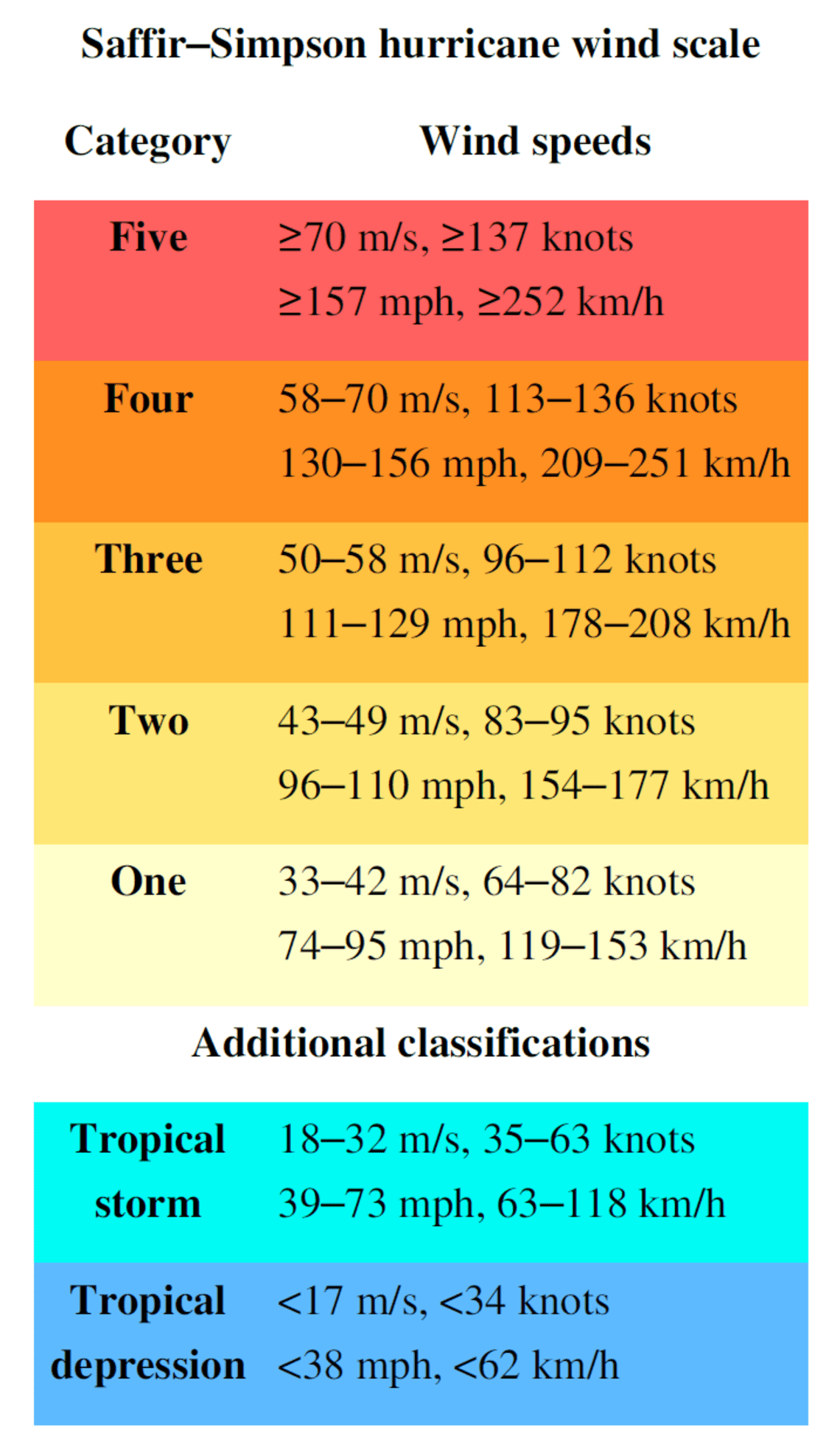
For artists, hobbyists, and even just curious minds, knowing the minimum wind speed of a hurricane (74 miles per hour, for the record!) is more than just a trivia fact. It's a gateway to understanding the sheer scale and energy involved. Think about it: that's faster than a cheetah can run! Visualizing that power can fuel creativity.
Consider the artist: knowing this benchmark can inspire powerful landscape paintings depicting the fury of a hurricane, accurate to the very physics that drive it. A sculptor might create a dynamic piece conveying the relentless force of 74 mph winds, perhaps using twisted metal or swirling clay. Even a writer crafting a thrilling novel can use this knowledge to build tension and realism, grounding their narrative in verifiable scientific detail. Understanding the specific wind speed breathes life into their art. For hobbyists, like model builders, creating a miniature hurricane diorama suddenly becomes much more compelling when you're thinking about the quantifiable force you're trying to represent.
Must Read
There are countless artistic interpretations you can draw inspiration from. You might explore abstract expressionism, using colors and textures to represent the chaotic energy of hurricane-force winds. Alternatively, you could focus on photorealism, striving to capture the subtle details of wind-whipped water and rain. Subject matter could range from the vast expanse of the open ocean to the devastating impact on coastal communities. Consider different styles, such as impressionism, focusing on the fleeting moments of light and shadow during the storm, or even pop art, highlighting the iconic imagery associated with hurricanes.

While you can't replicate a real hurricane at home (and you definitely shouldn't try!), you can experiment with visual representations of wind force. Try creating a wind-powered sculpture using lightweight materials like paper or fabric. Observe how these materials react to different speeds from a fan – a gentle breeze versus a stronger gust. This hands-on activity helps you internalize the concept of wind speed and its effects. You could even experiment with photography, capturing the movement of trees and water on a windy day. Try different shutter speeds to freeze the motion or create a blur, conveying the feeling of speed and force.
Ultimately, the joy of understanding something like the minimum wind speed for a hurricane lies in the aha! moment – the realization that a seemingly simple number unlocks a deeper understanding of the world around us. It empowers us to appreciate the immense power of nature, fuels our creativity, and connects us to the shared human experience of living on a planet shaped by weather. So, next time you hear about a hurricane, remember that 74 mph threshold – and let your imagination take flight!