
What Is The Meaning Of Taper

Ever found yourself pushing hard, harder, hardest towards a big goal, only to feel completely drained just when it matters most? Whether it's training for a marathon, wrapping up a massive work project, or even preparing for a big presentation, we often think more effort equals better results. But what if I told you there’s a smart, almost counter-intuitive strategy that helps you perform at your absolute peak, feeling fresh and ready? Enter the wonderful world of tapering!
The concept of "tapering" is truly fascinating because it champions the idea that sometimes, doing less can actually help you achieve more. It's a hugely popular and effective strategy, especially in the world of endurance sports, but its principles apply to so much more in life. Think of it like this: you wouldn't keep hammering a nail right up until the very second you need to hang a picture, would you? You'd take a moment to steady your hand, breathe, and then make that final, precise hit. Tapering is that strategic pause, that smart wind-down before the big moment.
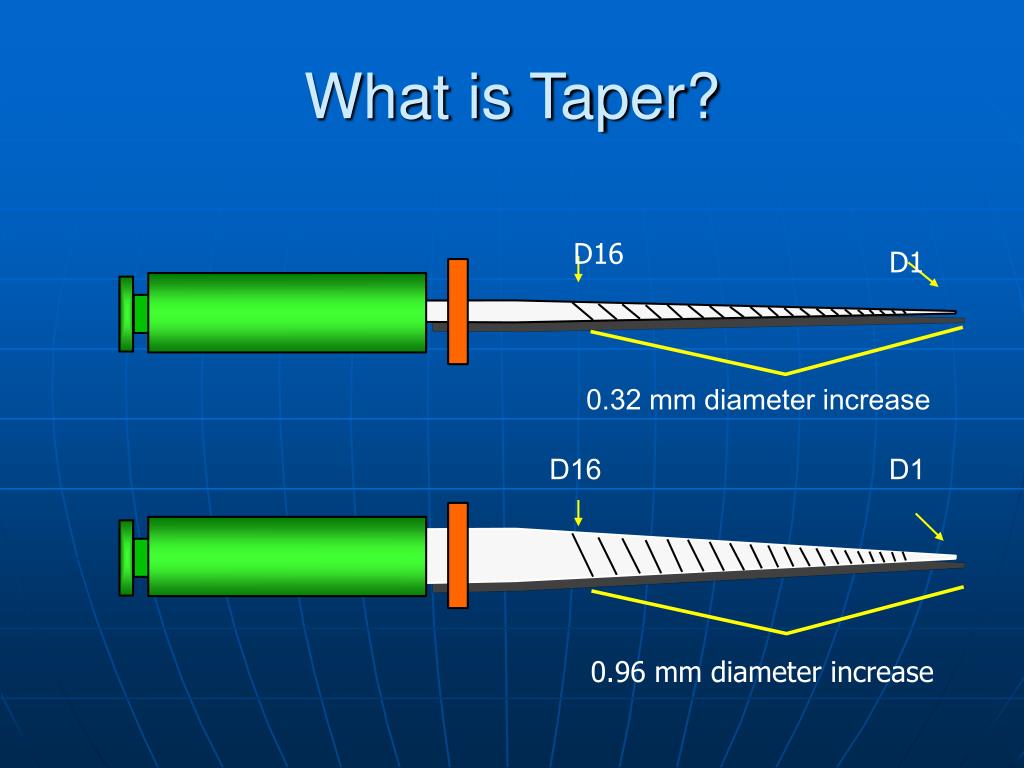
So, what exactly is it? At its heart, tapering means gradually reducing the volume or intensity of your efforts leading up to a significant event. It's not about stopping completely or slacking off; it's about being strategic. Imagine a pencil getting thinner towards its tip – that’s the visual of a taper. In the context of performance, it means steadily decreasing your training load, your work hours on a specific task, or your focused energy on a demanding project. The purpose? To allow your body and mind to fully recover, repair, and recharge.
Must Read
The benefits of a well-executed taper are nothing short of amazing. First and foremost, it allows your body to heal and adapt. All those intense training sessions or long workdays cause microscopic damage and fatigue. Tapering gives your muscles a chance to repair, rebuild, and store vital energy (like glycogen in athletes). This means you show up on "game day" not just rested, but genuinely stronger and more efficient.
Beyond the physical, tapering is a huge win for your mental game. It reduces accumulated stress and prevents burnout. Instead of feeling exhausted and dreading the event, a good taper helps build anticipation and excitement. You feel sharper, more focused, and mentally ready to tackle the challenge head-on. It’s like clearing the clutter from your mind, allowing your brilliant ideas or honed skills to shine through without the fog of fatigue.
Whether you’re an athlete aiming for a personal best, a student preparing for final exams, or a professional getting ready for a major presentation, understanding and implementing the art of tapering can be your secret weapon. It teaches us that pushing constantly isn't always the answer, and that strategic rest and reduction can lead to peak performance when it truly counts. So next time you're facing a big event, remember the power of the taper – it might just be the smartest move you make!

![Difference Between Fade And Taper [Explained in 2025] - Taper Fade](https://taperfadee.com/wp-content/uploads/2024/10/Difference-Between-Fade-And-Taper-2-1536x979.jpg)