What Is The Meaning Of Strain
Ever felt a little... stretched? Like your mind is a rubber band pulled too tight, or your muscles are doing an unwilling impersonation of a knot? Congratulations, you've intimately experienced the meaning of strain! Far from being a scary medical term, understanding strain is actually a super useful life skill, a bit like learning to read the quiet whispers your body and mind send you. It's not about being weak; it's about being wise and tuning into your own internal signals. And honestly, isn't it kind of fun to become an expert in your own well-being?
So, why bother delving into this seemingly simple concept? For beginners to self-awareness, recognizing strain is your first step towards preventing burnout. It teaches you to hit the brakes before you crash. For families, understanding strain can foster empathy. When a child is acting out, or a partner seems withdrawn, recognizing potential mental or emotional strain allows for support and understanding rather than frustration. It helps you ask, "What's going on beneath the surface?" rather than just reacting. And for hobbyists, whether you're a keen gardener, a dedicated gamer, or a passionate knitter, knowing the meaning of strain helps you enjoy your passions sustainably. You learn to take breaks, adjust your posture, or simply step away when a project starts to feel like a chore instead of a joy. It's all about making your life, and your passions, more comfortable and enjoyable in the long run.
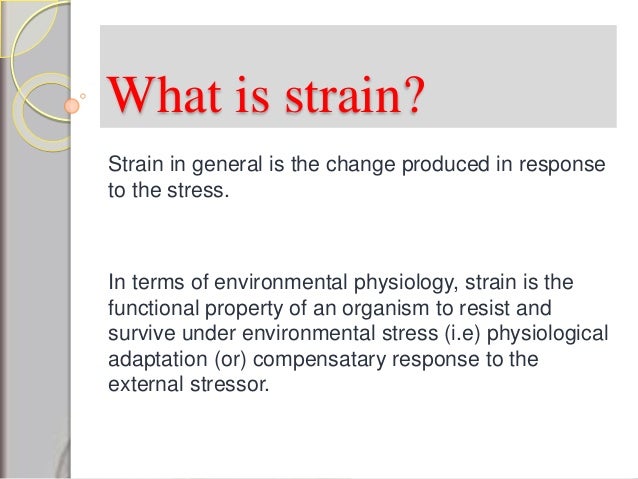
Strain comes in many flavors, both physical and mental. Think about the classic physical strain: that slight ache in your neck after hours hunched over a screen, or the unexpected muscle soreness after trying a new exercise. It's your body telling you, "Hey, I'm working hard here, maybe a little too hard!" Then there's mental or emotional strain. This might manifest as feeling overwhelmed by your to-do list, having trouble concentrating, or just generally feeling irritable and on edge because you haven't had enough sleep. It's your brain signaling that it needs a break, some quiet time, or perhaps just a good, long stretch. Even your relationships can experience strain when communication gets difficult or expectations clash. The common thread is always a sense of being pulled, stretched, or stressed beyond a comfortable limit.
Must Read
Ready to become a strain whisperer? Getting started is wonderfully simple. First, make a conscious effort to listen to your body. Are your shoulders tight? Is your lower back aching? These are often the first quiet warnings. Second, check in with your mind. Are you feeling unusually anxious, irritable, or foggy? Don't just push through it. Third, build in micro-breaks throughout your day. Stand up, stretch, look out the window for a minute or two. Fourth, embrace simple self-care: adequate sleep, staying hydrated, and perhaps a few gentle stretches or a walk. And finally, remember that recognizing strain isn't about giving up; it's about giving yourself the care you need to keep going strong. Acknowledging a small strain early prevents it from becoming a big, uncomfortable problem later.
So, the meaning of strain isn't just about pain or difficulty; it's about a crucial conversation with yourself. By learning to understand and respond to these signals, you're not just avoiding discomfort; you're actively choosing a life that’s more balanced, more comfortable, and ultimately, more enjoyable. It’s an empowering journey of self-care that truly makes a difference every single day.