
What Is The Meaning Of Non Renewable Resources
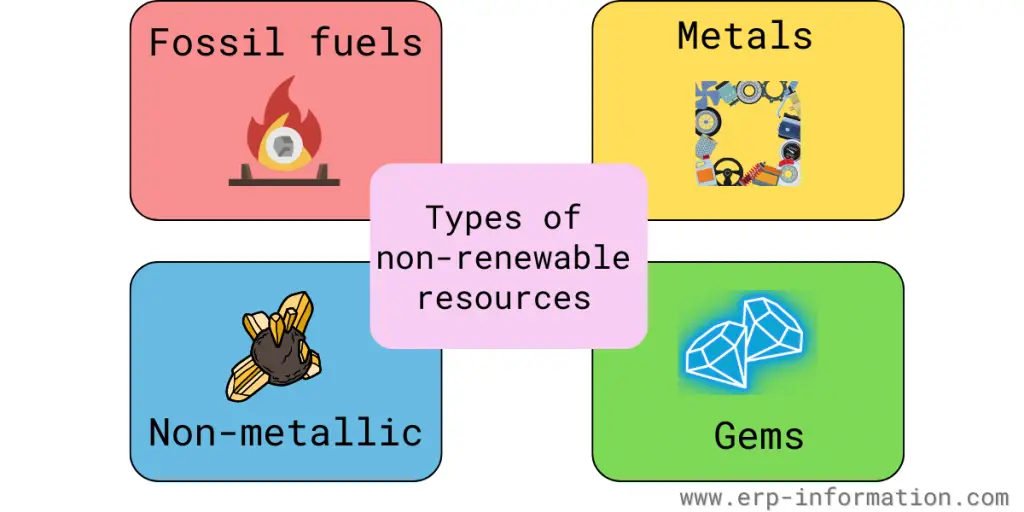
Ever heard someone talking about "non-renewable resources" and felt like they were speaking a foreign language? Don't worry, you're not alone! Let's break down what it really means, without getting bogged down in boring science jargon.
Imagine Your Favorite Cookie Jar...
Think of the Earth as a giant cookie jar, filled with delicious, energy-rich goodies. These goodies are things like coal, oil, and natural gas.
Now, imagine these cookies are really hard to bake. Like, takes-millions-of-years hard! That's the key to understanding non-renewable resources.
Must Read
What Makes a Resource Non-Renewable?
Simply put, a non-renewable resource is something the Earth can't replenish in a reasonable amount of time – at least, not in our lifetime, or even our great-great-grandkids' lifetimes! We're talking geological timescales here.
It's like baking cookies that require dinosaur fossils as an ingredient. Sounds tricky, right?
These resources are finite, meaning there's only a limited amount. Once we use them up, that's it (at least with our current technology). Cue the dramatic music!
The Big Three: Coal, Oil, and Natural Gas
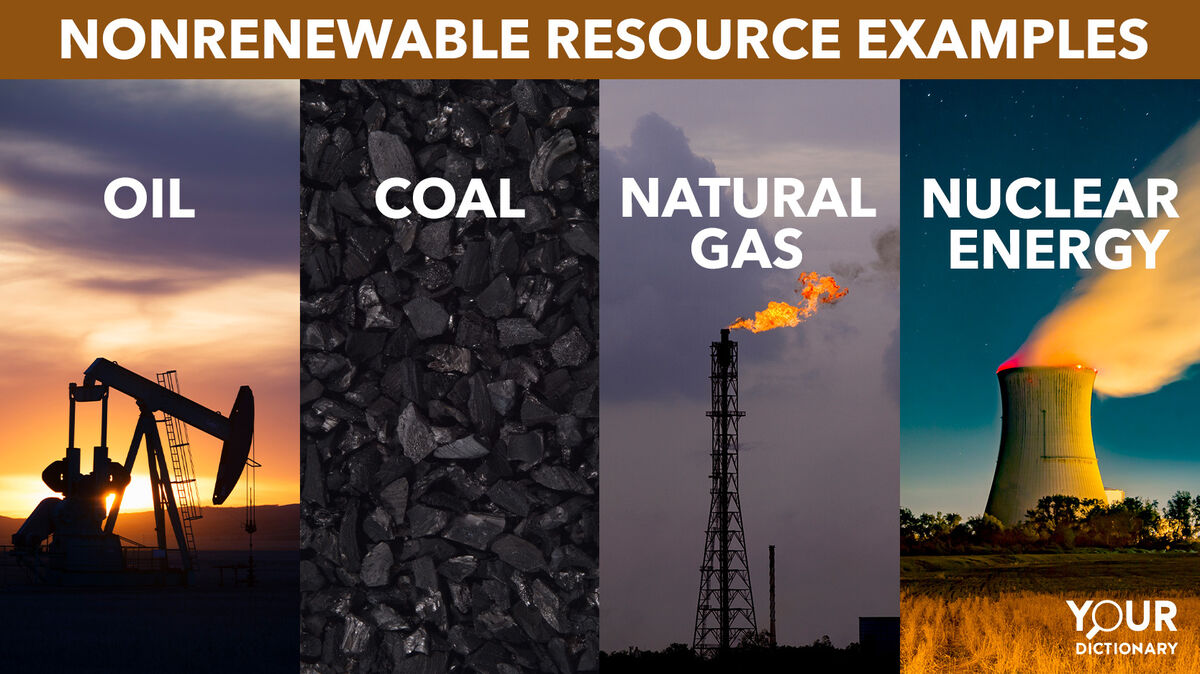
These are the rockstars (or maybe, fossil stars?) of the non-renewable world. They're all formed from the remains of ancient plants and animals that lived millions of years ago. Think of them as the ultimate compost, cooked under intense pressure and heat for eons.
Coal is like the grumpy grandpa of energy sources, but it's been a workhorse for centuries, powering everything from steam engines to power plants.
Oil is the slick, versatile one. It's used to make gasoline for our cars, plastics for just about everything, and even some types of clothing! Talk about being a multi-tasker.
Natural Gas is the clean-burning cousin, often used for heating homes and generating electricity. It's like the responsible adult in the group, trying to do its best for the environment (relatively speaking, of course).
:max_bytes(150000):strip_icc()/nonrenewableresource--45c79b3da26d4bd0bf7e7ee1ad82c4a5.jpg)
Why Should We Care? (Besides the Cookie Jar Running Empty!)
Well, using non-renewable resources has consequences. It's not all sunshine and roses, unfortunately.
Burning these fuels releases greenhouse gases into the atmosphere, which contributes to climate change. Think of it as accidentally setting off a smoke alarm in the Earth's kitchen – not ideal!
Also, extracting these resources can have negative impacts on the environment, like habitat destruction and pollution. Nobody wants a cookie jar that's covered in oil spills, right?
It's Not All Doom and Gloom!
Okay, so non-renewable resources aren't perfect. But the good news is, we're not completely helpless!
There's a growing movement towards renewable energy sources like solar, wind, and hydro power. These are like baking cookies using sunlight and rainbows – much more sustainable!
We can also conserve energy by using less of it in the first place. Think turning off lights when you leave a room, driving less, and choosing energy-efficient appliances. Every little bit helps!
Non-Renewable Resources: A Quick Recap
So, let's recap the key takeaways: Non-renewable resources are finite resources that take millions of years to replenish.
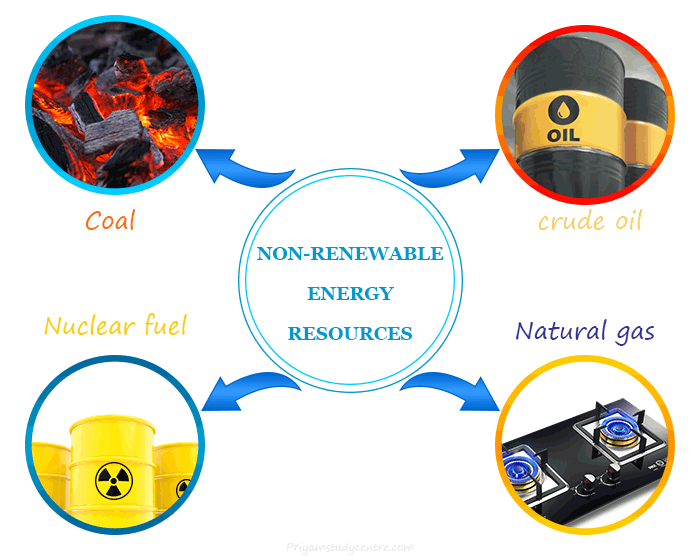
The big three are coal, oil, and natural gas.
Using them has environmental consequences, but we can mitigate these by transitioning to renewable energy and conserving energy.
Digging Deeper (If You're Feeling Ambitious!)
Want to learn even more? Here are some extra tidbits to impress your friends at your next dinner party:
Fossil Fuels: This is another term for coal, oil, and natural gas, since they're formed from the fossilized remains of ancient organisms.
Peak Oil: This refers to the point when global oil production reaches its maximum and starts to decline. Some experts believe we've already reached peak oil, while others think it's still to come.
Carbon Footprint: This is the total amount of greenhouse gases that are generated by your actions, such as driving your car or using electricity. Try to minimize your carbon footprint whenever possible!
The Future of Energy: It's Up to Us!
The way we use energy is changing rapidly. With growing concerns about climate change and the depletion of natural resources, the future of energy is uncertain.
But one thing is clear: We all have a role to play in shaping that future. By making informed choices about our energy consumption, supporting renewable energy initiatives, and advocating for sustainable policies, we can help ensure a cleaner, healthier planet for generations to come.
So, next time you hear someone talking about non-renewable resources, you'll be able to confidently join the conversation. And who knows, maybe you'll even inspire someone else to start thinking about the future of energy too!
More Than Just Energy: Other Non-Renewable Resources
While coal, oil, and natural gas hog the spotlight, let's not forget about other non-renewable resources. These are just as important (and sometimes overlooked!).
Minerals are naturally occurring, inorganic solids with a specific chemical composition and crystal structure. Think gold, silver, copper, iron ore, and diamonds! They're used in everything from electronics to jewelry to construction.
Like fossil fuels, minerals are finite resources that take a very long time to form. Mining them can also have significant environmental impacts, such as habitat destruction, water pollution, and soil erosion. It's a big deal!
Phosphorus is another essential, but often overlooked, non-renewable resource. It's a key ingredient in fertilizers, which are used to grow our food.
Unfortunately, phosphorus is mined from phosphate rock, which is a finite resource. As global demand for food increases, so does the demand for phosphorus. Scientists are worried about peak phosphorus, the point at which global phosphorus production reaches its maximum and starts to decline.
This could have serious consequences for global food security, as farmers may struggle to produce enough food to feed a growing population. Recycling phosphorus from wastewater and developing more efficient fertilizers are some potential solutions.
The 3 R's to the Rescue!
When it comes to dealing with non-renewable resources, the famous "3 R's" – Reduce, Reuse, and Recycle – are more important than ever.

Reduce: Use less of everything! Drive less, consume less, and waste less. Every little bit helps.
Reuse: Find new uses for old things. Turn old t-shirts into cleaning rags, reuse glass jars for storage, and repair broken items instead of throwing them away. Get creative!
Recycle: Properly dispose of recyclable materials so they can be turned into new products. This reduces the need to extract virgin resources from the Earth. It's like giving old materials a second life!
Embrace the Future!
The challenges associated with non-renewable resources are significant, but they're not insurmountable.
By embracing innovation, adopting sustainable practices, and making conscious choices about our consumption habits, we can pave the way for a more sustainable future.
So, let's raise a (reusable) glass to a future powered by clean energy, efficient resource management, and a deep respect for our planet! Together, we can make a difference. Go team Earth!
Remember, every small action counts towards protecting our planet and its precious resources for generations to come. You have the power to be a part of the solution!
"We do not inherit the earth from our ancestors; we borrow it from our children." - Native American Proverb