
What Is The Meaning Of Lead
Ever paused in the middle of a conversation, or perhaps while reading a sentence, and had that tiny little brain-flicker of confusion? You know the one! It’s when a word pops up that looks oh-so-familiar, but suddenly you’re not entirely sure if you’re supposed to say it like “leed” or “led”. My friends, you’ve just had a delightful encounter with one of the English language’s most charmingly mischievous words: LEAD.
And guess what? Far from being a source of frustration, embracing the wild and wonderful meanings of "lead" can actually make your life a whole lot more fun. Seriously! It’s like being a linguistic detective, and who doesn’t love a good mystery?
The "Leed" You Know and Love: To Guide, To Go First!
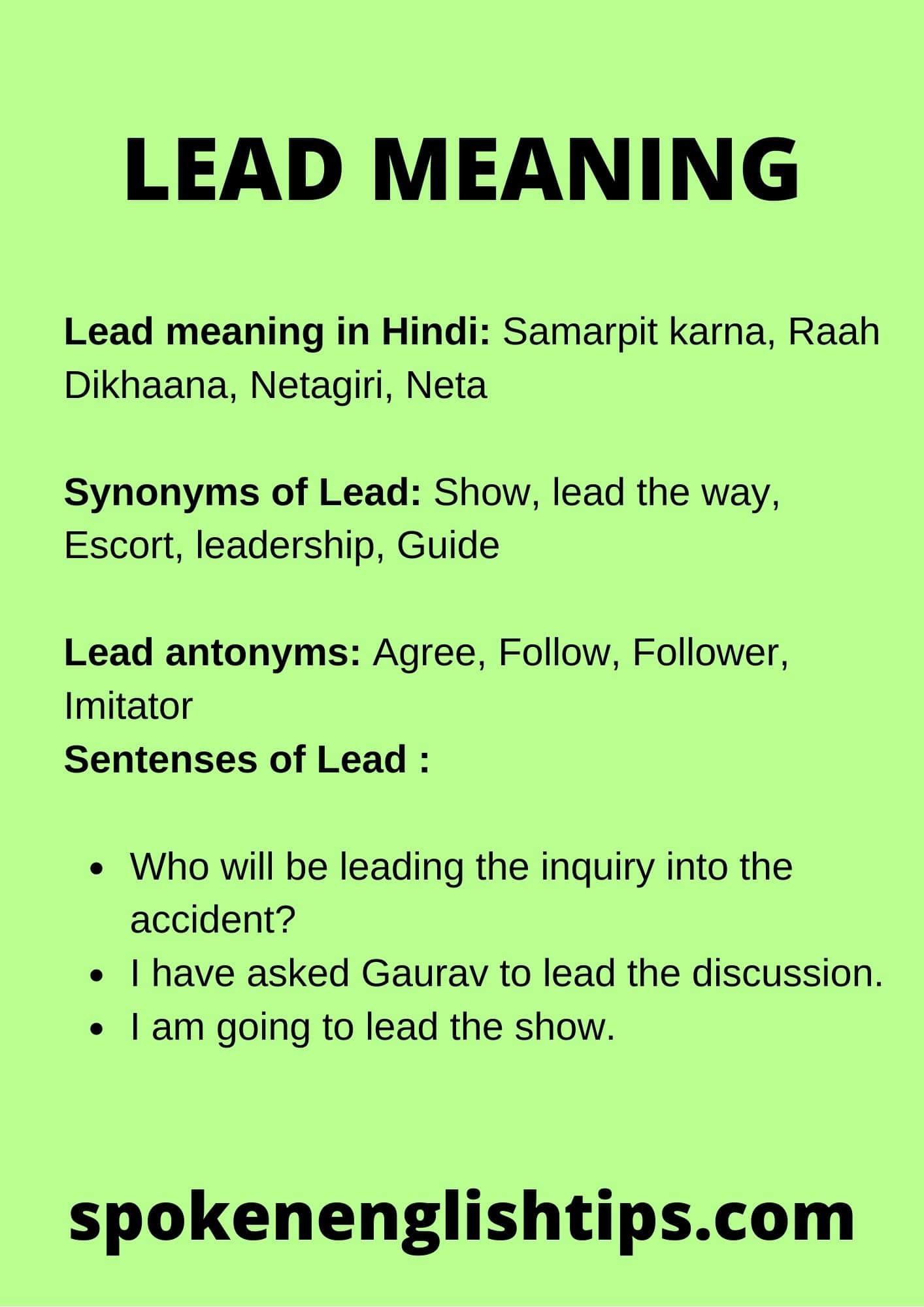
Let's start with the pronunciation that sounds like "leed". This is often the most inspiring meaning of the word. When you lead, you’re taking charge! You’re showing the way, setting an example, or guiding others. Think about it:
Must Read
- You might lead a team to victory.
- A thrilling path could lead you to a hidden waterfall.
- You might even lead a parade with unbridled joy (feather boas optional, but highly encouraged!).
This meaning is all about forward motion, initiative, and being at the forefront. It’s about taking the reins, whether metaphorically in a discussion or literally on a majestic horse (if you’re feeling extra dramatic!). Understanding this sense of lead isn’t just about vocabulary; it’s about recognizing the power of leadership in everyday life. How cool is that? You can choose to lead in small ways every day!
Hold On, It’s a Metal Too? The "Led" That’s Heavy!
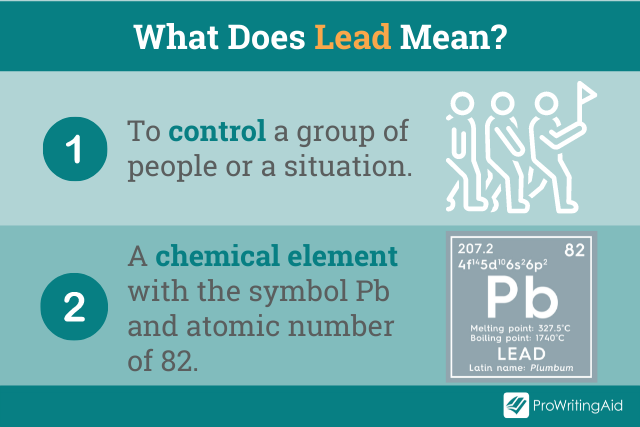
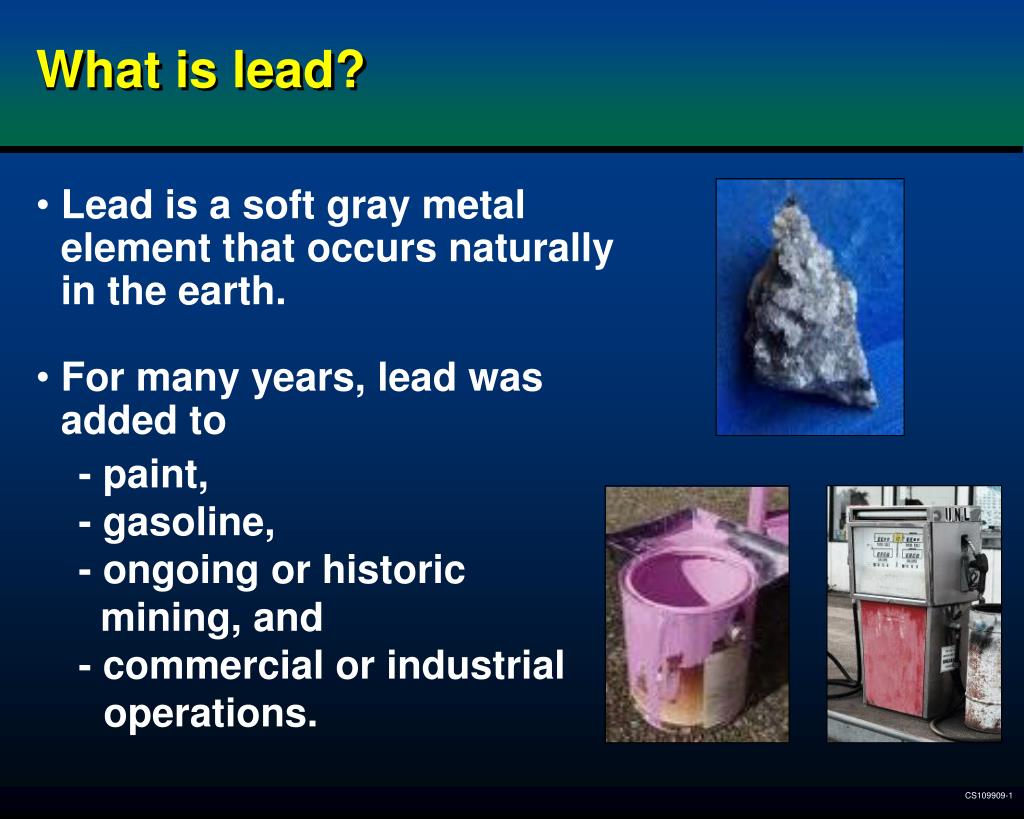
Now, here’s where the plot thickens and our linguistic adventure gets really exciting! The very same four letters, L-E-A-D, can also refer to a specific element on the periodic table: a heavy, soft, gray metal. And guess what? When we're talking about this particular substance, we pronounce it "led", just like the past tense of "to guide." Confusing? Absolutely! Hilarious? You bet!
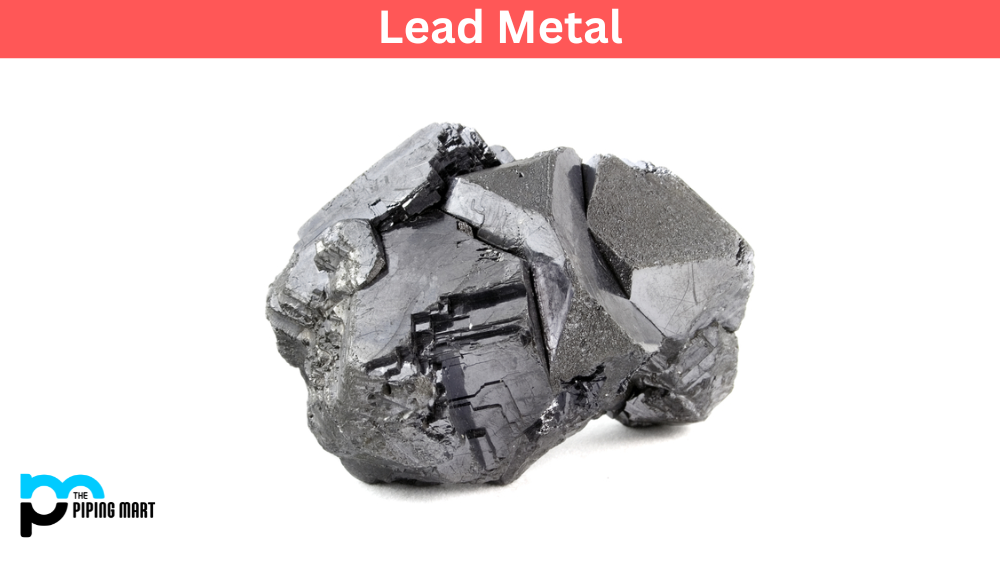
This lead (pronounced "led") has a fascinating history. It was used in everything from ancient plumbing to stained glass. While its uses have significantly changed due to health concerns (we're much smarter now, thankfully!), its place in our language remains. Think of a lead fishing sinker, or the phrase "heavy as lead." It’s a completely different concept, a different sound, but the exact same spelling!
Isn't it amazing how a single word can contain such disparate ideas? It makes you feel like a secret agent, doesn't it? Deciphering clues based on context and pronunciation!
The Past Tense "Led": A Grammar Detective's Delight!
Speaking of "led", let's shine a spotlight on its role as the past tense of our guiding verb, to lead ("leed"). This is where many a spelling bee contestant has stumbled, and where you, dear reader, can now confidently stride!
You lead today, but yesterday, you led. See? No 'a' in the past tense! The dog led the way on our walk. The investigation led them to the culprit. It's concise, it's correct, and knowing the difference makes you a bonafide grammar guru. You're not just speaking; you're mastering the language!
More "Leeds" and "Leds": The Everyday Hidden Gems!
And just when you thought you had it figured out, there are even more layers!

- A dog's leash? We often call it a lead ("leed").
- The main actor in a play? They have the leading ("leeding") role.
- And what about the stuff inside your pencil that helps you write or draw? Most people call it pencil lead (pronounced "led"), even though it's actually graphite! It’s another little linguistic quirk, a charming misnomer that’s stuck around.
Each of these tiny variations adds depth to our understanding and another spark of delight to our everyday interactions. Suddenly, a simple word becomes a kaleidoscope of meanings, pronunciations, and historical tidbits!
Why This Is More Fun Than a Barrel of Monkeys
So, why should you care about the multiple personalities of "lead"? Because it’s a brilliant reminder of how rich and playful our language is! It teaches us to pay attention to context, to listen carefully, and to savor the nuances. It turns everyday communication into a mini-puzzle, a delightful challenge that sharpens your mind without even trying.
Understanding these linguistic quirks isn’t just about being "correct"; it’s about appreciating the incredible tapestry of words that we use every single day. It makes you a more observant speaker, a more discerning listener, and frankly, a more interesting conversationalist! You can drop these nuggets of wisdom at your next dinner party and watch jaws drop (in a good way!).
Go Forth and Lead Your Linguistic Adventure!
Next time you encounter "lead," don't let it stump you. Let it ignite your curiosity! Take a moment to consider its context, its intended pronunciation, and the fascinating journey it's taken through our language.
Embrace the delightful confusion, marvel at the cleverness, and let it inspire you to explore the world of words with renewed vigor. Because every word holds a universe of meaning, and every discovery is a step toward a more joyful, insightful, and utterly fascinating life. So go on, be a word adventurer! The English language is full of treasures waiting for you to uncover them. What will you lead yourself to discover next?