
What Is The Major Force That Changes Peat To Coal
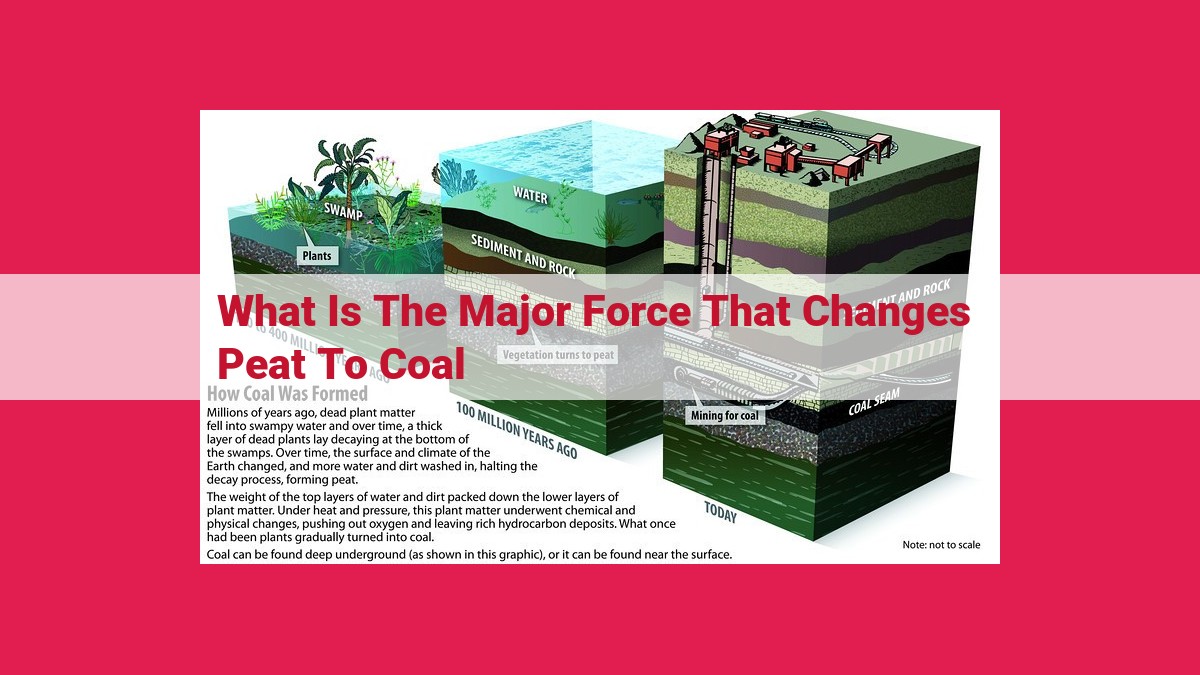
Okay, picture this: You're hiking through a spooky, misty bog. It's squishy underfoot, and that earthy smell is strong. You might even see some half-decomposed plant matter floating around. That, my friends, is peat. Now, imagine that same spot millions of years from now... but instead of squishy peat, you're chipping away at a chunk of shiny, black coal. What happened?! It's not fairy magic, that's for sure. (Although, wouldn't that be a cool explanation?)
Well, let's dive into the geological kitchen and uncover the recipe for turning peat into coal. The main ingredient? Pressure.
The Pressure Cooker of Time
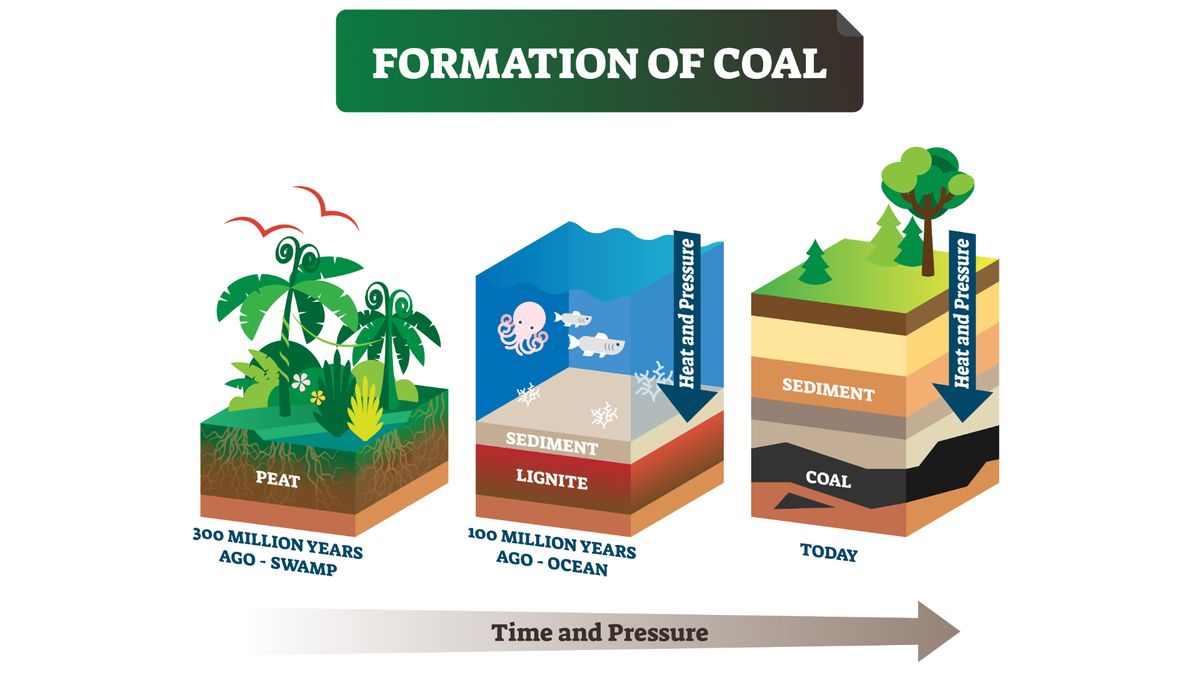
Seriously, folks, it all boils down to pressure. Think of it like this: you've got a bunch of organic stuff (mostly dead plants) that's been piling up for ages. This stuff gets buried under more and more sediment – sand, mud, other layers of dead plants – basically, anything and everything that gets dumped on top. Each layer adds weight, creating pressure. And over millions of years, that pressure just keeps building and building.
Must Read
Now, I know what you're thinking: "Okay, pressure, got it. But what does pressure do to the peat?" Great question! (See? You're already thinking like a geologist!)
Here's the deal: pressure squeezes out the water and other volatile compounds (like oxygen and hydrogen) from the peat. The more water and volatiles that are forced out, the higher the concentration of carbon becomes. Carbon is king!
From Peat to...Anthracite!
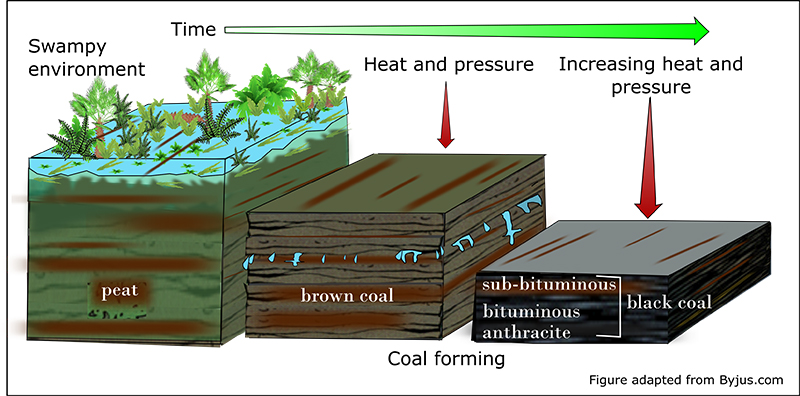
This whole process is like a geological metamorphosis, and it doesn't happen overnight. It’s a slow burn (pun intended!). We can roughly break down the transformation of peat into different ranks of coal, based on carbon content. Think of it as climbing a carbon ladder:
First, we start with our squishy friend, Peat. It's got the lowest carbon content and a high moisture content. Basically, it's still very much recognizable as dead plants.
Next up is Lignite, also known as brown coal. It's a bit more compressed and has a higher carbon content than peat. But you can still see some plant structures in it. It's a good, but still pretty inefficient, fuel source. (Think of it as the "starter" coal.)

Then we have Bituminous coal. This is the most common type of coal, used for electricity generation and steel production. It's got a higher carbon content than lignite and burns hotter. It’s the middle child of the coal family – reliable and hardworking.
And finally, we arrive at Anthracite. This is the top dog of the coal world! It's the hardest, most compressed, and has the highest carbon content of all. It burns cleanly with a blue flame and produces a lot of heat. Think of it as the premium, luxury coal! (If such a thing exists…)
But Wait, There's More! (It's Not Just Pressure)
Okay, so pressure is the major force, but it's not the only one. Temperature also plays a significant role. The deeper the peat is buried, the higher the temperature it experiences from the Earth's internal heat. This heat accelerates the chemical reactions that drive off the water and volatiles, further increasing the carbon content.
Think of it like baking a cake: you need the right temperature and the right amount of time for it to turn out perfectly. Too little heat, and it's a soggy mess. Too much, and it's burnt to a crisp. Same with coal formation – the right combination of pressure and temperature is key. (Geological baking… now there's a thought!)
So, the next time you see a lump of coal, remember the incredible journey it's been on – a journey of immense pressure, gentle heat, and millions of years. It's a testament to the power of geological processes and a reminder that even the squishiest of bogs can transform into something truly remarkable. You know, it is almost romantic.
