
What Is The Largest Source Of Oil In The Ocean
Ever spilled a little olive oil while making dinner? We've all been there! Maybe you're topping your salad, and whoosh, a little too much escapes the bottle. It's messy, right? Imagine that, but on a vastly, vastly larger scale... and it's happening all the time in our oceans.
But here's the twist: the biggest source of oil in the ocean isn't what you probably think it is. It's not massive tanker spills or dramatic pipeline bursts that make the headlines (though those are incredibly harmful). Nope, the champion spiller is… Mother Nature herself!
Natural Seeps: The Ocean's Steady Drip
What are we talking about? Natural seeps. Think of them as the ocean's own slow-leaking oil wells. Over millions of years, layers of organic matter have been buried deep underground, transforming into oil and gas. This oil doesn't always stay put. Sometimes, it finds cracks and fissures in the seabed, allowing it to slowly and steadily bubble up to the surface.
Must Read
These natural seeps are actually pretty common! They happen all over the world, from the Gulf of Mexico to the coast of California. They're like underwater springs, except instead of water, they're releasing tiny amounts of oil.
Think of it like this: you might accidentally drip some coffee on your desk every day. It's a small amount each time, barely noticeable. But over weeks, months, and years, those little drips add up, creating a much bigger stain than one giant coffee explosion would! That's how natural seeps work.
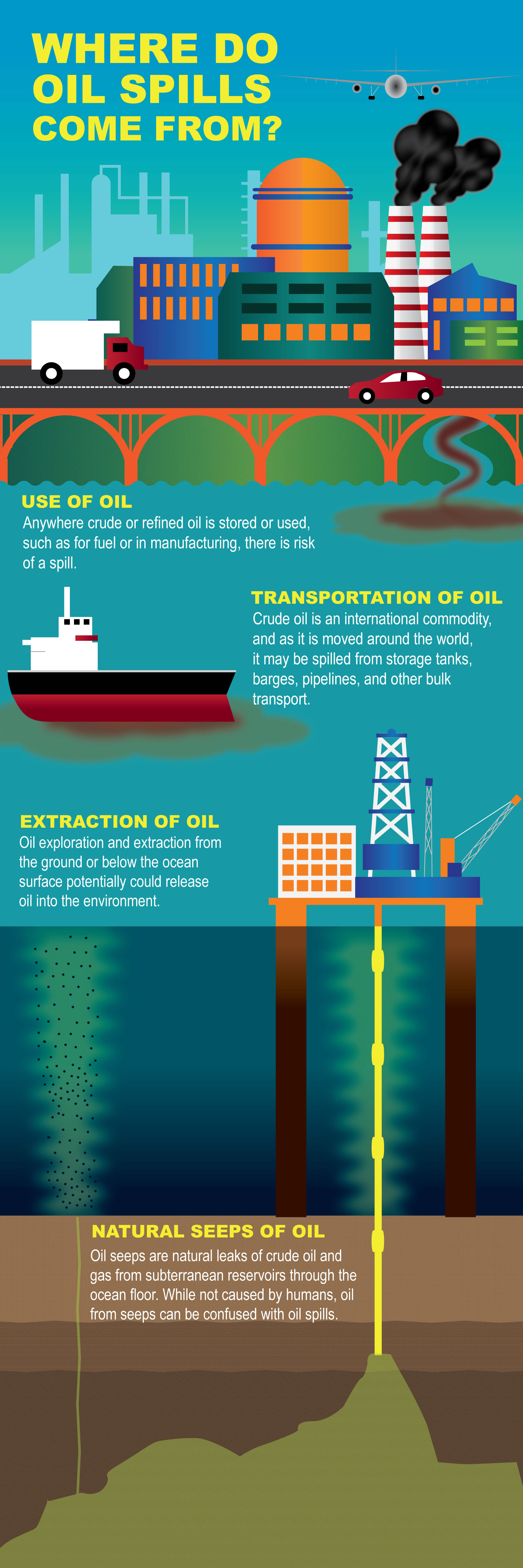
These seeps release an estimated 47% of all the oil entering the marine environment. That's nearly half. That's HUGE.
Why Should We Care About Oil in the Ocean (Even Natural Oil)?
Okay, so it's "natural." Does that mean it's no big deal? Unfortunately, not entirely. While some marine life has adapted to these natural seeps over millennia, large amounts of oil, even naturally occurring oil, can still have negative impacts.

Imagine your skin covered in sunscreen. That protects you from the sun, but a thick layer can make you uncomfortable. That's how oil affects many marine animals. It can coat their fur or feathers, making it difficult for them to regulate their body temperature. It can also damage their organs and disrupt their feeding habits.
Oil also impacts the ecosystem at large. It contaminates water, affects sensitive habitats, and disrupts the food chain. And while some bacteria naturally break down oil, this process can take time, especially for larger amounts of oil.
What About the Other Sources?
Okay, so natural seeps are the biggest source. But that doesn't mean we can ignore the other culprits!
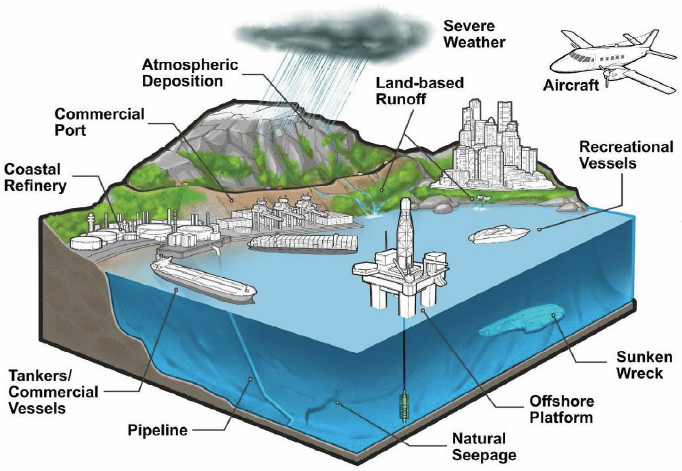
Remember those tanker spills and pipeline bursts we mentioned earlier? They might not be the biggest source overall, but they can cause immense local damage. Imagine a single overflowing bathtub versus a tiny leak in the faucet. The overflowing bathtub will cause immediate flooding, whereas the small drip will eventually cause damage over a longer period of time.
And then there's all the oil that comes from human activities: runoff from cities and farms, waste oil dumped down drains (please, please don't do that!), and even the oil that leaks from boats and ships. It all adds up. These are collectively known as anthropogenic sources.

So, What Can We Do?
Even though natural seeps are beyond our control, there are still plenty of ways we can help reduce the amount of oil entering the ocean:
- Be Mindful of Waste: Dispose of used motor oil properly. Don't pour it down the drain! Most auto shops will gladly take it for recycling.
- Support Sustainable Practices: Choose products and companies that are committed to reducing their environmental impact.
- Reduce Our Reliance on Oil: Explore alternative energy sources and use public transportation whenever possible. Even carpooling can help!
- Educate Others: Spread the word about the importance of protecting our oceans.
Think of it like your own kitchen. You can't stop the occasional spill, but you can clean up after yourself, be careful with the olive oil, and avoid causing any major messes. Small actions, multiplied across millions of people, can make a huge difference.
Our oceans are precious. They're home to incredible biodiversity, they regulate our climate, and they provide us with food and resources. By understanding the sources of oil pollution and taking steps to reduce our impact, we can help protect these vital ecosystems for future generations. Let's all do our part to keep our oceans clean and healthy, for ourselves, and for the incredible creatures that call them home!