What Is The Impact Of Solar Energy On The Environment
Okay, picture this: the Earth, wearing a giant sunhat. Sounds silly, right? But that's kind of what solar energy is all about – using the sun's rays to power our lives. And the impact? Well, it's like giving the planet a massive high-five, a collective sigh of relief, and maybe even a little dance party. Seriously!
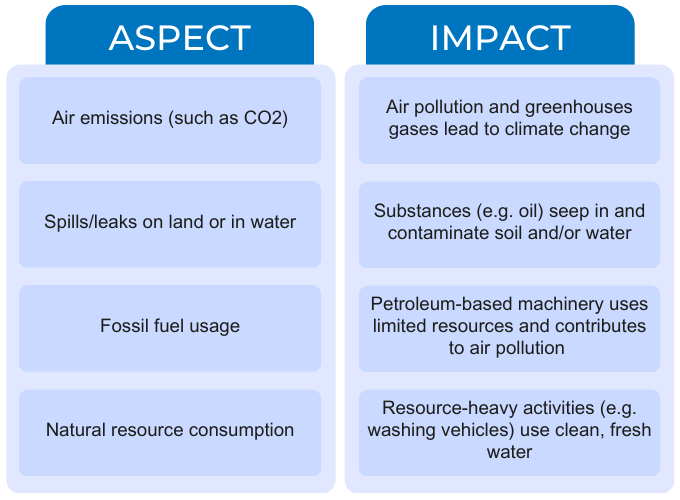
Let's face it, our planet's been feeling a little under the weather lately. All those fossil fuels (coal, oil, gas) we've been burning? They're like that friend who always brings drama to the party. They release a ton of greenhouse gases – like carbon dioxide – that trap heat and warm the planet, causing all sorts of problems like melting glaciers and grumpy polar bears. Solar energy, on the other hand, is the cool, calm, and collected friend who brings the good vibes (and delicious snacks) to the party. It’s a renewable resource, meaning we’re not using it up faster than it can be replenished. Think of it as an endless supply of sunshine, free for the taking (with a little help from some clever technology, of course).
Bye-Bye, Air Pollution! (Mostly)
One of the biggest wins for solar is cleaner air. Remember those belching smokestacks from power plants? Solar farms don't do that. They silently soak up the sun's rays and convert them into electricity, without releasing all those nasty pollutants that make your lungs feel like they've run a marathon. This means fewer asthma attacks, healthier communities, and a planet that can actually breathe a little easier. Isn't that a breath of fresh air (pun intended!)?
Must Read
Of course, it's not completely perfect. Making those solar panels does require some energy and resources. But compared to the entire lifecycle of fossil fuels – digging them up, transporting them, burning them – solar is a significantly cleaner option. It’s like choosing a salad over a deep-fried burger. Both give you energy, but one is much better for you in the long run.
Land Use: A Sunny Side to Consider
Now, about those solar farms... they do need space. A big ol' field full of shiny panels can take up quite a bit of land. But here's the thing: that land can often be used for other things too! Some solar farms are designed to allow sheep to graze among the panels (solar-powered lawnmowers, anyone?). Others are planting wildflowers to attract bees and butterflies, turning solar farms into buzzing, blooming havens for pollinators. It’s like a power plant and a nature reserve all rolled into one!
And let's not forget about rooftop solar! Slapping panels on your roof is like giving your house a superpower. You're generating your own clean energy, reducing your reliance on the grid (and those pesky electricity bills!), and contributing to a greener planet, all without taking up any extra land. Plus, it looks kinda cool, right? Like your house is ready for the future.
Water Wise and Wonderful
Traditional power plants use a ton of water for cooling. We're talking Olympic swimming pools worth of water! Solar power, especially solar photovoltaic (PV) panels, uses very little water. In some cases, none at all! That means more water for drinking, for agriculture, and for those adorable otters that everyone loves. Saving water is a big deal, especially in areas that are already facing water shortages. Solar is like the considerate guest who doesn't hog the shower.

Bottom line: solar energy is a game-changer. It's not a magic bullet – no energy source is completely without its challenges – but it's a huge step in the right direction. By embracing solar, we're not just powering our homes and businesses; we're investing in a healthier, cleaner, and more sustainable future for ourselves and for generations to come. So next time you see a solar panel, give it a little nod of appreciation. It's working hard to keep our planet smiling.
And who knows, maybe one day we'll all be rocking those Earth-sized sunhats. Okay, maybe not. But a girl can dream!