What Is The Highest Category Of A Hurricane
Ever wondered what Mother Nature’s ultimate mic drop looks like? For many, it's the raw power and sheer scale of a hurricane. We're fascinated by these swirling behemoths, from disaster movies showcasing their destructive potential to dedicated scientists meticulously tracking their every move. But beyond the drama and the data, understanding hurricane categories can be surprisingly… empowering? Yes, even creative!
For artists, hobbyists, and even casual learners, grasping the Saffir-Simpson Hurricane Wind Scale – the system that defines hurricane categories – offers a fascinating lens through which to view the world. Understanding the scale, from a Category 1's relatively gentle winds to a Category 5's potentially catastrophic force, can spark inspiration. Think of it:
- Artists: Imagine painting a swirling abstract piece representing the chaotic energy of a Category 4 hurricane. Or sculpting a fragile coral reef, highlighting its vulnerability to even a Category 1 storm. You could explore color palettes that evoke specific categories: muted blues and greens for lower categories, shifting to intense reds and oranges as the scale climbs.
- Hobbyists: Perhaps you're a model builder. Creating dioramas depicting the effects of different hurricane categories on coastal towns could be a challenging and educational project. You could research the types of damage associated with each category and meticulously recreate them.
- Casual Learners: Simply knowing the difference between a Category 3 and a Category 5 hurricane allows you to engage more meaningfully with news reports and discussions about weather events. You can better understand the potential impact on communities and appreciate the crucial role of preparedness.
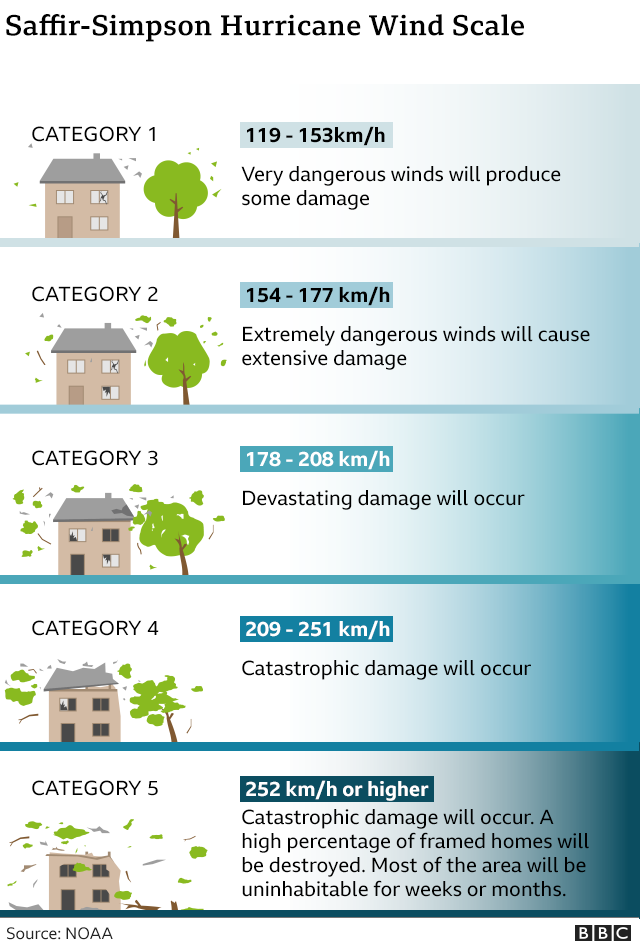
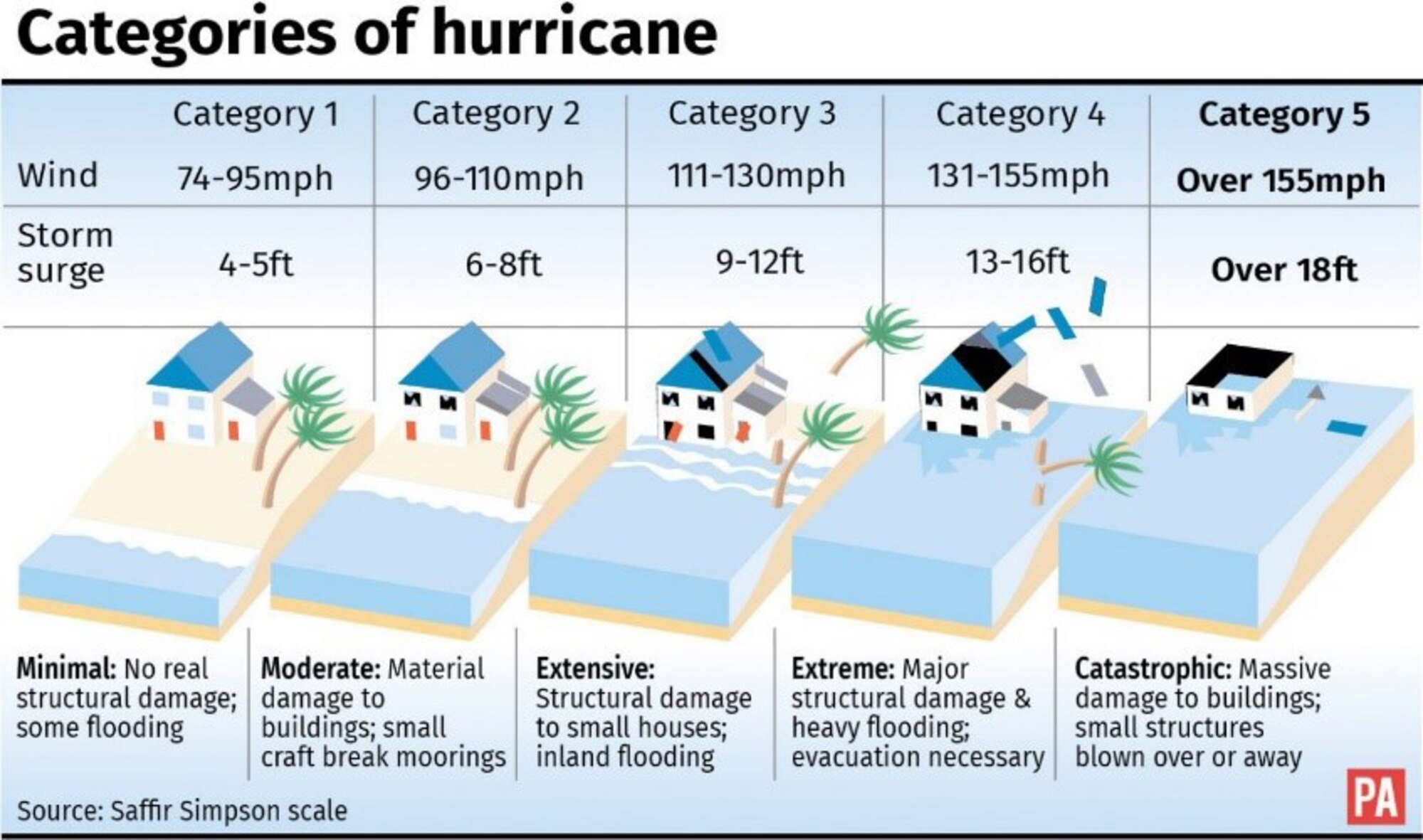
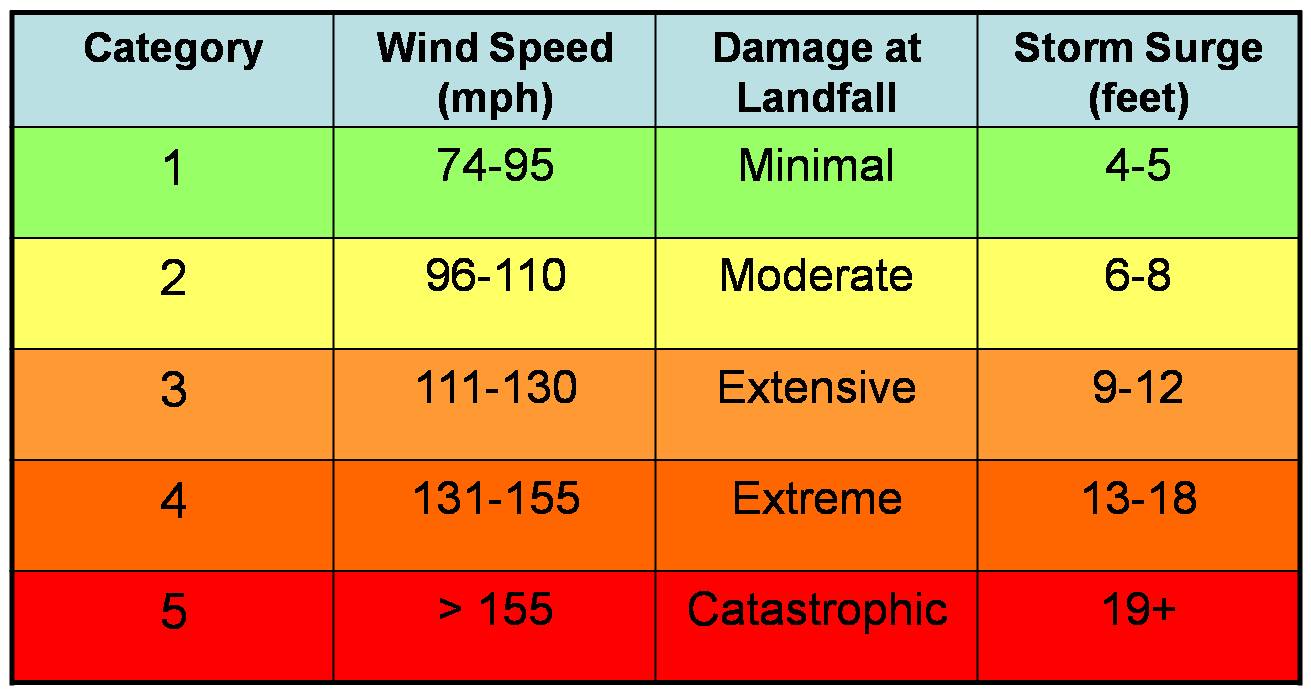
Let's dive a bit deeper. The scale ranges from Category 1 to Category 5, based solely on sustained wind speed. A Category 1 hurricane, with winds between 74-95 mph, can still cause damage, like downed trees and power outages. A Category 3, with winds between 111-129 mph, is considered a major hurricane, capable of causing significant structural damage. And then there's the ultimate: a Category 5 hurricane. These titans boast sustained winds of 157 mph or higher and can cause catastrophic damage – think complete roof failure, devastation of coastal areas, and long-term power outages.
Must Read
Want to explore this at home? Here are a few ideas:
- Research & Reflection: Read about past hurricanes and their impact. Reflect on how different communities coped with the devastation. What lessons were learned? How can we build more resilient communities?
- Creative Writing: Write a short story from the perspective of someone experiencing a hurricane of a particular category. Focus on the sights, sounds, and emotions.
- Visual Representation: Create a visual representation of the Saffir-Simpson scale. Use colors, symbols, and imagery to illustrate the different categories and their potential impacts.
Ultimately, exploring the concept of the highest hurricane category – the awe-inspiring, and frankly terrifying, Category 5 – is about more than just memorizing wind speeds. It’s about understanding the power of nature, appreciating the resilience of communities, and sparking your own creative journey. It’s a reminder of our place in the world and the importance of respecting the forces that shape it. So go ahead, let the power of the storm inspire you! Who knows what you might create?
![Understanding Hurricane Categories [+ Preparation List]](https://www.alertmedia.com/wp-content/uploads/2019/05/hurricane-categories.jpg)